Woven with Brown Thread – Book Recommendation

African Literature has been a phenomenon since Chinua Achebe graced the world with the famous trilogy that encompasses Things Fall Apart, No Longer at Ease and Arrow of God. Usually, themes of Colonialism, Liberation, Nationalism, Tradition, Displacement and Rootlessness are the ones mostly explored. It is 2022, we have a plethora of authors, novelists and poets who have since explored a myriad of themes that are based on African culture, the society and what it entails.

Written By Diile Neenah Molapo

African Literature has been a phenomenon since Chinua Achebe graced the world with the famous trilogy that encompasses Things Fall Apart, No Longer at Ease and Arrow of God. Usually, themes of Colonialism, Liberation, Nationalism, Tradition, Displacement and Rootlessness are the ones mostly explored. It is 2022, we have a plethora of authors, novelists and poets who have since explored a myriad of themes that are based on African culture, the society and what it entails.

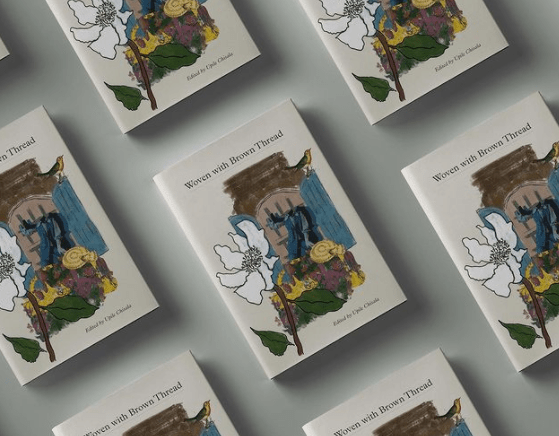
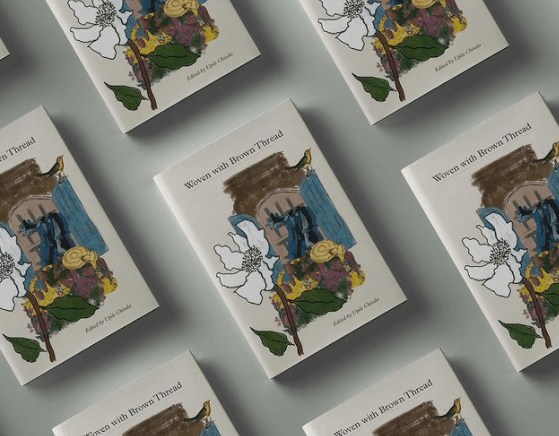
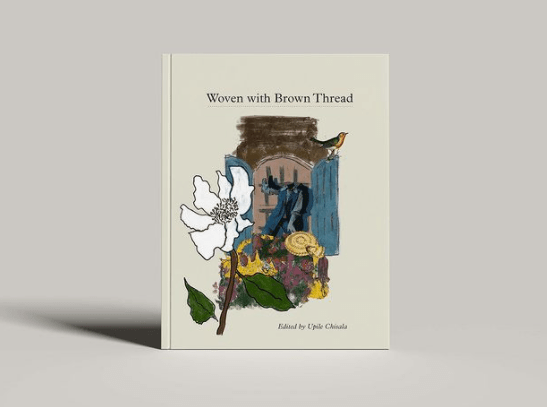
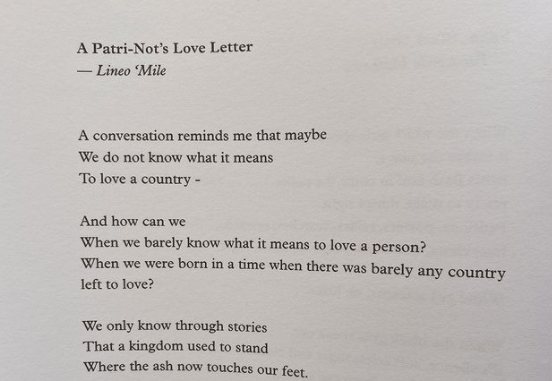
Woven with Brown Thread is book of poems compiled, edited and curated by Upile Chisala. Upile is a storyteller, sociologist and activist from Malawi. She is the author of two books of poetry and this was all before Woven with Brown Thread came into being.

An outstanding trait from her biography is that she hopes to tell stories from the margins and through her work help others and herself come to terms with pasts, celebrate presents and confidently dream beautiful futures, which is what we believe this book of poetry represents.

Houses, Lands; for selling books on the street

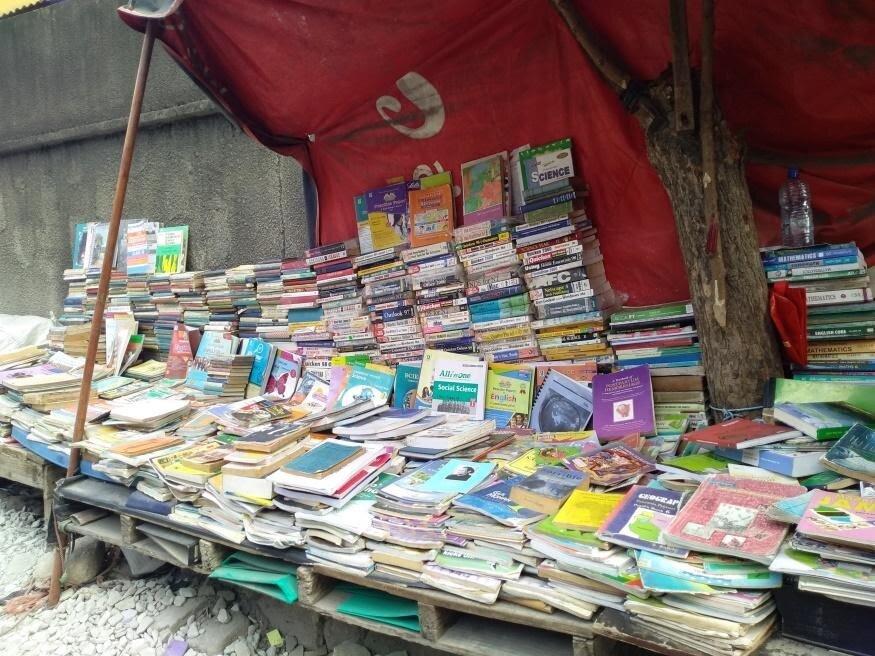
Thieves can steal everything in Dar es Salaam city but books. Apparently these could be the only properties that are left outside with no security guard because no one wants to read, people want real tangible materials.
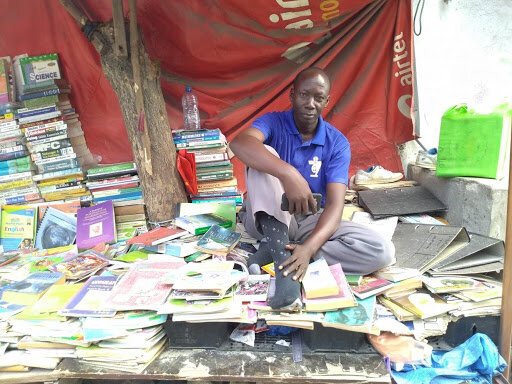
Jumanne Issa is a books seller for over 19 years whose inspiration comes from the Madrasa teachings.

Thieves can steal everything in Dar es Salaam city but books. Apparently these could be the only properties that are left outside with no security guard because no one wants to read, people want real tangible materials.

Jumanne Issa is a books seller for over 19 years whose inspiration comes from the Madrasa teachings.

Background…

The most common story that human beings share is that; each one of us has someone or something that inspires us apart from education. What education does normally is to introduce a discipline in order to remain focused, although in many cases the inspiration changes depends on the circumstances of life. But to Jumanne the story is different because his own inspiration comes from knowledge itself. Being raised in seeking knowledge environment; after completing his Ordinary Level (O-Level) certificate in 90’s, Jumanne desired to pursue the Islamic religious studies. With the financial support from his Indian friend Imran, Jumanne traveled to Kibera village located in Nairobi, Kenya where he spent 2 years learning his religion.

“From 1990 to 1997; I continued with my studies at Markazi Islamic Chang’ombe here in Tanzania right away after my return. Sheikh Al had Salum was my classmate. I was so much obsessed by seeking knowledge…still am” Said Jumanne.

Enjoying the wisdom from the knowledge he received, Jumanne thought of a better platform of which he could share it to others, then business clicked his mind. He started selling religious books in different mosques in Dar es Salaam before directing his market to the rural areas where the demand was high.

He said; “I have been to all regions in Tanzania mainland except Lindi and Mtwara, selling books for 3 years. I met different classes of people and learn so many things. At that time people had discipline in seeking knowledge, because there was no smart phones’ destruction and there was only one bookshop in Dar es Salaam, REMS”. Explained Jumanne. However in 2000, he decided to switch the business from religious books to selling all sorts of books.

Why did you switch the market?

“Starting 2000, there was a tremendously opening of new schools where the huge number of people especially students were influenced to read. I had a great customer base because these are not specific books…Lawyers, teachers, Journalists and all public and private servants would pass by here and get the books of their genre to rectify their knowledge. Buying a book was the only option to learn and having the full access to whatever the information that someone may want. People would go and comeback to share the feedback and recommend others to come.

Achievement

At this spot alone (referring to his stall at Kisutu street), it marks 19 years today, excluding the years of selling the religious books. I was able to buy lands, build houses and take my children to proper schools. I met thousands of people and created a beneficial network, just by sitting here.

Jumanne said he orders a van of about 300 books at 500,000/- which takes up to 3 months to finish.


On the contrary about 9 years later; the readership started to lessen because people were introduced to technology. People especially youths, developed an interest of reading online where they could get any type of books. 

“I don’t deny the fact that life is made easy but it came with the baggage of destruction too. Reading a hard copy and soft copy is not similar. If you ask the internet to give you one motivational book, it gives you 10 extra information that you don’t real need”. Jumanne emphasized.

So currently my customers are adults whose age range from 45 years and above; whom despite of economy fluctuation and the internet boom, are still keeping up

By Khadija Amri

A GREENER FUTURE FOR TANZANIA

Green Innovation in Tanzania: Abdul and Athumani Pioneer Bioplastics for a Sustainable Future

In the vibrant city of Dar-Es-Salaam, two visionary young entrepreneurs, Abdul Mabada and Athumani Kinyomi, both fresh graduates from a local college, are poised to revolutionize the business landscape with their innovative approach to plastic waste management. Their journey not only holds the promise of environmental sustainability but also opens up exciting opportunities for savvy business investors and aspiring entrepreneurs.

A Dual Endeavor for a Circular Tomorrow

Abdul and Athumani, driven by a shared passion for sustainability, embarked on a mission to address the pressing issue of plastic waste that plagues their city and the entire nation of Tanzania. These enterprising minds, hailing from the same college, are now collaborating to bring their innovative solutions to life.

Abdul’s PLA

Green Innovation in Tanzania: Abdul and Athumani Pioneer Bioplastics for a Sustainable Future

In the vibrant city of Dar-Es-Salaam, two visionary young entrepreneurs, Abdul Mabada and Athumani Kinyomi, both fresh graduates from a local college, are poised to revolutionize the business landscape with their innovative approach to plastic waste management. Their journey not only holds the promise of environmental sustainability but also opens up exciting opportunities for savvy business investors and aspiring entrepreneurs.

A Dual Endeavor for a Circular Tomorrow

Abdul and Athumani, driven by a shared passion for sustainability, embarked on a mission to address the pressing issue of plastic waste that plagues their city and the entire nation of Tanzania. These enterprising minds, hailing from the same college, are now collaborating to bring their innovative solutions to life.

Abdul’s PLA Bioplastic Revolution

Abdul, with his pioneering spirit, set out to explore the potential of Polylactic Acid (PLA) bioplastics. He recognized that Tanzania possesses a wealth of starch-based food waste, including cassava and maize, which often goes unused. This waste, when converted into PLA bioplastic, not only offers a sustainable alternative to traditional plastics but also opens doors for profitable ventures. PLA, being biodegradable and carbon-neutral, aligns perfectly with the global push for eco-friendly products.

Athumani’s Vision with PHA Bioplastic

Athumani, Abdul’s innovative partner, brings another dimension to their venture. Inspired by Abdul’s work, he delved into the world of Polyhydroxyalkanoates (PHA) bioplastics, which are produced from microorganisms. Athumani sees the potential to transform solid human waste and water waste into valuable resources, paving the way for innovative and regenerative use cases.

Navigating Challenges with Entrepreneurial Grit

The entrepreneurial journey is not without its challenges, and Abdul and Athumani face them head-on. The duo grapples with the need for advanced technology and infrastructure to produce bioplastics at scale. To realize their vision of creating clearer, more efficient bioplastic products, they require substantial investment in machinery and a dedicated production facility.

Investment Opportunities for Business Pioneers

For business-minded individuals and entrepreneurs, Abdul and Athumani’s venture offers an enticing opportunity. Their innovation aligns perfectly with the global trend towards sustainable and eco-friendly products. Investing in this green revolution not only supports a worthy cause but also has the potential for significant returns.

Renewable Energy for Sustainable Production

Both Abdul and Athumani emphasize the importance of renewable energy sources for powering their production facility. This commitment to sustainability not only reduces environmental impact but also enhances the project’s appeal to socially responsible investors.

A Sustainable Solution with Profound Impact

The impact of Abdul and Athumani’s initiative extends beyond the balance sheet. With Tanzania facing critical waste management challenges and overflowing landfills, their innovation could be the catalyst for transforming waste into a valuable resource. By supporting their project, investors have the opportunity to make a lasting difference in the Tanzanian community.

In conclusion, Abdul and Athumani, the dynamic duo from Dar-es-Salaam, represent the future of green innovation in Tanzania. Their entrepreneurial spirit, combined with their commitment to sustainability, presents an exciting proposition for investors and business pioneers looking to make a positive impact on both the environment and the bottom line. As they forge ahead with their journey, Abdul and Athumani are not just transforming waste into bioplastics; they are paving the way for a more sustainable and prosperous future.

Written by Simalike W. Musika

A CREATOR ABODE: PULCHRA MEDIA

There are not many platforms that are available for micro and nano influencers, creators or artists in general. Platforms that encourage, support and celebrate creativity in Africa. Our artists aspire and work tirelessly to be acknowledged and celebrated in foreign lands, which should not be the case, not when we have the resources in our backyard. Pulchra Media is a small scale website and movement that was created to remedy just that. A problem that the Pulchra team realized exists, and quite frankly, could be easily solved.

 Introducing Pulchra Media…A Creator’s Abode

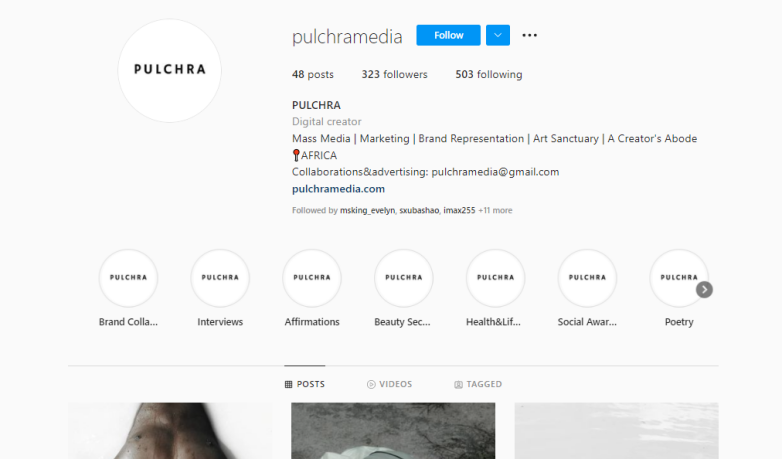
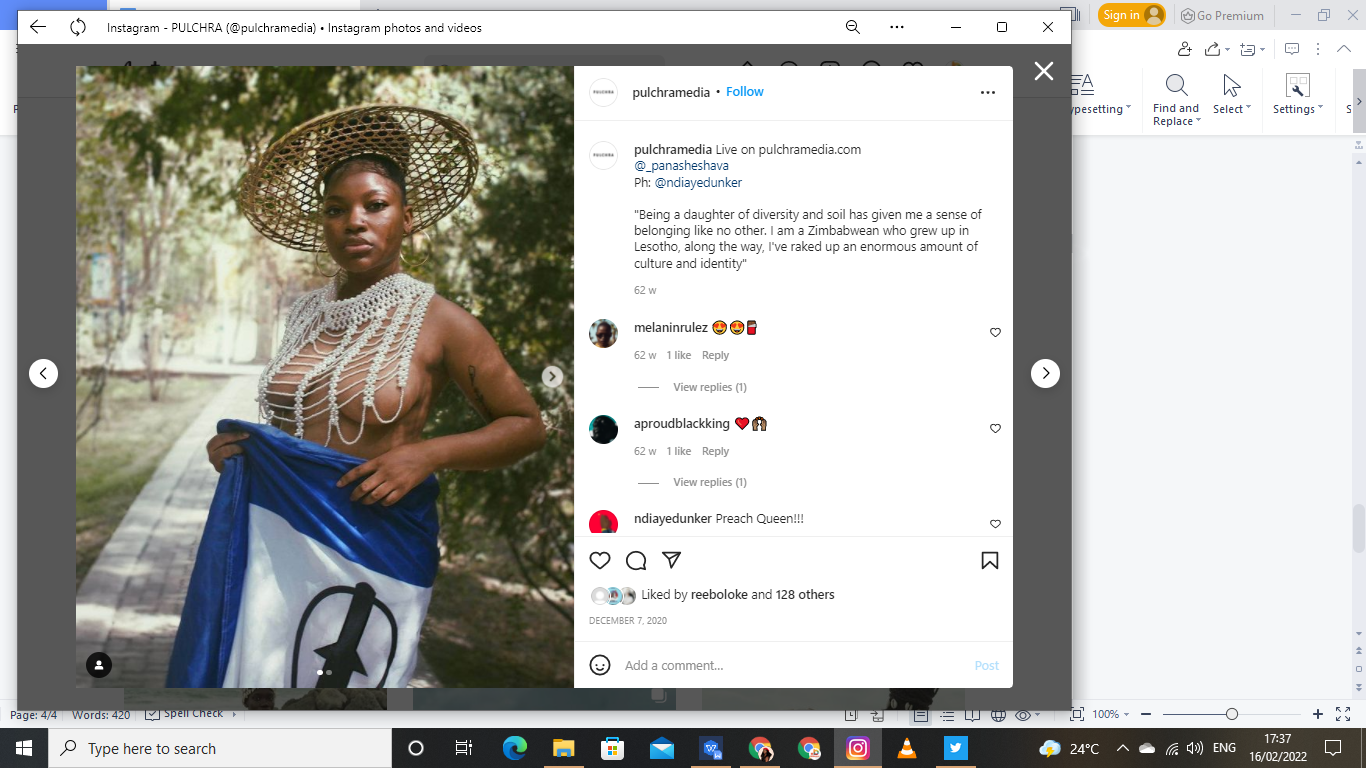
 PULCHRA is a black owned media company and platform that intends to produce content celebrating young, innovative artists and visionaries on a digital platform. This media company fully utilizes this generations favourite tool; social media, to show case brilliance that has been captured and is yet to be captured on a global scale. More than anything, the aim is to invoke healthy and meaningful conversations surrounding the beauty and uniqueness of art that is created by niche and micro creators who are not celebrated enough. 

 The Pulchra team is spearheaded by 4 individuals from all around the continent. 

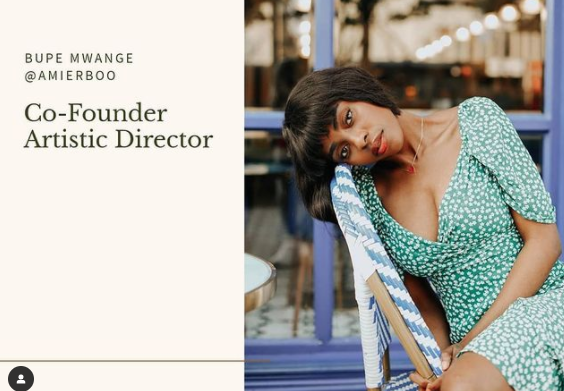
 All the way from Zambia, Bupe Mwange is the Co-Founder and Creative Director of the Pulchra platform. Bupe has proven to be passionate about fashion, which plays an enormous role for the  Pulchra entity.

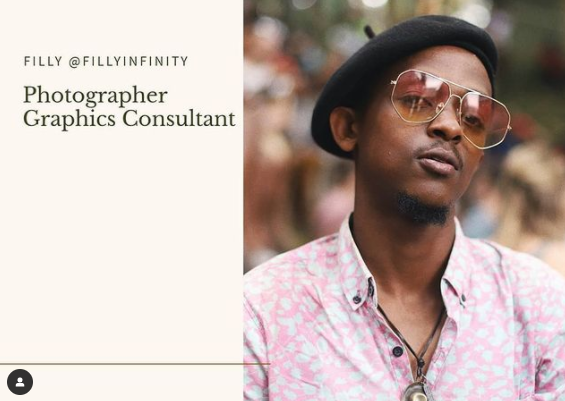
 Tanzanian photographer , Filly, plays the role of Graphics Consultant. Filly has a very successful photography portfolio having shot festivals, events and cultural embodiments of art. Having such a diverse portfolio is crucial for Pulchra.

 Also Tanzanian , is Ibrahim, the entity’s PR Consultant, based all the way in Maryland, USA. With a vast amount of connections, Ibrahim is solely in charge of client networking and brand growth for the platform.

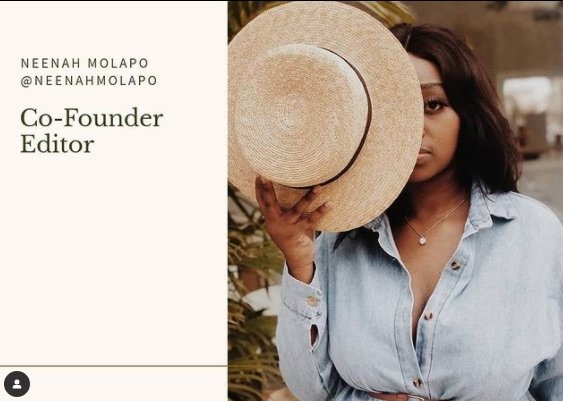
 Also part of the team, is Co-Founder and Editor, Neenah Molapo, all the way from Lesotho. Over the years, she developed a passion for art and digital media and saw to it that a project that embodies all these aspects must be established.

With a clear vision behind Pulchra , they say they hope to take every single one of the members of their audience on a journey of giving every creator their flowers while they can still receive them. “It is more than a promotional activity, but more of a convenient resource and platform that users can turn to for information, education and familiarization of any kind.”

The name PULCHRA has been derived from the word pulchritudinous, which directly means beautiful. Every piece of art, every creation, every item that will be shared on the platform represents just that-beauty. Beauty with substance, beauty that educates, beauty that encourages interactions and beauty that merges and brings us together.

Written By Diile Neenah Molapo