
A Recap Of The “Block Chain In Dar Event” Unraveling the Mysteries of Block chain

Block chain technology, often described as a digital ledger that records transactions across multiple computers in a secure and transparent manner, took center stage on the 13th of this month in Dar Es Salaam, Tanzania. Hosted by Buni Hub and Almaze Media, the “Block chain in Dar” event wasn’t just another conference; it was a one-of-a-kind experience that left attendees in awe and inspired to delve deeper into its vast potential.

The event kicked off with a diverse agenda, each segment carefully curated to provide attendees with a comprehensive understanding of blockchain and its myriad applications. From discussions on blockchain for payment and financial inclusion to exploring career opportunities in this
burgeoning field, the lineup of speakers was nothing short of impressive.
Winstone Mjule, CEO of Nova, shed light on how blockchain can revolutionize payment systems, particularly in promoting financial inclusion among underserved communities. Aurelio Mofuga, BD associate at Umoja Labs, highlighted the abundant opportunities for builders in Africa’s blockchain ecosystem, emphasizing the importance of support and collaboration. Simalike Musika, founder of CHATAFISHA, delved into the concept of regenerative finance, showcasing how blockchain can contribute to sustainability and the integration of new technologies in the verification of impact. Justine Mahinyila, founder of Ufumbuzi Labs, opened
doors to exciting career prospects in blockchain, encouraging aspiring enthusiasts to seize the countless opportunities awaiting them.
Despite the regulatory challenges, Fayaz Valli, founder of GetCore Group Ltd, emphasized the vast potential of blockchain technologies and the need for innovative solutions to overcome regulatory hurdles. His insights provided a refreshing perspective on navigating the complex landscape of blockchain regulation.

The highlight of the event was undoubtedly the speed hackathon, where participants embarked on a journey to create their first decentralized application (dApp). Prior to the event, web2 developers received an introduction to blockchain and Solidity, the programming language of smart contracts. During the hackathon, ideas flowed freely as participants brainstormed and collaborated to bring their visions to life. The excitement didn’t end there. The speed hackathon continued for a week after the event, with participants vying for the coveted prize pool of $500. The winners were announced the following Friday, showcasing the remarkable progress made in such a short span of time. As the event drew to a close, attendees gathered for a lively cocktail and networking session, forging new connections and fostering synergies within the crypto community. It was a perfect finale to an extraordinary day filled with learning, innovation, and camaraderie. In retrospect, the “Blockchain in Dar” event was not just successful; it was a testament to the immense potential of blockchain technology and the collective efforts of passionate individuals driving its adoption forward. As we look to the future, one thing is certain: the blockchain revolution has only just begun, and the possibilities are limitless.

By Simalike Musika

Exploring Identity and Culture: Vanessa Mwingira’s‘Brothas and Locs’ Photography Exhibition.

Dreadlocks, often referred to simply as ‘locs,’ are more than just a hairstyle to some people; they are a powerful form of self-expression and cultural identity. With this in mind, photographer Vanessa Mwingira presents a visual narrative of work which she was working on recently while doing her residency at Nafasi Art Space. Featuring seven works displaying men with locs, Brothas and locs, shows the relationship between individuals and their locs. Vanessa famously known as Punkandblack in her socials said in her statement that she invites the audience to see beyond the surface and discover the rich stories and identities that lie within each portrait.

“Through this ongoing project, I aim to amplify the stories of those whose hair is a defining element of their identity”; she wrote this in her statement explaining why she chose this specific subject. I asked why she chose men and not women with locs and she said, “I have worked with a lot of women so I decided to include men this time around in my work to show some diversity”. With the beautiful photographs that she exhibited, I can say with confidence that this project is among the best of her works. 

While in university in 2015, Vanessa fell in love with photography but her journey as a professional photographer began in 2016, driven by a desire to express her views of the world and the need to celebrate diversity. From the beginning, her work has been characterized by a commitment to portraying people of color authentically and compassionately. Through her lens, she captures identity, culture and the strength of her characters offering viewers beauty from her point of view. 

In the world of photography, we see many different types of artists that capture and share their stories that affects deeply with the audience. Vanessa Mwingira stands tall among these visionaries; her lens focused not just on subjects, but on stories particularly those of people of color. Established in editorial, portrait and documentary photography, Vanessa has forged herself a place in the world of photography by elevating the voices and experiences of her community through her captivating images.

Vanessa is driven by a desire to challenge conventional narratives and celebrate diversity. From the outset, her work has been characterized by a commitment to portraying people of color authentically and compassionately. Through her lens, she captures the nuances of identity, culture, and resilience, offering viewers a glimpse into the rich tapestry of human experience.

Over the years, Vanessa’s talent and dedication has attracted attention from individuals and different organizations and companies. Some of them are such as CARE international, Endelea fashion brand, International Finance Corporation and Annabelle Magazine. She has also worked with many private individuals from models to family portraits. On top of that, some of her work has been featured in publications such as VSCO, AFROPUNK and teen vogue to name a few securing her reputation as a force to be reckoned with in the world of photography.

C:\Users\honey\Downloads\_MG_8276.jpg

With all her achievements, Vanessa has still been able to engage herself in different communities that share her vision and passion of what she does with photography. Such communities are African Women in Photography, the African Photojournalism Database and Everyday Africa where she actively collaborates and learns from fellow artists. Through these communities she has been able to share her visions with others who want to know more about different matters in her photography work.

The exhibition, Brothas and Locs has not seen its end. Another second edition of photos will come later on in the upcoming months. “Since this time around I used a backdrop for my photos, that I made by myself by the way, the next photos I still haven’t figured out if I will use the same method or not”, said Vanessa when asked about what is next for her. 

Vanessa’s journey as a photographer is really amazing and that she gets to share her experiences with the world is a gift itself. As she continues to capture more stories with her lens, we as the viewers continue to learn and know more about our community. She is an example of female photographers who set their minds on something and go for it until it works out.

By Edna

Conquering Kilimanjaro: A Journey to the roof of Africa

Nestled in the heart of East Africa, Tanzania is a land of stunning landscapes and

diverse cultures. One of its most iconic landmarks is Mount Kilimanjaro, the highest

peak in Africa and the tallest freestanding mountain in the world. Climbing Kilimanjaro is

a bucket-list adventure for many, offering a challenging yet rewarding experience that

showcases the natural beauty of Tanzania.

The Adventure Begins

For those seeking a taste of adventure and a glimpse into the natural wonders of

Tanzania, climbing Mount Kilimanjaro is an experience like no other. The journey begins

in the town of Moshi, located at the foothills of the mountain. Here, climbers gather their

gear, meet their guides, and prepare for the trek ahead.

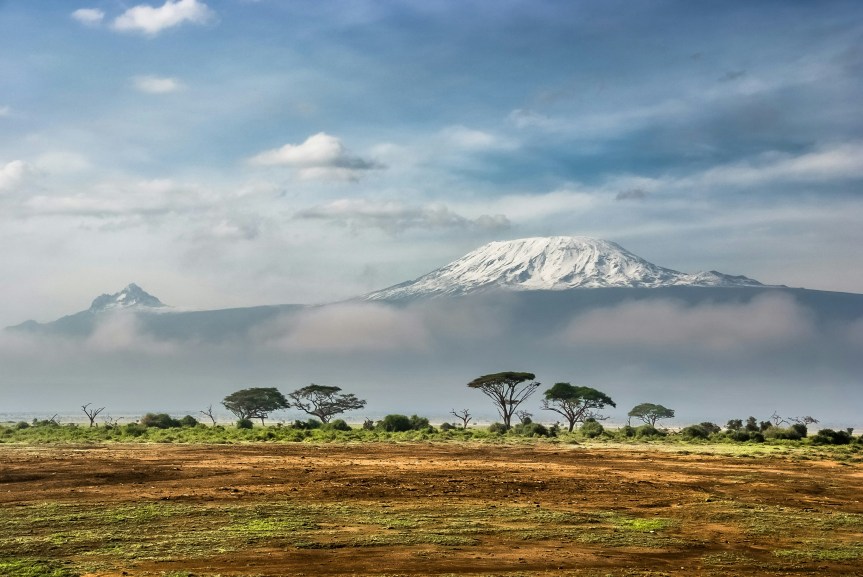
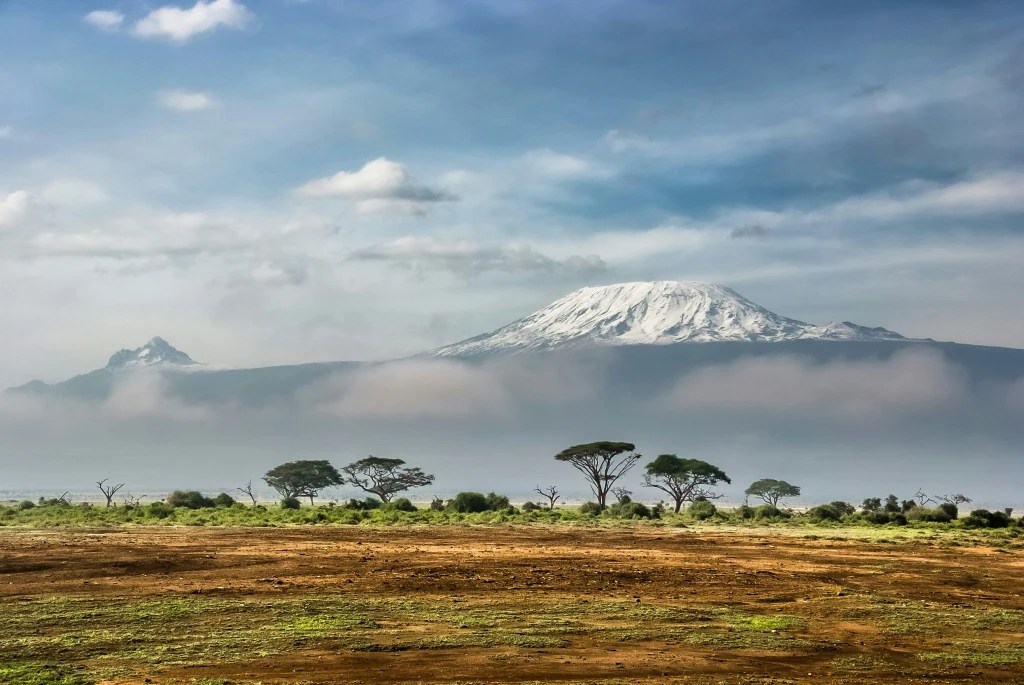
mount kilimanjaro

The Route to the Summit

There are several routes to choose from when climbing Kilimanjaro, each offering its

own unique challenges and scenic views. The most popular route is the Marangu

Route, known as the "Coca-Cola Route" due to the availability of soft drinks along the

way. This route is favored for its relatively gentle slopes and comfortable sleeping huts.

Another popular route is the Machame Route, also known as the "Whiskey Route" for its

more challenging terrain. This route is known for its stunning scenery, including lush

rainforests, alpine meadows, and dramatic landscapes.

A Test of Endurance

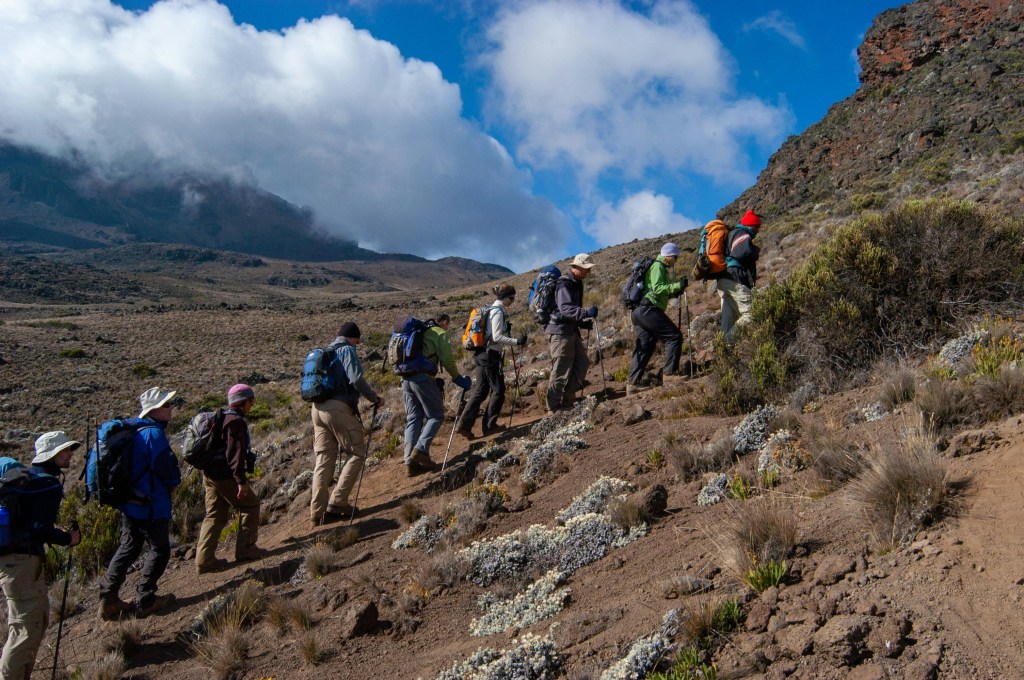
Climbing Mount Kilimanjaro is a test of physical and mental endurance, requiring

climbers to acclimatize to the altitude as they ascend. The higher you climb, the thinner

the air becomes, making each step more challenging than the last. However, with the

help of experienced guides and a slow and steady pace, most climbers can reach the

summit successfully.

A View from the Top

Reaching the summit of Mount Kilimanjaro is an unforgettable experience. Standing at

Uhuru Peak, the highest point on the mountain, climbers are rewarded with panoramic

views of the surrounding plains and distant peaks. The sense of accomplishment and

awe-inspiring beauty of the landscape make the journey to the top well worth the effort.

Words from Those Who Have Conquered Kilimanjaro

"I have climbed Mount Kilimanjaro twice, and each time has been a truly transformative

experience. The beauty of the mountain and the warmth of the Tanzanian people make

it a journey I will never forget." – Sarah, United States

"Reaching the summit of Kilimanjaro was one of the most challenging and rewarding

experiences of my life. The sense of accomplishment and the stunning views made

every step of the journey worth it." – Filbert, Tanzania

Conclusion

Climbing Mount Kilimanjaro is not just a physical challenge; it is a journey of self-

discovery and a chance to experience the beauty of Tanzania in a unique way. Whether

you are an experienced climber or a novice adventurer, Kilimanjaro offers an

unforgettable experience that will stay with you long after you have descended from its

snowy peak. So, lace up your boots, pack your sense of adventure, and embark on a

journey to the roof of Africa.

By Vanessa Mwingira

Simple Habits You Want To Adopt To Be Successful

New Years resolutions are the best explanation to the great question of why its so hard to change a behavior. Before the clock struck midnight on Dec. 31 every year millions of people around the globe list down their New Year’s resolutions hoping to archive them but for the most people its just like the year before, nothing really changes. 

The only difference between people who stick to their new habits and those who don’t, is that the former looks for reasons why they failed previously and avoid to do common mistakes. 

I’ll give you simple tips that can help you make progress with most of the goals you have, 

Don’t try to Change Everything at Once 

At the start of a new year, we experience an intense rush of excitement and motivation to change our lives for the better, and begin to pursue many goals, The problem is often we fail to recognize that this newfound motivation is an artificial high that’ll only last for a few 

weeks, once its gone we lose focus and eventually give up. You should focus on changing a very small number of habits at the same time or Pick one thing and do it well. 

Don’t make a backup plan (just yet) 

I red somewhere that “You might want to wait until you have done everything you can to achieve your primary goal first” or on the other word don’t make a backup plan, just yet. 

Having a backup plan undermines your likelihood of success. Even by putting a little effort into thinking about alternatives makes you work less hard to achieve your goal. Research from the Wisconsin School of Business at the University of Wisconsin-Madison backs this up. 

What I’m trying to say is You need to always act as if failure is not an option, If you prepare for failure, you may be more likely to fail. I’m not suggesting that you always avoid making backup plans. But maybe you could hold off on doing so until you’ve put as much effort as possible into your primary goal. 

Starting With a Habit That is Too Big 

Have you thought about the relationship of big thinking to success? Did something work out better when you started smaller? You know the answers, The bigger a project seems, the less likely you are to do it because it seems like too much effort. So if you really want to form better habits start really, really small–one pushup at a time. 

Success doesn’t happen in an instant. It happens through the progression of lots of little successes, strung together over time. 

Failure to change environment 

We often rely completely on willpower to stick to habit change, but in practice that rarely works. Much better is changing the environment around you. 

In one study conducted on “habits vs. intentions,” researchers found that students who transferred to another university were the most likely to change their daily habits. They also found those habits easier to change than the control group because they weren’t exposed to familiar external cues. 

The Rule of Never Miss Twice 

Look, you WILL mess up and slip on your habits. And it’s OK, The rule of thumb is that when you fail, you get back on the horse immediately so that you never miss twice. 

I find the “never miss twice” mindset to be particularly useful. Maybe I’ll miss one workout, but I’m not going to miss two in a row. Maybe I’ll eat “kiepe yai”, but I’ll follow it up with a healthy meal. You know where i’m going with this. 

If you follow the rule of “Never Miss Twice” you can fail your way to any goal you desire. 

By Sadock Gratian

Girl Power: Songstress On The Rise

The Musical scene in Tanzania has gradually developed in the years. More and more talent is being discovered through the social media platforms such as Soundcloud, Audiomack and Spotify. These platforms have played a major role in the lives of various young female artists, who’ve come to shine and there’s no sign of letting go of the spotlight.

The Musical scene in Tanzania has gradually developed in the years. More and more talent is being discovered through the social media platforms such as Soundcloud, Audiomack and Spotify. These platforms have played a major role in the lives of various young female artists, who’ve come to shine and there’s no sign of letting go of the spotlight.

NAOMISIA

The 20 year old songstress came into the musical scene in 2016 during her first live performance at the alternative nights in Dar-Es-Salaam. Her music prior to that was largely played in soundcloud with hit songs such as “with you” and features from Bar Es Salaam among others. The growing fan base from soundcloud enabled her to grow as a well-known young artist in Dar-Es-Salaam.

‘The Resident cool girl’ continues to shine brighter with the accomplishment of her first single titled “Mishe” in 2018 which was received by the listeners all over Tanzania and outside with so much love.

The beautiful songstress continues to capture our hearts and ears with the news of her new upcoming projects such as the new single titled ‘kama kawa’ and her debuting EP coming out soon. Be sure to look out for Naomisia on all social media platforms to keep up with the uprising star

TURUNESH

The beautiful artiste started off from soundcloud with her self-titled EP IN 2016 which gave her a tremendous fan base online.

Her second self-titled album in 2017, pushed her over the skies. With heartwarming melodies such as ‘midnight’ to the tearful ‘weary’, Turunesh proved that she’s here to make beautiful soothing music.

Currently, she has released singles titled ‘Eti’, ‘Arewa’, ‘Malkia’ all paying homage to her Swahili love ballad skills. The year 2019, has

been a wonderful year so far for the local artist, with the welcoming of her new album ‘Coastal Cider’. Turunesh continues to shine and we are here for it.

66318178_2521923334536851_2878318670069311376_n.jpg


Naitwa Salma

Sista dada, the beautiful talented singer, songwriter and poet. Her majestic songs tell a story of intimate love of life, love of one another, peace and all the above . The words expressed in every song entail a deeper meaning leaving the listener with the need to hear more.

The sounds and rhythm that are a part of Naitwa Salma’s music, can be described as earthly Erykah Badu tones. From her well known song titled “Pumzi”, one can feel such immense ease when listening to her. Sista dada is found on soundcloud under the name ‘naitwasalma’. Be sure to give her a listen if you love good music.

naitwa salma.jpg


Dysfunctionality in families: Parents must be held accountable

For many years in Tanzania, most of the failures and evil conducts such as rape and domestic violence happening in societies.

The archaic parents’ myth of when I was your age I did so and so to become who I am today…to their children has to stop otherwise the dysfunctional families is here to stay’

Family patterns and secrets continue to circulate and affect not only the family level but the entire generations; yet no single parent dares to bravely come up and take responsibility. Despite of the modern environment and availability of many resources, about 85% of African parents pass to their children what has been instilled to them by their own parents and still find someone else to blame for all the damages that may occur.

For many years in Tanzania, most of the failures and evil conducts such as rape and domestic violence happening in societies are rooted back from Poor parenthood and holding on to the culture of keeping silent. It is about the time the beans are spilled on the table.


What is the cause?

From the research and different interviews done by this magazine, the gap of communication between parents and children is mentioned to be a number one reason to family dysfunctionality in this country. Many parents have been taken away from their families especially children by their jobs, and other tasks. Currently; Mothers for instance, have been clueless on what potential do their children have or what kind of women are their daughters supposed to become because they have offered their precious parenthood job to the nannies. As a result, many children are not raised rather they grow up based on the nannies mindsets. 

 In her recent speech at the Parliament House in Dodoma, the Minister of Healthy H.E Honorable Ummy Mwalimu has called for all parents to become more watchful and closely communicate to their children because different people from neighbors, to School to friends and other strangers are either directly or indirectly involved to the growth of these children. 

Speaking as a parent Ummy Mwalimu said; “Dear parents, despite of your busy schedule you must allocate a significant amount of time for your child. Ask them how their day was … because I can assure you many Children experience different levels of abuse such as sexual violence and find nobody to share with”.

 In their Mid-Year Human Rights Report 2018; Legal and Human Rights Center (LHRC) stated that Sodomy incidents have increased from 12 in the first half of 2017 to 533 in the first half of 2018. Such incidents are also common in schools, including primary schools and boarding schools. In the mid-2017 to the mid-2018, Child rape incidents rose from 759 to 2365. Unfortunately due to the gap of communication, these cases always remain unsolved because it is a shame to the families. It is very likely to find a circle of molestation grow enormously because the culprits are strongly being protected. 


Explaining her own experience from how she was raised to what she has seen in different parts of the world, the former diplomatic Maryam Ismail said Dysfunctionality is a global problem that happens everywhere and to all classes and races regardless of the educational background the family may have. Maryam told The Tanzaniene that many parents have become available but not present to their children due to both parents being fully occupied. She said lack of communication is also happening between the parents.
“They both have money and titles. They cannot even discuss and resolve their own personal issues, how you are expecting them to have time for their children in the world of several nannies, Maryam questioned.

I would go to visit my 9 years old son at School in Uganda; the teacher will be astonished to see me at the end of every month because there are kids whom have not seen their parents for six months…this broke my heart. I have been to Asia, Europe and America… we all have the common problem”. She said. Maryam added that; acknowledging issues is the first step towards healing but many parents have their dark stories that are too ashamed to address as a result, their children are more likely to experience the same pattern. On a serious note however; the concept of parenthood must be well understood to both male and female parents. Given that the mothers have been given the privilege of being the primary teachers and providing nurturing to the children, fathers should also not forget of their equally responsibility of communicating because it is not only their right but a failure to do so, may lead to society not being able to accommodate tones of unhappy individuals whose childhood went unchecked. 

Something is amiss…

Looking a bit deeper into this issue, it is probably about the time that parents start to evaluate their parenthood mechanism by directing more focus on them other than their children…that is what a US Clinical Psychologist Doctor Shefali Tsabary calls a Traditional Parenting versus Conscious Parenting. Sadly; many parents in the world are the victim of the traditional parenting whose focus is on fixing the child. In this methodology, Dr. Shefali explains that the parents have been conditioned by the culture and experience they gained during their own childhood of which they impose to their children regardless of its hidden psychological dangers. Eventually; the parents unknowingly find themselves talked their ideas, dreams and expectations to their children instead of listening to a child’s own calling. Expressing their opinions to this Magazine a group of High School students in their mid-20s opened up on how much difficult it is for them to cope between who they are and who they should be according to the parents’ ideation. Many have agreed that their parents had invented high expectation on them based on their desires and not children’s perspective which had made a child’s road to make decision even tougher. 

“I love drawing, it is my passion but since my childhood my parents insisted I must work harder to become a doctor like our neighbor’s child. Unfortunately I didn’t do well in my studies so here I am coping with what the government offered me” emotionally said Jamal.

The conscious parenting on the other hand, is about raising the parent. It has nothing to do with the child and all to do with the child’s wellbeing. It suggests that parents must be present and mirror on their own being when raising their children. The parents have an opportunity to ask themselves how that moment is showing up for them to grow, and what does it say about the parents’ unhealed baggage because if they don’t govern these psychological baggage, the chance to project them directly to their children is high.

A dysfunctional family is the one that has at its central vicious and destructive parenting with no concern for the child. The effects on the child may completely go unsung and normally nothing is done to rectify the situation.

By Khadija Amri

Expensive fishing leaves Bagamoyo natives in need

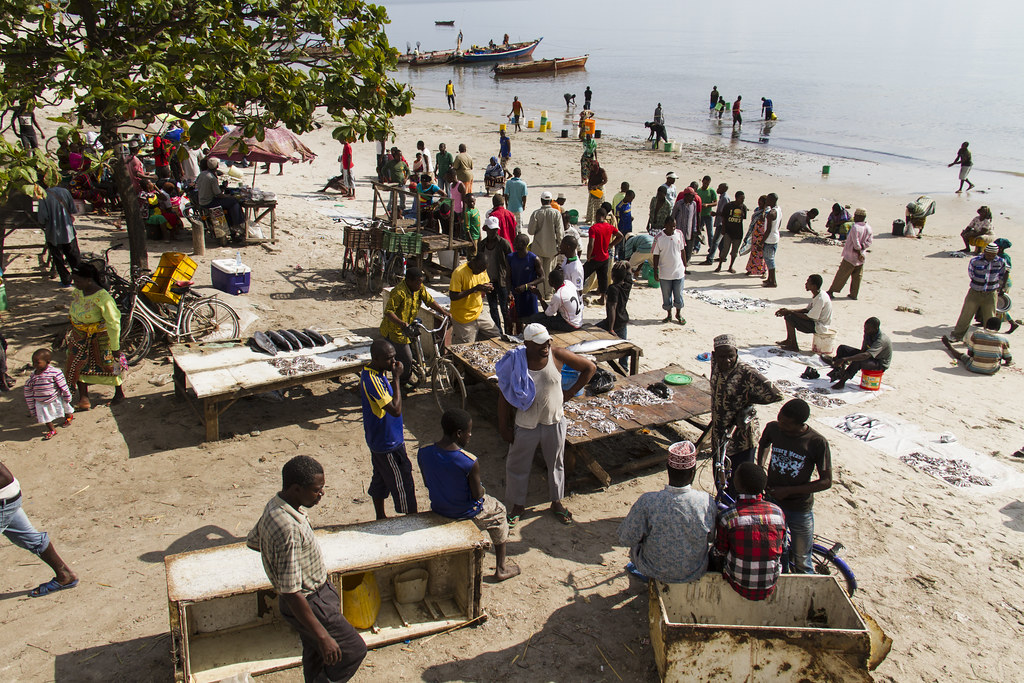
Fishing in Bagamoyo has started in the nineteenth century where the fishermen did not take it as a serious generating income job rather they practiced it for commodities exchange, a source of food and most of all a daily activity. Parallel to Masai tradition who receives the number of cows as the daughters’ dowry; the chiefs in Bagamoyo at the time would not ask for money to give their daughters away, instead they simply ordered some kilos of fish or fishing boat as an exchange.

China can be rich and ranks first in the world of fishing history but most of its people might not necessarily have fishing experience, different from Bagamoyo District whose 90% of old people today, were once fishermen.


Bagamoyo fish market 3_3.jpg

 There is absolutely no one faculty in the World that would understand a professor’s illiterate child complaining about how lack of knowledge made him so, unless he clarifies the situation with real valid documents. Likewise; it is unbelievable for a citizen outside Bagamoyo to relate the natives’ whine about not affording fishes in their own fishery town…but that is just the reality. 

In recent years Bagamoyo has witnessed a rapid fishing industry growth that created a high demand mostly on the external market while leaving a majority of residents whose income is average; in deprived, hopeless and even cursed out the blessing saying it is useless.

Speaking to Tanzanienne a local farmer Mama Ali said all the quality fishes are sold to the neighbor regions, leaving the common ones for the locals at yet unaffordable price.

“We don’t know the taste of fishes anymore. Five years ago, it was common to opt for a bowl of fish soup for a breakfast because we could get a 10litre bucket of fish for just 3000/-. Today that same amount of money won’t even get you a quarter kg of sardine, this is unacceptable”. Complained Mama Ali.

Watching these acts happening before their eyes, the residents insisted that the people of Authority must review the incident closely and make a fair decision for both sides’ benefits.


 What is the history telling us!

Being its own unique historical heritage, Bagamoyo has gained the popularity through different historical, cultural and traditional activities of which some of them are still active to date such as fishing.

Fishing in Bagamoyo has started in the nineteenth century where the fishermen did not take it as a serious generating income job rather they practiced it for commodities exchange, a source of food and most of all a daily activity. Parallel to Masai tradition who receives the number of cows as the daughters’ dowry; the chiefs in Bagamoyo at the time would not ask for money to give their daughters away, instead they simply ordered some kilos of fish or fishing boat as an exchange. However after industry revolution things have reversed where fishing has now become the main source of income not only for the citizens, but the neighbor regions. 

The Zaramo and Kwere are the native people of Bagamoyo although due to the investment and business opportunities, high flow of tourists to the historical sites and Museums in recent years, the town has been loaded by several tribes from other parts of the country such as Pemba, Tanga, Dar es Salaam and Morogoro. 

Explaining to this magazine the Tour guide at the Tourist Information Centre in Bagamoyo Ibrahim Juma said, fishing has become the number one District economy booster and has attracted a deep attention from outsiders whose access to the market is made even simpler after the construction of new road which takes a root from Dar es Salaam passing Bagamoyo to Tanga, Arusha, Moshi and vice versa. 

“Fishing has become expensive these days. All the mentioned regions come to buy tones of fishes from Bagamoyo something that make this town a busy place and create more business opportunities. The Pemba have become so high in number and are the ones who have dominated the market” He said.

Despite of focusing more on growing the external market; Ibrahim said there is significant figure of fishermen who have highly benefited the fruits of their own efforts and continue to do so because they have committed their lives to get quality. Some of them; have exclusively targeted on the local business such as foreign hotels and restaurants where they sell special variety of fish which may cost up to 300,000/- per one fish.

 “Most of the fishermen own their houses, farms and other properties. Children are brought to schools and reach colleges because of fishing.

By Khadija Amri

Americanah by Chimamanda Ngozi Adichie

This magnificent books starts of in America where a young Nigerian Woman, Ifemelu decides to go back to Nigeria after living ten years in America. She describes her stay there “ it’s wonderful but it’s not heaven”.

 Ifemelu in her stay in America, realizes that there are indeed racial issues and they do affect her because of the color of her skin color. It was hard for her to get a job though she had graduated from university. For instance, a restaurant tells her that they’ve decided to hire “‘a more qualified person’” for their hostess position or a babysitting job is given to someone else without any explanation.

Racism is not something she never had to deal with back in Nigeria. As she explains to someone at a dinner party,“I came from a country where race was not an issue; I did not think of myself as black and I only became black when I came to America.”

  The author addresses on issues concerning race in America with the character of Ifemelu and her blog addressing the “onyinbos”(white people) on how to treat black people.  For instance “ Dear American Non-Black, if an American Black person is telling you about an experience about being black, please do not eagerly bring up examples from your own life. Don’t say “It’s just like when I …”


Ifemelu grew up in Lagos, Nigeria where she met her highschool sweetheart Obinze. The two went to university together, however due to the political issues in that era, there were strikes and the university shut down. Ifemelu got an opportunity to apply for a scholarship in a university in Philadelphia, America and she manages to get the scholarship and visa while Obinze remained in Nigeria. This is the other side of Americanah where the author tells the story of the persevering love between the two characters across three continents

 In America, Ifemelu is introduced to the American culture and its racial politics. Since Ifemelu couldn’t find a job,She later accepts a job helping a tennis coach “relax.” He touches her sexually and gives her $100. Ifemelu goes home and feels guilty and depressed. She breaks off contact with Obinze. This is were the lovers relationship starts to drift away.

 Obinze is hurt by Ifemelu’s sudden silence. He graduates and moves to England. He stays with friends but can’t find a good job. Obinze borrows money from Emenike, an old friend who has gotten rich in England, and pays for a green-card marriage with a girl named Cleotilde. On the day of his wedding, though, Obinze is arrested and sent back to Nigeria.

 Meanwhile, Ifemelu in America, starts dating a rich, handsome white man. He  takes Ifemelu on many trips and helps her get a good job and a green card. However Ifemelu, feeling the pressure of her interracial relationship, cheats on Curt and he breaks up with her. She gets depressed again. Ifemelu starts her race blog and it gets very popular.

 For more gripping suspense, I suggest you get yourself the book and read. As a reader, I loved the book very much. I loved how Ifemelu and Obinze’s story begun and ended. To the moment where Ifemelu is back in Nigeria in the car with Obinze listening to “Yori yori” by bracket, the reader cannot help but fall in love and see the true meaning of “what’s meant for you will come back to you”

By Vanessa Mwingira

My Turtle, Your Turtle (Mi Casa, Su Casa)

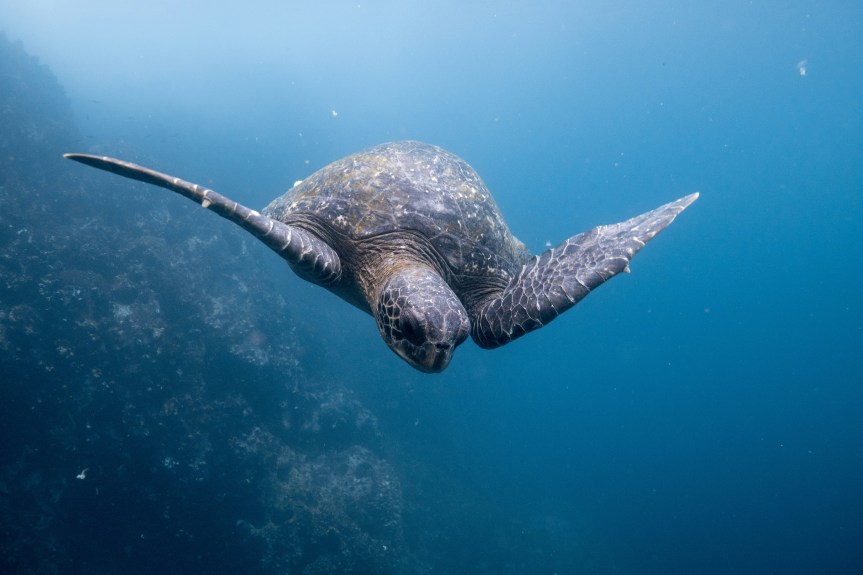
This tale follows the humble journey of McDonald. From a determined spearfisherman turned passionate ocean conservationist, McDonald’s story explores his dive into despair to his rise into awareness of our precious underwater ecosystem and how one person’s impact can change a community.

In the beautiful coastal town of Watamu in Kenya, AFRISOS collaborated with PWFF, Kenya Wildlife Services, Bahari Hai, A Rocha Kenya, and Temple Point Resort to unite environmental enthusiasts of the local community. AFRISOS mentors guided mentees through a 6-day dynamic smartphone filmmaking lab. Through this program, mentees and mentors worked together to plot, capture, and edit this film, all in four days! At the end of the program, the film was locally screened so the community could be a part of this enlightening journey of grassroots storytelling

Mi Kasa, Su Kasa is a narrative of hope. Hope in humanity’s ability to change, hope for the future of our oceans, and hope that no matter what equipment you already own, you can create artistic visual narratives with the simplest of tools