FOOD FOR THE SOUL

Food Break


by Vanessa Mwingira

DAR’S 5 UPCOMING FOOD JOINTS.

Food! The one thing that we all love in common. From chips and chicken to the local cuisine of pilau and biriani, this article is aimed for the food lovers who would love to explore the food joints in the beautiful city of Dar es Salaam.

  1. Mamboz Grill/Restaurant
unnamed (5).jpg
unnamed (6).jpg

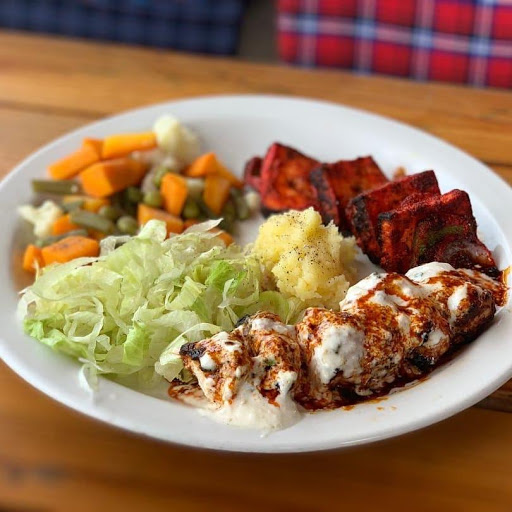
To all the barbeque lovers, Mamboz Restaurant is the place to satisfy all your bbq cravings.  The restaurant has various branches around dar es salaam, such as Mamboz Masaki and Mamboz SinzGrill, offering local bbq (nyama choma) and spicy indian cuisine such as chicken tikka gajjar. 

Pictures from mamboz instagram

2.Batapoint
unnamed (8).jpg
unnamed (7).jpg

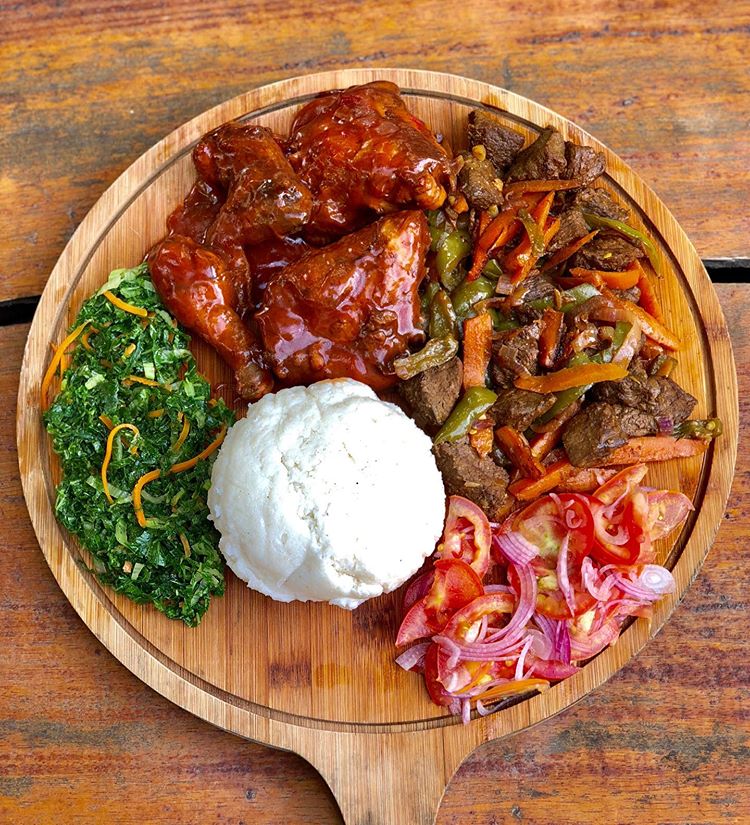
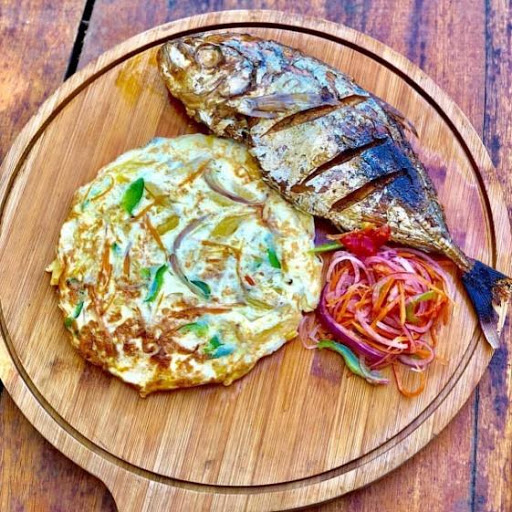
This is a fast food restaurant in Dar es Salaam that has an extensive pallete of food to satisfy your soul. The place offers a combination of various food such as barbequed sausage, beef, chips, mishkakis and fried eggs in one platter. The customer can decide whatever combination of food that they want.

Pictures from Batapoint instagram

3.Chefkile
unnamed (9).jpg
unnamed (10).jpg

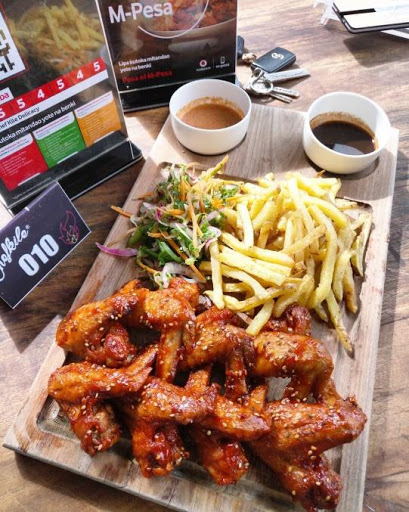
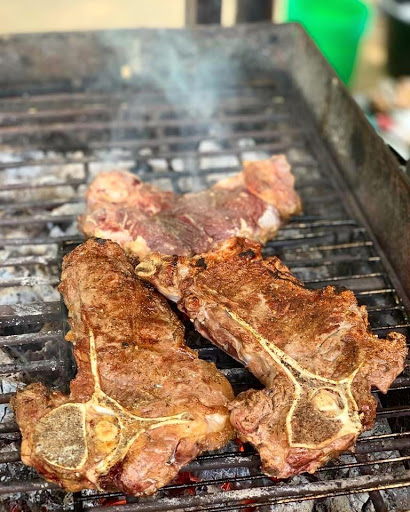
Chefkile is a BBQ delicacy restaurant where you can find the most delicious chicken wings, T. bone platter, smooked beef and butter garlic chicken among other things found in the outstanding menu. It’s a fresh new joint located in Mbezi beach open to all food lovers.

Pictures from Chefkile instagram

4. Neeko Foods
unnamed (11).jpg
unnamed (12).jpg

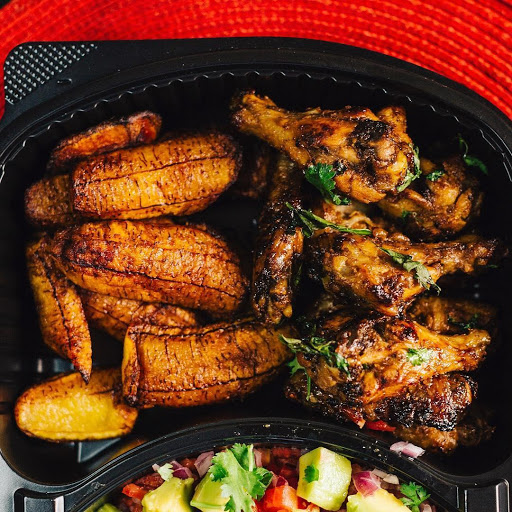
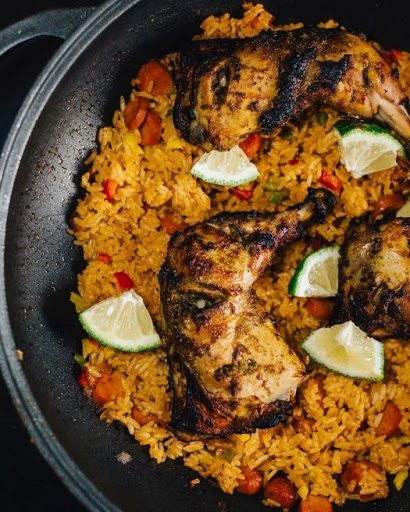
Online food service is on the rise in Dar es Salaam. With online food joints such as Neeko foods, customers can purchase food online through the weekly menu provided. 

Neeko foods provide local crafted, unique and attractive meal boxes.

pictures from Neeko foods instagram

5.Mudi Mabiriani
unnamed (13).jpg

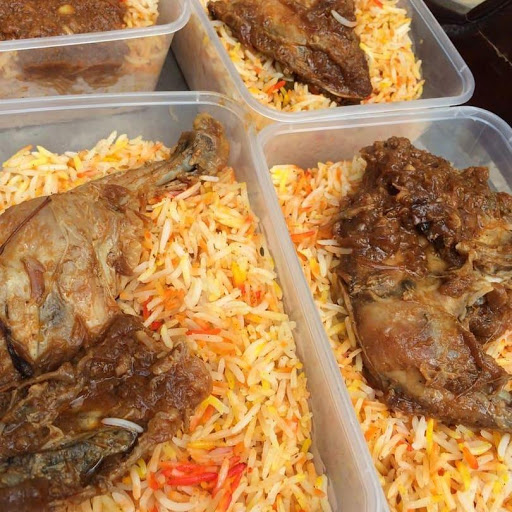
Fridays are no longer dull in Dar. Get yourself some delicious biriani from Mudi Mabiriani for a fair price. There are a variety of biriani available such as chicken biriani and beef biriani. They are located in Dar es Salaam, Sinza mori. pictures from Mudi Mabiriani instagram
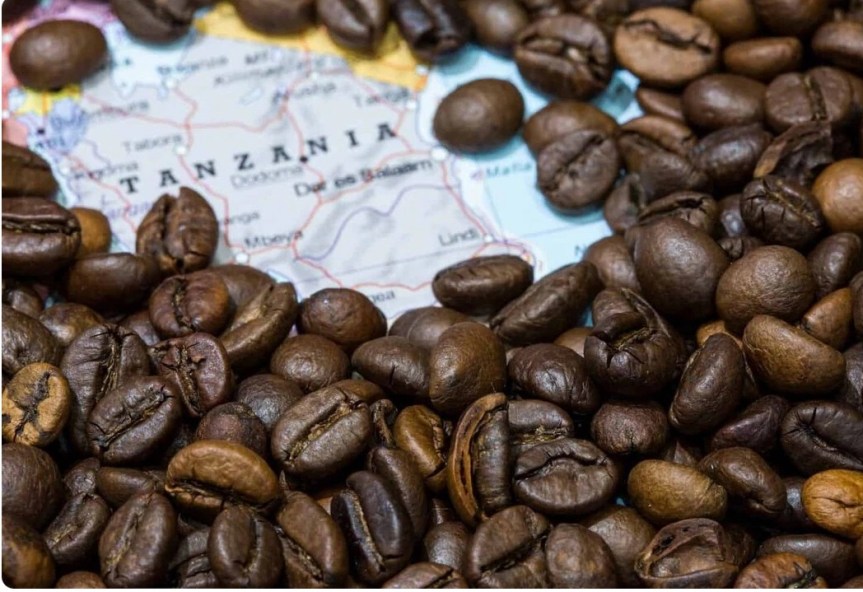
Coffee In Tanzania: From Bean To Cup

Coffee in Tanzania: From Bean to Cup

By Anne Tendwa

Tanzania is situated in the eastern region of Africa and is famous for its beautiful geographical features, endangered species, and rich tradition. In addition to Mount Kilimanjaro, the Serengeti, and the beautiful Spice Islands of Zanzibar, Tanzania has also another thing that makes it a special country in the world; its coffee. For the people of Tanzania, coffee is much more than a beverage; it is practically a culture, it is – economically – very important and it is a process of teamwork before one can actually enjoy sipping it. From the fertile beans growing highlands to the freshly brewed coffee in your cup, every ounce of Tanzanian coffee tells a tale of love and dedication to preserving tradition and never compromising on quality.

The journey of coffee begins right from the highlands of Tanzania where the soils are fertile for coffee growth. There are various regions in Tanzania that are very good for coffee growing, especially those surrounding the Mount Kilimanjaro, the southern highlands around Mbeya and the Victoria area. The country can be categorized in terms of two major coffee bean types such as the Arabica and Robusta.

Mount Kilimanjaro: Mount Kilimanjaro is probably the most popular region for growing coffees in Tanzania as coffees are grown on the slopes of Africa’s tallest mountain. In this region, cooled volcanic soils, high altitude, and moderate temperatures as well favor the growth of Arabica coffee. Most farms in this area yield very high quality coffee with some sweetness, with bright acidity, floral, with fruit overtones.

Mbeya and the Southern Highlands: The southern highlands should be considered and referred to along with Arabica beans Subzi. The coffee here is cultivated at altitudes of one thousand up to two thousand meters and americanos and the coffee here is very smooth and balanced with slight measures of chocolate and nut flavors.

Lake Victoria and Kagera: In the northwest, the area called Vic Portrait about the Lake Victoria, Robusta beans are cultivated. These beans have a tendency of being more potent, having a stronger and more rustic flare to it, and are commonly included in espresso blend or instant coffee.

Every region has a different taste resulting from its soil, height, and microclimates. Such differences have made Tanzanian coffee a sought after drink by coffee lovers around the globe.

The history of Tanzanian coffee starts with a tiny seed that is put in the ground by local farmers, who mostly cultivate small-scale family-owned farms. The majority of coffee growing in Tanzania is done by hand using rudimentary farming techniques that have been passed from one generation to another. It takes several years for coffee plants to grow and produce berries and during the period of cultivation, the hands of farmers need to be vigorous to the plants as they should develop well.

This involves growing trees used as shade for the coffee plants so that the plants do not get dry. These trees do not only let the coffee leaves flourish but also promote environmental conservation in the area by affording the forest cover.

Spotlight on Tanzanian Cinema:

Spotlight on Tanzanian Cinema: A Growing Industry with Local Talent
The Tanzanian film industry is undergoing a renaissance, with a surge in local talent
and productions making waves both locally and internationally. From gripping dramas to
heartwarming comedies, Tanzanian filmmakers are showcasing the rich cultural
tapestry of the country and captivating audiences around the world.
One recent success story is “Vuta Ni Kuvute” also known as Tug of War by Amil Shivji,
a film that has captured the hearts of audiences with its engaging storyline and powerful
performances. The film, which explores themes of love, family, and tradition, has
received critical acclaim and has been internationally and locally awarded. The movie is
currently Tanzania’s official submission to the 95 th Academy awards.
Another film that has garnered international attention is “Binti” directed by Seko Shamte
and co-produced by the director herself with Angela Ruhinda and Alinda Ruhinda. The
film tells the story of four Tanzanian women who are unknowingly connected through
their ability to perservere extreme hardships in the city. The movie is now available on
Netflix. Its inclusion on Netflix has helped to showcase Tanzanian cinema to a global
audience.
Despite these successes, the Tanzanian film industry still faces challenges, including
limited funding, infrastructure, and distribution channels. Many filmmakers struggle to
secure financing for their projects, and the lack of locations makes it difficult.
However, despite these challenges, Tanzanian filmmakers remain undeterred, using
their creativity and passion to overcome obstacles and bring their stories to life. Local
film festivals such as Zanzibar International Film Festival (ZIFF) provide a platform for
filmmakers to showcase their work and connect with industry professionals, helping to
foster a vibrant and growing film community in Tanzania.
As the Tanzanian film industry continues to grow, it is clear that its future is bright. With
a wealth of talent and a rich cultural heritage to draw from, Tanzanian filmmakers are
poised to make an even bigger impact on the global stage in the years to come.