


Category: Business
A Recap Of The “Block Chain In Dar Event” Unraveling the Mysteries of Block chain

Block chain technology, often described as a digital ledger that records transactions across multiple computers in a secure and transparent manner, took center stage on the 13th of this month in Dar Es Salaam, Tanzania. Hosted by Buni Hub and Almaze Media, the “Block chain in Dar” event wasn’t just another conference; it was a one-of-a-kind experience that left attendees in awe and inspired to delve deeper into its vast potential.
The event kicked off with a diverse agenda, each segment carefully curated to provide attendees with a comprehensive understanding of blockchain and its myriad applications. From discussions on blockchain for payment and financial inclusion to exploring career opportunities in this
burgeoning field, the lineup of speakers was nothing short of impressive.
Winstone Mjule, CEO of Nova, shed light on how blockchain can revolutionize payment systems, particularly in promoting financial inclusion among underserved communities. Aurelio Mofuga, BD associate at Umoja Labs, highlighted the abundant opportunities for builders in Africa’s blockchain ecosystem, emphasizing the importance of support and collaboration. Simalike Musika, founder of CHATAFISHA, delved into the concept of regenerative finance, showcasing how blockchain can contribute to sustainability and the integration of new technologies in the verification of impact. Justine Mahinyila, founder of Ufumbuzi Labs, opened
doors to exciting career prospects in blockchain, encouraging aspiring enthusiasts to seize the countless opportunities awaiting them.
Despite the regulatory challenges, Fayaz Valli, founder of GetCore Group Ltd, emphasized the vast potential of blockchain technologies and the need for innovative solutions to overcome regulatory hurdles. His insights provided a refreshing perspective on navigating the complex landscape of blockchain regulation.
The highlight of the event was undoubtedly the speed hackathon, where participants embarked on a journey to create their first decentralized application (dApp). Prior to the event, web2 developers received an introduction to blockchain and Solidity, the programming language of smart contracts. During the hackathon, ideas flowed freely as participants brainstormed and collaborated to bring their visions to life. The excitement didn’t end there. The speed hackathon continued for a week after the event, with participants vying for the coveted prize pool of $500. The winners were announced the following Friday, showcasing the remarkable progress made in such a short span of time. As the event drew to a close, attendees gathered for a lively cocktail and networking session, forging new connections and fostering synergies within the crypto community. It was a perfect finale to an extraordinary day filled with learning, innovation, and camaraderie. In retrospect, the “Blockchain in Dar” event was not just successful; it was a testament to the immense potential of blockchain technology and the collective efforts of passionate individuals driving its adoption forward. As we look to the future, one thing is certain: the blockchain revolution has only just begun, and the possibilities are limitless.
By Simalike Musika
Expensive fishing leaves Bagamoyo natives in need


China can be rich and ranks first in the world of fishing history but most of its people might not necessarily have fishing experience, different from Bagamoyo District whose 90% of old people today, were once fishermen.
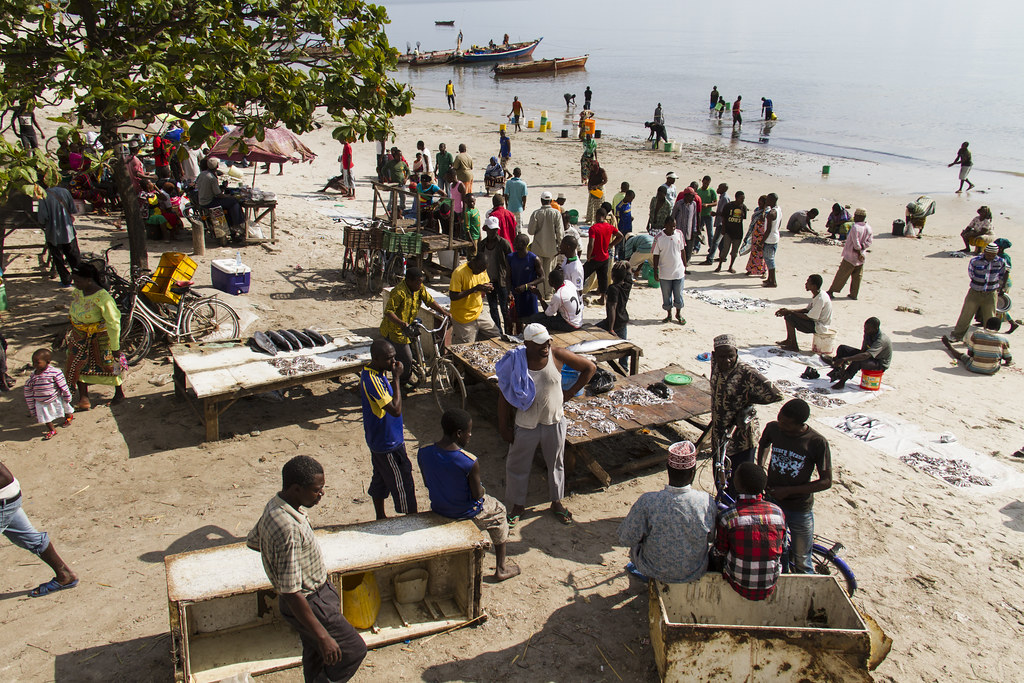
There is absolutely no one faculty in the World that would understand a professor’s illiterate child complaining about how lack of knowledge made him so, unless he clarifies the situation with real valid documents. Likewise; it is unbelievable for a citizen outside Bagamoyo to relate the natives’ whine about not affording fishes in their own fishery town…but that is just the reality.
In recent years Bagamoyo has witnessed a rapid fishing industry growth that created a high demand mostly on the external market while leaving a majority of residents whose income is average; in deprived, hopeless and even cursed out the blessing saying it is useless.
Speaking to Tanzanienne a local farmer Mama Ali said all the quality fishes are sold to the neighbor regions, leaving the common ones for the locals at yet unaffordable price.
“We don’t know the taste of fishes anymore. Five years ago, it was common to opt for a bowl of fish soup for a breakfast because we could get a 10litre bucket of fish for just 3000/-. Today that same amount of money won’t even get you a quarter kg of sardine, this is unacceptable”. Complained Mama Ali.
Watching these acts happening before their eyes, the residents insisted that the people of Authority must review the incident closely and make a fair decision for both sides’ benefits.
What is the history telling us!
Being its own unique historical heritage, Bagamoyo has gained the popularity through different historical, cultural and traditional activities of which some of them are still active to date such as fishing.
Fishing in Bagamoyo has started in the nineteenth century where the fishermen did not take it as a serious generating income job rather they practiced it for commodities exchange, a source of food and most of all a daily activity. Parallel to Masai tradition who receives the number of cows as the daughters’ dowry; the chiefs in Bagamoyo at the time would not ask for money to give their daughters away, instead they simply ordered some kilos of fish or fishing boat as an exchange. However after industry revolution things have reversed where fishing has now become the main source of income not only for the citizens, but the neighbor regions.
The Zaramo and Kwere are the native people of Bagamoyo although due to the investment and business opportunities, high flow of tourists to the historical sites and Museums in recent years, the town has been loaded by several tribes from other parts of the country such as Pemba, Tanga, Dar es Salaam and Morogoro.
Explaining to this magazine the Tour guide at the Tourist Information Centre in Bagamoyo Ibrahim Juma said, fishing has become the number one District economy booster and has attracted a deep attention from outsiders whose access to the market is made even simpler after the construction of new road which takes a root from Dar es Salaam passing Bagamoyo to Tanga, Arusha, Moshi and vice versa.
“Fishing has become expensive these days. All the mentioned regions come to buy tones of fishes from Bagamoyo something that make this town a busy place and create more business opportunities. The Pemba have become so high in number and are the ones who have dominated the market” He said.
Despite of focusing more on growing the external market; Ibrahim said there is significant figure of fishermen who have highly benefited the fruits of their own efforts and continue to do so because they have committed their lives to get quality. Some of them; have exclusively targeted on the local business such as foreign hotels and restaurants where they sell special variety of fish which may cost up to 300,000/- per one fish.
“Most of the fishermen own their houses, farms and other properties. Children are brought to schools and reach colleges because of fishing.
By Khadija Amri
Taxes On Female Sanitary Pads


The biggest news to hit Tanzania is the issues on taxes fixed on Sanitary pads. The taxes were re-introduced during the announcement of the 2019/2020 years budget.
The Finance minister Philip Mpango said removing the tax was not productive at all, it allowed traders to raise the rate of pads and increase their profit.
There was a growth in complaint about the pricing of the pads, some range from Tsh 2500 to Tsh 3000. A member of parliament, MP Peneza brought these grievances to the parliament and stated in her speech “…we met with distributors and traders of sanitary pads in the country and these traders, with illustrations, informed us that they had reduced prices. The problem was on the retail end, that is where the pricing has not been reduced”
Looking at how the government implemented on matters concerning plastic bags and made sure that everyone stopped using them, how can they fail to make sure that the retailers stuck to the low pricing?
This has angered many people in the society, mainly women and girls. Taxing Sanitary pads is a great injustice to women since it’s a biological phenomenon and not a luxurious thing. The women and girls who live in rural areas have been hit hard with this news due to the fact that they cannot afford sanitary pads.
Many girls in the village do not own sanitary pads due to the pricing and also unavailability of them in shops. This leads to them missing out on school on days that they have their menstrual cycle. According to surveys done, most girls in rural areas use inappropriate materials such as rags, raw cotton among other things to substitute sanitary pads.
The government should give out sanitary pads free of charge in schools in order to help the girls not miss out on classes. Kenya is a perfect good example where pads are given out free of charge in schools. In addition the prices should be affordable to every woman who earns a low income wage. Periods are not luxuries.
Business On Social Media

The internet is one of the best inventions made by man. We all know without the internet our lives would be unfulfilled. It has changed our world so much that life has been way easier to tackle. Information, communication and even advertisement can be easily provided through the internet making interaction between people from different continents and with different backgrounds connect. This itself is a big win for the internet.
With all the importance’s it provides us with, the internet has managed to develop small businesses in the society. Many owners of small businesses use the internet as a factor to spread their products. The services provided by the internet are reliable and fast to inform the public about their business without use of much expense. It also captures easily the interest of the customers with the pretty pictures and videos of the products. This way the customers will know what they want, what it costs and when they can get the products.
The biggest result of the internet used by small business owners is social media. From YouTube, Facebook and mostly Instagram, all these social media platforms enable the small businesses to gain market insights and be exposed to potential customers near or far from you. This is advantageous because more people join Social Medias in a regular basis making it a perfect way to connect with your customers.

Clothing brands, portable devices services, photography services; these are some of the famous small businesses in our country that use social media, blogs and the internet in general to advertise and attract their customers. It so happens that this method helps a lot since these small businesses are flourishing and increases income for the owners.
Since social media is used by a large number of youth, many have started opening their small businesses. The chance of getting customers using social media has managed many youth to be creative in what business they start that may capture the attention of the people. For example, a girl named Anitha Mbangula managed to start her own small business of baking homemade chocolate cakes and selling them through social media. She uses mostly instagram and whatsapp to reach her customers.
Small businesses or large ones show that social media is very important in our lives today. If it keeps up, the business world will change rapidly in the upcoming years in a good way.
By Edna Deus
Women strength: winnowing 300 Kgs a day for $ 10, yet able to own a house!


There may be the official denial of the current drop economic status in Tanzania but the citizens’ recitation of ‘Maisha magumu’ referred to ‘life is hard’ is unquestionable. However; while the majority of people are completely stuck; complain and wondering how they will cope with the president Magufuli slogan of hapa kazi tu effects, others spend the same 24 hours a day blessing, to figure-out and work on all the opportunities that show up. In a country like Tanzania it is hard to imagine if winnowing could make a living as a reliable job, because it is a must have kitchen equipment to every household in the country, thus no one can real hire an individual for that task…but it is happening.
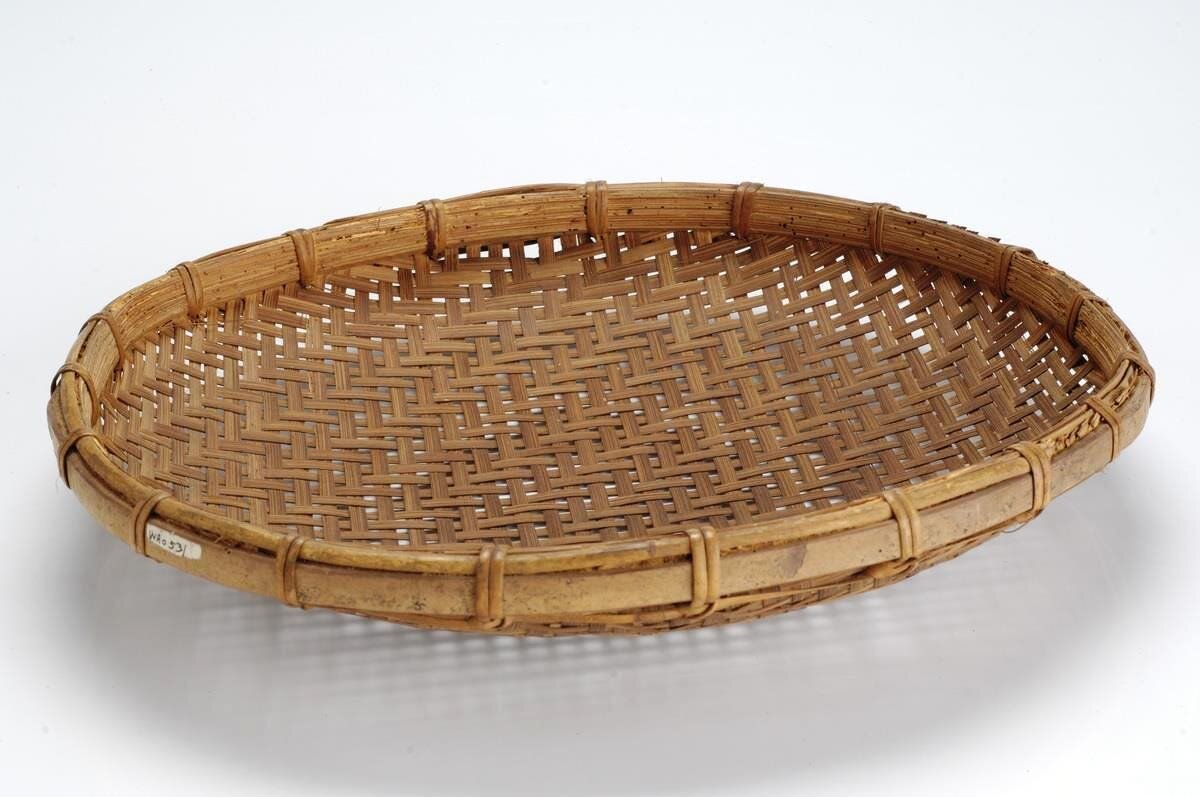
What is winnowing?
Winnowing is the process of separating the heavier components from the lighter components of a mixture by wind or by blowing air using a winnowing basket. It is essential to separate them in order to obtain clean grains that can be used in the eating purpose. Winnowing is widely used in almost every house in Tanzania especially when dealing with grain and all types of cereals.
Mama Leah is a resident of Kimara in Dar es Salaam. She and her husband have involved in cereal business for 8 years now. They order several sacks of rice and beans from the farmers at Temeke by a wholesale price and sell to individual customers by a retail price at Kisutu market. Explaining their experience in the business, Mama Leah said persistence is the only capital that they hold on to, to become who they are today.
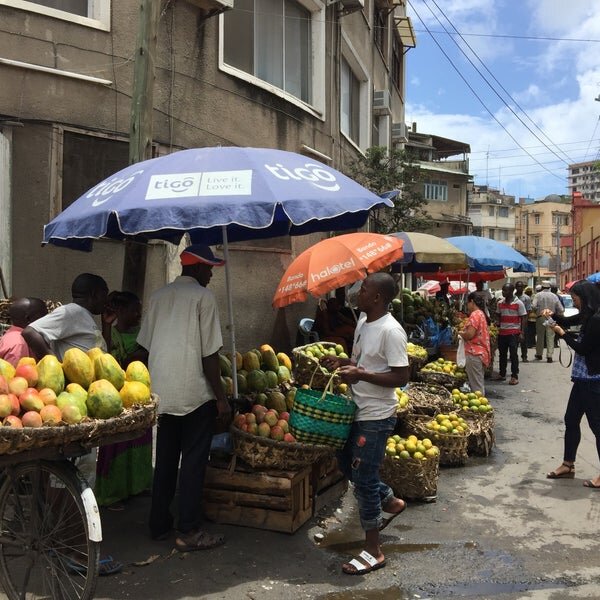
“The money flow that was familiar before our eyes has disappeared long time ago and there is no hope without persistence. The profit we make does not equate the value of life we are living…but we cannot stop. She said. Despite of facing several challenges Mama Leah and her husband were able to build a 3 bedrooms house and pay their 2 children’s school fees in less than 8 years. Nevertheless, Mama Leah revealed that in the recent years, the main business has gone down and that many of them have invested their time doing the uncomfortable activities like winnowing. Found her in the middle of winnowing; she revealed to the magazine that, it was not from her shop rather she is doing a part time. “This beans sack contains 100 Kgs, and I do it for a fellow vendor (because we have no customers during holidays like this refers to Eid el Fitr and I am idle) who pays me 8000/- per a sack. There is a good number of fellow women as you can see who make their living out of this senseless job, and the maximum we do in a day is 300 Kgs of winnowing either beans or rice. It is a hard work but it pays off if you persevere”. She lamented. Furthermore Mama Leah said almost all the fellow vendors about 50 of them; participate in a marry-go-round play popularly known as upatu, which motivates them to work even harder because each one of them is required to pay 5000/- everyday. After one week, one person receives 1,750,000/- and the process continues. The entire Kisutu vendors have shifted their businesses following the market renovation and Mwendokasi construction, something that has affected their selling out of losing many customers.
By Khadija Amri
Swahili Wood Décor


Swahili wood decor is a company that deals with interior and exterior designing of anything that involves woodwork. It was founded in December 2018 and is owned by Emmanuel Samuel. He was still a student when he began this line of work and now it has grown into a very well-known company.
In the beginning Swahili wood décor did not have a specific space for work and so they were mainly found through social media. That did not last for long because they now have headquarters in Mikocheni, Dar -Es -Salaam in Tanzania.
This company was started to help people get there vision to become real on what they needed. Different carpentry skills are used to create items, furniture and even buildings just as the customer wants. The act of making these visions come true was so as to save the people time to go around in shopping malls and stores looking for what they need. With making wood into items the certainty of durability is higher than the ones being bought from malls. Swahili wood décor is famous in making lamps, chandeliers, mirrors, wall clocks and many others items.



In less than a year, the company was able to work on big projects in and out of Dar es Salaam. They worked in Kahama, Mwanza and also Geita. They designed different buildings using wood as their main material such as bars, shops and others. Furthermore, their biggest project was done in Dar es Salaam where they designed the Instanbul Turkish Restaurant outside of Mlimani City complex mall. The restaurant was done in perfection.
This New Year, Swahili wood décor has captured the interest of customers from other countries. As the saying goes “the first step towards getting somewhere is to decide you are not going to stay where you are”, and the step this company took was to spread its wings to other countries starting with South Africa. With all the achievements it has got this last year, we can’t wait to see more of their designs in many other different settings.
By Edna Deus
A GREENER FUTURE FOR TANZANIA
Green Innovation in Tanzania: Abdul and Athumani Pioneer Bioplastics for a Sustainable Future
In the vibrant city of Dar-Es-Salaam, two visionary young entrepreneurs, Abdul Mabada and Athumani Kinyomi, both fresh graduates from a local college, are poised to revolutionize the business landscape with their innovative approach to plastic waste management. Their journey not only holds the promise of environmental sustainability but also opens up exciting opportunities for savvy business investors and aspiring entrepreneurs.
A Dual Endeavor for a Circular Tomorrow
Abdul and Athumani, driven by a shared passion for sustainability, embarked on a mission to address the pressing issue of plastic waste that plagues their city and the entire nation of Tanzania. These enterprising minds, hailing from the same college, are now collaborating to bring their innovative solutions to life.
Abdul’s PLA
Green Innovation in Tanzania: Abdul and Athumani Pioneer Bioplastics for a Sustainable Future
In the vibrant city of Dar-Es-Salaam, two visionary young entrepreneurs, Abdul Mabada and Athumani Kinyomi, both fresh graduates from a local college, are poised to revolutionize the business landscape with their innovative approach to plastic waste management. Their journey not only holds the promise of environmental sustainability but also opens up exciting opportunities for savvy business investors and aspiring entrepreneurs.
A Dual Endeavor for a Circular Tomorrow
Abdul and Athumani, driven by a shared passion for sustainability, embarked on a mission to address the pressing issue of plastic waste that plagues their city and the entire nation of Tanzania. These enterprising minds, hailing from the same college, are now collaborating to bring their innovative solutions to life.
Abdul’s PLA Bioplastic Revolution
Abdul, with his pioneering spirit, set out to explore the potential of Polylactic Acid (PLA) bioplastics. He recognized that Tanzania possesses a wealth of starch-based food waste, including cassava and maize, which often goes unused. This waste, when converted into PLA bioplastic, not only offers a sustainable alternative to traditional plastics but also opens doors for profitable ventures. PLA, being biodegradable and carbon-neutral, aligns perfectly with the global push for eco-friendly products.
Athumani’s Vision with PHA Bioplastic
Athumani, Abdul’s innovative partner, brings another dimension to their venture. Inspired by Abdul’s work, he delved into the world of Polyhydroxyalkanoates (PHA) bioplastics, which are produced from microorganisms. Athumani sees the potential to transform solid human waste and water waste into valuable resources, paving the way for innovative and regenerative use cases.
Navigating Challenges with Entrepreneurial Grit
The entrepreneurial journey is not without its challenges, and Abdul and Athumani face them head-on. The duo grapples with the need for advanced technology and infrastructure to produce bioplastics at scale. To realize their vision of creating clearer, more efficient bioplastic products, they require substantial investment in machinery and a dedicated production facility.
Investment Opportunities for Business Pioneers
For business-minded individuals and entrepreneurs, Abdul and Athumani’s venture offers an enticing opportunity. Their innovation aligns perfectly with the global trend towards sustainable and eco-friendly products. Investing in this green revolution not only supports a worthy cause but also has the potential for significant returns.
Renewable Energy for Sustainable Production
Both Abdul and Athumani emphasize the importance of renewable energy sources for powering their production facility. This commitment to sustainability not only reduces environmental impact but also enhances the project’s appeal to socially responsible investors.
A Sustainable Solution with Profound Impact
The impact of Abdul and Athumani’s initiative extends beyond the balance sheet. With Tanzania facing critical waste management challenges and overflowing landfills, their innovation could be the catalyst for transforming waste into a valuable resource. By supporting their project, investors have the opportunity to make a lasting difference in the Tanzanian community.
In conclusion, Abdul and Athumani, the dynamic duo from Dar-es-Salaam, represent the future of green innovation in Tanzania. Their entrepreneurial spirit, combined with their commitment to sustainability, presents an exciting proposition for investors and business pioneers looking to make a positive impact on both the environment and the bottom line. As they forge ahead with their journey, Abdul and Athumani are not just transforming waste into bioplastics; they are paving the way for a more sustainable and prosperous future.
Written by Simalike W. Musika
The Chatafisha Project


“Sometimes you got to create what you want to be part of.” –Geri Weitzman
This statement rings extremely true for Simalike Musika, founder of the Chatafisha Project. By integrating public art with technology, the Chatafisha project seeks to alter how the urban community engages with its environments. Through the use of Augmented Reality and blockchaintechnology, the Tanzanian Urban community can get to experience living in a “smart city”.
‘Chatafisha’ is derived from two Swahili words: CHATA, which means a mark and symbolizes the artistic medium; and SAFISHA, which means to clean and symbolizes metamorphosis.
Tanzania’s Dar-es-Salaam is a vibrant fast growing city with a number of ongoing construction projects. Dar-es-Salaam is a city that recounts the tale of a rich history, founded by the Sultan of Zanzibar in 1862 who famously named it Mzizima, it is a rapidly growing center for economic activity, the 5th in Africa and is predicted to cross the “Megacity” threshold (10million people) before 2030. From the bustling street life of the Machingas (“marching guys” or street merchants) to the heavily packed Daladalas (buses) and old coastal style architecture in down-town Posta or Kariakoo. Urban tales containing revolutionary names such as Malcom X and Che Guavaraneed to be remembered and revisited. The Chatafisha project aims to utilize and deploy public art as a medium of story-telling to spark dialogue in a more engaging, vibrant and innovative way and encourage interactivity in the Urban space.
Simalike and I had the opportunity to speak for a bit so that I could learn more about him and the Chatafisha Project.
The Tanzanian Times (TT): How did you come up with the Chatafisha project?
Simalike Musika (SM): The idea for the project was originally to give kids a place to skate and interact. Urban culture, and notably skateboarding, has always been very much to my taste. My good friend Alphonce and I used to skate at a skate park called Funkys in Masaki, where he used to work. I loved everything about skate culture, even the style and music. We used to meet with other kids to skate by the Morocco bus stop, so we thought it would be really cool to build a space where we could all skate, do graffiti, maybe even have a basketball court. A location where they can develop their artistic side and learn how to draw graffiti. The basic goal of the Chatafisha project is still to develop integrating spaces for urban dwellers. A setting that promotes integration.
TT: How long has it been in the works?
SM: From when I was in college, around 2014 to this day.
TT: What is the selection process for the artists?
SM: There will be a visual preference survey where we will document and interview the community in the targeted area to give them a voice and document their stories in order to integrate it through code in the Artwork. We aim to work with top notch talent and our art is meant to be not only site specific, but also interactive, therefore the artneeds to reflect the spirit of these areas. So, if we are to paint a mural in Morocco Bus Station, for example, we’d like the mural to reflect the environment of buses passing by and heavy traffic. After the creation the art shall go up on sale as an NFT, on the blockchain.
TT: The Rangi Chanya Festival. Can you tell me a little about that?
SM: This is actually how the project is being carried out. After the survey, the creation will commence in the form of a public exhibition we call it Rangi Chanya festival (Rangi Chanya means “positive colors”). This event will include a selling component. Vendors, are welcome to set up a booth and sell their artwork. This festival is intended to serve as a Mural exhibition and a chance for the community to engage and experience the creative process and learn about the application of AR, VR and QR technology. Later this year, the inaugural Rangi Chanya event is scheduled to take place.
TT: Are you an artist yourself?
SM: I am a multidisciplinary artist. I adore visual art. I can write rhymes. I can curate, conceptualize and produce for entire bodies of work, like I did with my most recent album, “Heaven is now,” in addition to directing music videos and short films. I am about to begin work on a feature film’s soundtrack. I am a voice actor and have done several voice-over work, for NGOs and corporates. I am alsoabout to dabble in some acting and fashion designing. I want to start a collection with a partner. These to me are all various aspects of visual art, which is something that I’m quite passionate about.
TT: How do you intend on overcoming the challenge of lack of knowledge when it comes to technology?
SM: Technology is part and parcel of our lives nowadays. With regard to NFTs and AR, our goal is to have a provision for workshops to educate the artists on potentials that exist in the tech world. We want to provide them with opportunity to go beyond the traditional boundaries of public art such as its ephemeral nature through block chain technology. Technology could serve as a platform for the storage, transferring of information in a safe and transparent way. Working with our strategic partners in the AR industry to educate the public and give them a chance to experience this new technology first hand. In addition to serving as a platform for artistic expression, Chatafisha also serves as an introduction to Web3 technology.
TT: What excites you most about this project?
SM: The fact that this concept offers the ideal solution to the issue of excessive advertising in the city of Dar is what intrigues me the most about it. I believe that artists should be paid to display their skills and originality, rather than just getting paid to paint various corporations’ logos on the sides of houses. We wanted to have Art with minimal external corporate branding but business organizations will always seek for visibility, subsequently this would not be impactful if not counterproductive. With AR technology, we can now satisfy the need for branding, transferring and storage of information for educational or social purposes, while maintaining the integrity of the artwork. Digital coding is a viable option for storing all required data. This is art that speaks… art that comes to life.
TT: Is the Chatafisha project supposed to be an ongoing project? If so, what cities are you kicking off the project in?
SM: This is definitely going to be an ongoing project. We plan on being the entity that not only draws murals butdevelops and encourages for more integrative spaces as it pertains to the public art scene. It will start at home in Dar es Salaam and slowly move into different cities throughout Tanzania.
TT: Have there been any challenges experienced throughout this entire project?
SM: The biggest challenge has been building a solid team that is as passionate about transforming public spaces and who are also interested in technology and its prospects in creating a more sustainable city. The accessing of funds has also been another challenge that the recent developments of Web3 promises to solve. People are more excited to hop on this project because of that.
To keep up with all things #CHATAFISHA, be sure to follow them on Discord:
Instagram:@chatafisha_tz
Twitter:@chatafisha
Discord:CHATAFiSHA https://discord.gg/98mpNuxq
Elimu Ya Fedha Na Uwekezaji


70% ya wasiwasi tulionao ni kuhusu fedha, mafarakano na ugomvi mwingi kwenye familia, ndoa na urafiki unachangiwa na fedha, msongo wa mawazo, wivu, kukosa furaha na hisia nyingine hasi zinatokana na Fedha.
Madam Finance imeanzishwa kwa ajili ya kuwasaidia watanzania kutatua changamoto zinazotokana na Fedha kwa kutoa elimu na ushauri juu ya Fedha na Uwekezaji.
Kupitia elimu na ushauri tunawasaidia watanzania kubadilisha mitizamo juu ya fedha, kuwajibika, kuyakabili na kulipa madeni, kutunza fedha, kuwekeza na kuongeza kipato n.k.
Mwishowe, Madam Finance inataka kuwaona watanzania wenye afya ya fedha, wenye kujitegemea, wenye kuzifikia na kuziishi ndoto zao na wenye kuishi maisha ya furaha.
Written by Madam Finance
 The Tanzanian Times