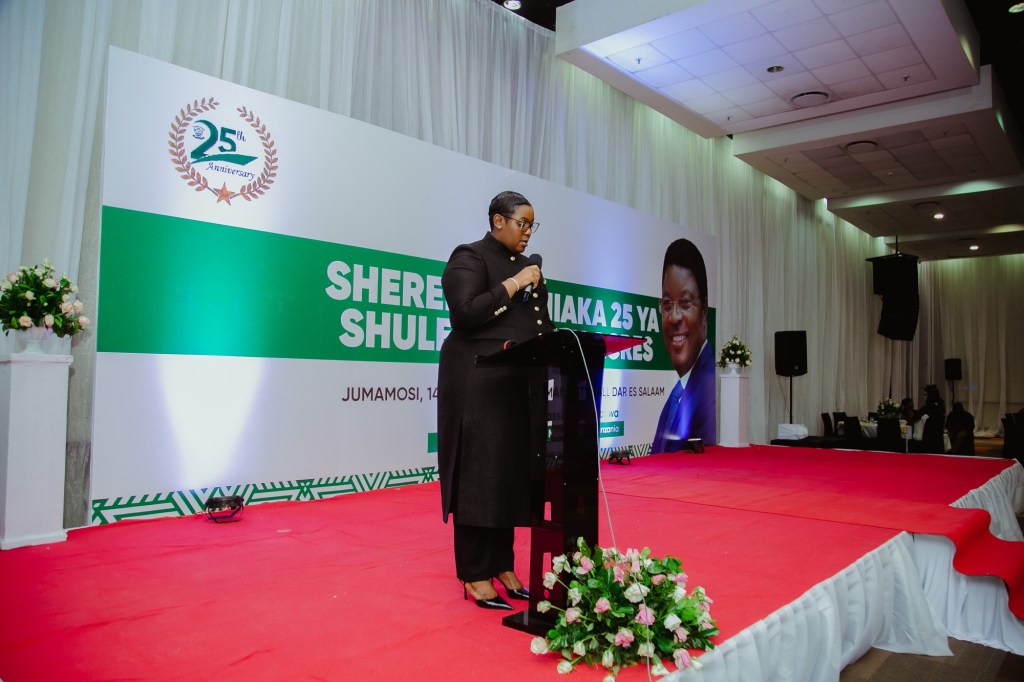
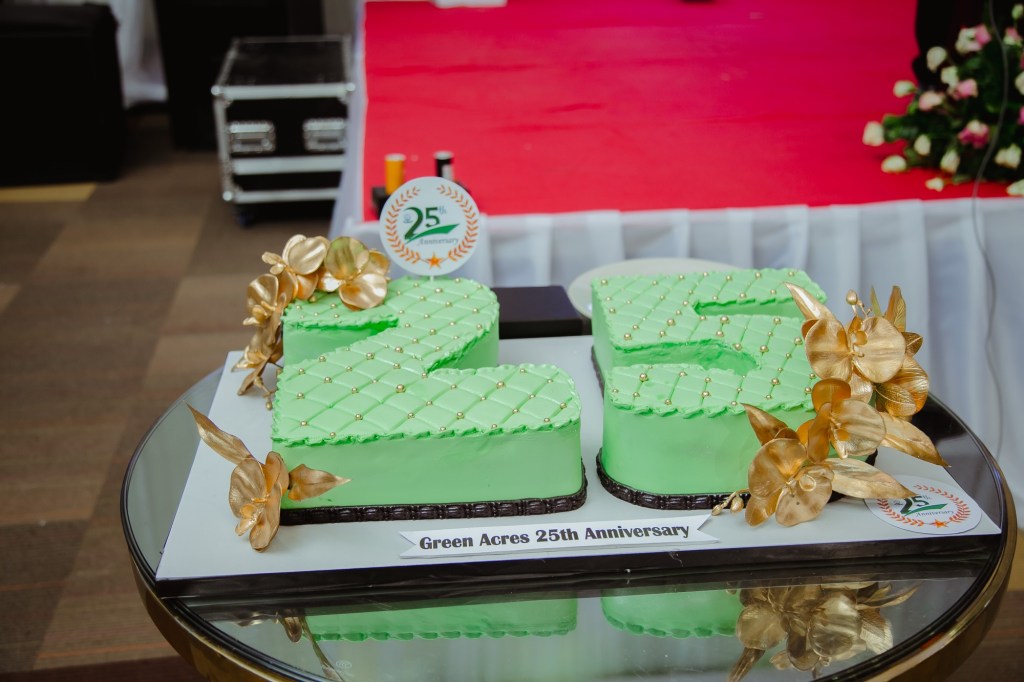
25 Years of Green Acres: A Q&A with Managing Director Jacklyne Rushaigo

as Green Acres celebrates 25 years of shaping minds and building futures, we sat down with Jacklyne Rushaigo, Managing Director of Green Acres, to reflect on the school’s journey — from its founding vision to the milestones, challenges, and hopes that continue to guide its path forward.

1. The Original Vision and Its Fulfillment

Q: When Green Acres was founded 25 years ago, what was the original vision?

A: When Green Acres was founded 25 years ago, the original vision was to create a holistic learning environment that didn’t just focus on academic excellence but also nurtured well-rounded individuals. We envisioned a school that would foster critical thinking, creativity, and a strong sense of community, all while instilling Tanzanian values and a global perspective. We wanted to be a place where every child felt valued and empowered to reach their full potential, not just in their studies but as contributing members of society.
I believe we’ve come incredibly close to fulfilling this vision. Our students consistently excel academically, but more importantly, they graduate as confident, compassionate, and engaged young people. We see them initiating community projects, embracing innovation, and becoming leaders in various fields, both locally and internationally.

2. Early Challenges and Their Impact

Q: What were some of the early challenges Green Acres faced, and how did they shape the school?

A: The early years of Green Acres were certainly not without their hurdles. One of the biggest challenges was establishing credibility and trust among giant Government schools. As a new school, we had to prove our commitment to quality education and our unique approach. This meant investing heavily in qualified teachers and ensuring our facilities met high standards, often with limited resources. We had to be innovative in our recruitment and professional development, focusing on continuous learning and creating a supportive environment for our staff.
These challenges profoundly shaped Green Acres into the institution it is today. They instilled in us a deep sense of resilience and adaptability. We learned to be resourceful, to prioritize our investments wisely, and to continuously innovate.

3. Evolution Over 25 Years
Q: How has Green Acres evolved over the past 25 years?

A: Green Acres has evolved significantly over the past 25 years in several key areas:

● Curriculum: While our core commitment to academic rigor remains, our curriculum has become far more student-centered and inquiry-based. We’ve integrated more project-based learning, technology, and real-world applications to make learning more engaging and relevant. For example, our science labs are now equipped with advanced technology, and we’ve introduced entrepreneurship programs that allow students to develop their own business ideas.

● Student Outcomes: Beyond just academic results, which have consistently improved, we’ve seen a marked increase in our students’ global awareness and civic engagement. They are more confident communicators, critical thinkers, and active participants in community development initiatives. Our alumni are pursuing diverse paths, from medicine and engineering to entrepreneurship and creative arts, both in Tanzania and abroad, demonstrating the breadth of our impact.

4. Green Acres’ Proudest Achievement

Q: What do you consider the school’s proudest achievement?

A: Without a doubt, Green Acres’ proudest achievement to date is the impact our alumni are making in Tanzania and beyond. Seeing our graduates become leaders, innovators, and compassionate citizens who are actively contributing to positive change is the ultimate validation of our mission.
For instance, we have alumni who are now successful medical professionals, lawyers, teachers, engineers, architects and so on. Their collective success stories are a testament to the strong foundation they received at Green Acres and our most cherished legacy.

5. Leadership Philosophy

Q: What is your leadership philosophy at Green Acres?

A: My leadership philosophy at Green Acres has always been rooted in empowerment and collaborative growth. I believe in fostering an environment where every member of the school community – students, teachers, and staff – feels empowered to take ownership, innovate, and contribute their unique strengths.

6. What Makes Green Acres Different

Q: What sets the Green Acres learning environment apart from other schools?

A: What truly sets the Green Acres learning environment apart from other schools is our unwavering commitment to nurturing individual potential within a strong community framework. We don’t just focus on academic results; we prioritize the holistic development of each child.
We pay more attention to individualized student attention, emphasis on character development, vibrant extra-curricular programs, and a strong sense of familyhood.

7. Role of the Alumni Community

Q: What role has the alumni community played in Green Acres’ legacy?

A: The alumni community has played an absolutely vital role in shaping the Green Acres legacy. They are our most powerful ambassadors and living proof of the school’s impact. Their contributions extend beyond mere financial support; they actively mentor current students, share their experiences, and inspire the next generation.

8. School-Community Relationship Development

Q: How has the relationship between Green Acres and its surrounding community evolved?

A: The relationship between Green Acres and its surrounding community has developed from one of initial establishment to a deeply integrated and mutually beneficial partnership.
In the early years, our focus was primarily on building our school and establishing our presence. Over time, however, we realized the immense value of actively engaging with our neighbors. We’ve moved beyond being just a physical presence to becoming an integral part of the local fabric.

9. Hopes and Goals for the Next 25 Years

Q: What are your hopes and goals for Green Acres in the next 25 years?

A: As we look ahead to the next 25 years, my hopes and goals for Green Acres are ambitious yet firmly rooted in our foundational vision:

● Deepening our Impact: I envision Green Acres becoming an even greater force for positive change in Tanzania. This means expanding our outreach programs, particularly in areas of teacher training and curriculum development for underprivileged students, sharing our expertise more widely.

● Embracing Innovation: We aim to be at the forefront of educational innovation, integrating cutting-edge technology and pedagogical approaches to prepare our students for a rapidly evolving world. This includes exploring AI in education and further developing personalized learning pathways.

● Sustainable Growth: We plan for sustainable growth, ensuring that any expansion of our facilities or programs maintains our high standards of quality and our close-knit community feel. This also includes a strong focus on environmental sustainability within our campus operations.

● Strengthening Alumni Network: We will further cultivate our alumni network, creating even more robust mentorship programs and platforms for them to collaborate and contribute to the school’s ongoing success and the development of Tanzania.

10. Message to Current Students, Staff, and Alumni

Q: Do you have a message for the students, staff, and alumni of Green Acres on this milestone?

A: As we reflect on this incredible 25-year milestone, my message to our current students, dedicated staff, and cherished alumni is simple yet profound:
To our students: You are the heart of Green Acres. Embrace every opportunity, learn with curiosity, and always remember the values instilled in you. Dream big, work hard, and never stop striving to make a positive difference in the world. The future is yours to shape, and we have every confidence in your ability to lead with integrity and compassion.
To our staff: Your unwavering dedication, passion, and commitment are the bedrock of Green Acres’ success. You are not just teaching subjects; you are shaping futures, inspiring minds, and building character. Thank you for your tireless efforts, your innovative spirit, and for creating such a nurturing environment for our students. Let’s continue to learn and grow together.
To our alumni: You are our living legacy. Your achievements fill us with immense pride, and your continued engagement is invaluable. Remember the lessons learned within these walls, carry forward the spirit of Green Acres, and continue to be ambassadors of excellence and service wherever you go. Your support, guidance, and inspiration are crucial as we embark on the next 25 years.

Together, we have built something truly special. Let’s celebrate this quarter-century of excellence and look forward to an even brighter future for Green Acres!

A Recap Of The “Block Chain In Dar Event” Unraveling the Mysteries of Block chain

Block chain technology, often described as a digital ledger that records transactions across multiple computers in a secure and transparent manner, took center stage on the 13th of this month in Dar Es Salaam, Tanzania. Hosted by Buni Hub and Almaze Media, the “Block chain in Dar” event wasn’t just another conference; it was a one-of-a-kind experience that left attendees in awe and inspired to delve deeper into its vast potential.

The event kicked off with a diverse agenda, each segment carefully curated to provide attendees with a comprehensive understanding of blockchain and its myriad applications. From discussions on blockchain for payment and financial inclusion to exploring career opportunities in this
burgeoning field, the lineup of speakers was nothing short of impressive.
Winstone Mjule, CEO of Nova, shed light on how blockchain can revolutionize payment systems, particularly in promoting financial inclusion among underserved communities. Aurelio Mofuga, BD associate at Umoja Labs, highlighted the abundant opportunities for builders in Africa’s blockchain ecosystem, emphasizing the importance of support and collaboration. Simalike Musika, founder of CHATAFISHA, delved into the concept of regenerative finance, showcasing how blockchain can contribute to sustainability and the integration of new technologies in the verification of impact. Justine Mahinyila, founder of Ufumbuzi Labs, opened
doors to exciting career prospects in blockchain, encouraging aspiring enthusiasts to seize the countless opportunities awaiting them.
Despite the regulatory challenges, Fayaz Valli, founder of GetCore Group Ltd, emphasized the vast potential of blockchain technologies and the need for innovative solutions to overcome regulatory hurdles. His insights provided a refreshing perspective on navigating the complex landscape of blockchain regulation.

The highlight of the event was undoubtedly the speed hackathon, where participants embarked on a journey to create their first decentralized application (dApp). Prior to the event, web2 developers received an introduction to blockchain and Solidity, the programming language of smart contracts. During the hackathon, ideas flowed freely as participants brainstormed and collaborated to bring their visions to life. The excitement didn’t end there. The speed hackathon continued for a week after the event, with participants vying for the coveted prize pool of $500. The winners were announced the following Friday, showcasing the remarkable progress made in such a short span of time. As the event drew to a close, attendees gathered for a lively cocktail and networking session, forging new connections and fostering synergies within the crypto community. It was a perfect finale to an extraordinary day filled with learning, innovation, and camaraderie. In retrospect, the “Blockchain in Dar” event was not just successful; it was a testament to the immense potential of blockchain technology and the collective efforts of passionate individuals driving its adoption forward. As we look to the future, one thing is certain: the blockchain revolution has only just begun, and the possibilities are limitless.

By Simalike Musika

Exploring Identity and Culture: Vanessa Mwingira’s‘Brothas and Locs’ Photography Exhibition.

Dreadlocks, often referred to simply as ‘locs,’ are more than just a hairstyle to some people; they are a powerful form of self-expression and cultural identity. With this in mind, photographer Vanessa Mwingira presents a visual narrative of work which she was working on recently while doing her residency at Nafasi Art Space. Featuring seven works displaying men with locs, Brothas and locs, shows the relationship between individuals and their locs. Vanessa famously known as Punkandblack in her socials said in her statement that she invites the audience to see beyond the surface and discover the rich stories and identities that lie within each portrait.

“Through this ongoing project, I aim to amplify the stories of those whose hair is a defining element of their identity”; she wrote this in her statement explaining why she chose this specific subject. I asked why she chose men and not women with locs and she said, “I have worked with a lot of women so I decided to include men this time around in my work to show some diversity”. With the beautiful photographs that she exhibited, I can say with confidence that this project is among the best of her works. 

While in university in 2015, Vanessa fell in love with photography but her journey as a professional photographer began in 2016, driven by a desire to express her views of the world and the need to celebrate diversity. From the beginning, her work has been characterized by a commitment to portraying people of color authentically and compassionately. Through her lens, she captures identity, culture and the strength of her characters offering viewers beauty from her point of view. 

In the world of photography, we see many different types of artists that capture and share their stories that affects deeply with the audience. Vanessa Mwingira stands tall among these visionaries; her lens focused not just on subjects, but on stories particularly those of people of color. Established in editorial, portrait and documentary photography, Vanessa has forged herself a place in the world of photography by elevating the voices and experiences of her community through her captivating images.

Vanessa is driven by a desire to challenge conventional narratives and celebrate diversity. From the outset, her work has been characterized by a commitment to portraying people of color authentically and compassionately. Through her lens, she captures the nuances of identity, culture, and resilience, offering viewers a glimpse into the rich tapestry of human experience.

Over the years, Vanessa’s talent and dedication has attracted attention from individuals and different organizations and companies. Some of them are such as CARE international, Endelea fashion brand, International Finance Corporation and Annabelle Magazine. She has also worked with many private individuals from models to family portraits. On top of that, some of her work has been featured in publications such as VSCO, AFROPUNK and teen vogue to name a few securing her reputation as a force to be reckoned with in the world of photography.

C:\Users\honey\Downloads\_MG_8276.jpg

With all her achievements, Vanessa has still been able to engage herself in different communities that share her vision and passion of what she does with photography. Such communities are African Women in Photography, the African Photojournalism Database and Everyday Africa where she actively collaborates and learns from fellow artists. Through these communities she has been able to share her visions with others who want to know more about different matters in her photography work.

The exhibition, Brothas and Locs has not seen its end. Another second edition of photos will come later on in the upcoming months. “Since this time around I used a backdrop for my photos, that I made by myself by the way, the next photos I still haven’t figured out if I will use the same method or not”, said Vanessa when asked about what is next for her. 

Vanessa’s journey as a photographer is really amazing and that she gets to share her experiences with the world is a gift itself. As she continues to capture more stories with her lens, we as the viewers continue to learn and know more about our community. She is an example of female photographers who set their minds on something and go for it until it works out.

By Edna

MSANII KWENYE JUMBA LA SANAA

“ Nafasi Art Space is a vibrant art centre and platform for artistic exchange in Dar es Salaam, Tanzania, where contemporary visual artists and performing artists come together to create, learn, inspire, exhibit and perform.”

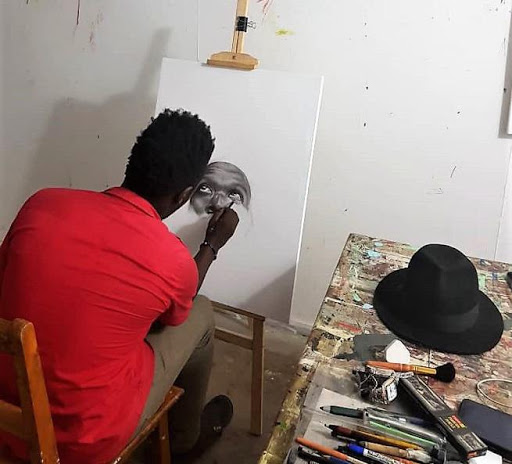
Nafasi art space is one of the safe heavens in Dar es Salaam for all types of artist. From sculptors to painters and let’s not forget photographers, nafasi art aims at expanding your artistic horizon.

Nafasi art space is one of the safe heavens in Dar es Salaam for all types of artist. From sculptors to painters and let’s not forget photographers, nafasi art aims at expanding your artistic horizon.

“ Nafasi Art Space is a vibrant art Centre and platform for artistic exchange in Dar Es Salaam, Tanzania, where contemporary visual artists and performing artists come together to create, learn, inspire, exhibit and perform.”

unnamed (3).jpg
unnamed.png

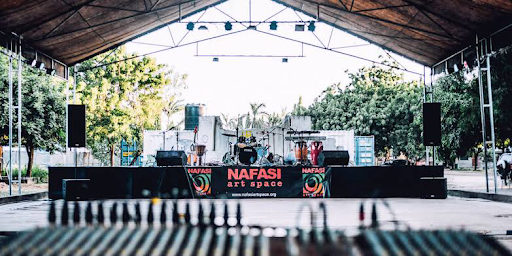
The spot hosts over 50 artists, 37 studios, and several exhibition spaces. They offer regular programs including training and workshops, art talks, and public events, such

as film screenings, exhibitions, concerts, festivals, and public art fairs. The studios are used to paint, produce music, weave, weld, sculpt and more.

It was founded in 2008 and it has provided learning opportunities to inspire and support artists in Tanzania and to give audiences and art lovers a place to experience and appreciate arts and culture.

The overall objective of Nafasi Art space is to be the leading Contemporary Art Centre in Tanzania that provides a platform for artists through development, production, and entrepreneurship in the Visual and Performing Arts by providing training, exchange, and exhibition of contemporary art locally, regionally, and beyond.

unnamed (1).png

Nafasi Art space has been a home for many art exhibition from various artists such as PichaTime photo exhibition created by Nicholas Calvin Mwakatobe ( a resident artist at Nafasi Art space). For more information search Nafasi Art Space on the web and find out what events are on. It’s a recommended place to go if you love art and culture.

Goat Racing For Charity

The Rotary Goat Races is a charity that is conducted by the Rotary Club of Dar es Salaam Oysterbay. They are also known as the JOyster Bay, a name used by many of its members and friends. This club is one of the largest rotary clubs in Tanzania

The Rotary Goat Races is a charity that is conducted by the Rotary Club of Dar Es Salaam Oyster bay. They are also known as the Oyster Bay, a name used by many of its members and friends. This club is one of the largest rotary clubs in Tanzania. They have been conducting since 2009 and has been able to unite people in hard work and service while spreading harmony. They focus in many projects that aim in issues such as literacy and education, water and sanitation and many others. 

The beginning of goat racing in Tanzania started in 2001 following Uganda’s lead. The fact that goats that could race faster existed caught people’s attention and it became a good way to make it into a charity. For the past 17 years since 2001 to 2017 it was known as Charity Goat Races. For all these years Charity Goat Races has been able to support many organisations and charities by raising millions of shillings for Tanzanians in need. 

In 2017, the Charity Goat Races came to an end. The committee of the goat races decided to take a break despite the achievements brought by Charity Goat Races. This decisions left all the followers of goat racing in sorrow and wondering why it ended. 

Rotary Club of Dar es Salaam came to pick up goat racing in 2018 when they saw how it brought an impact to the society. They then changed the name to Rotary Goat Races. They have a vision which is to change as many lives as possible through education. They began with the 2018 edition under the motto; Wakanda Goat Are You? This attracted more people to attend due to the word wakanda referring the Marvel movie “Black Panther” They also included competitions for the spectators which were best dressed couple or group. Children were also included. 

goat race 12.jpg

All funds raised will be given as charity in different community projects that support education like the scholarship program that funds university students in Tanzania. Since it was their first year as Rotary Goat Races, the outcome and response was very positive. It would be great to have another goat race in the near future.

By Edna Deus

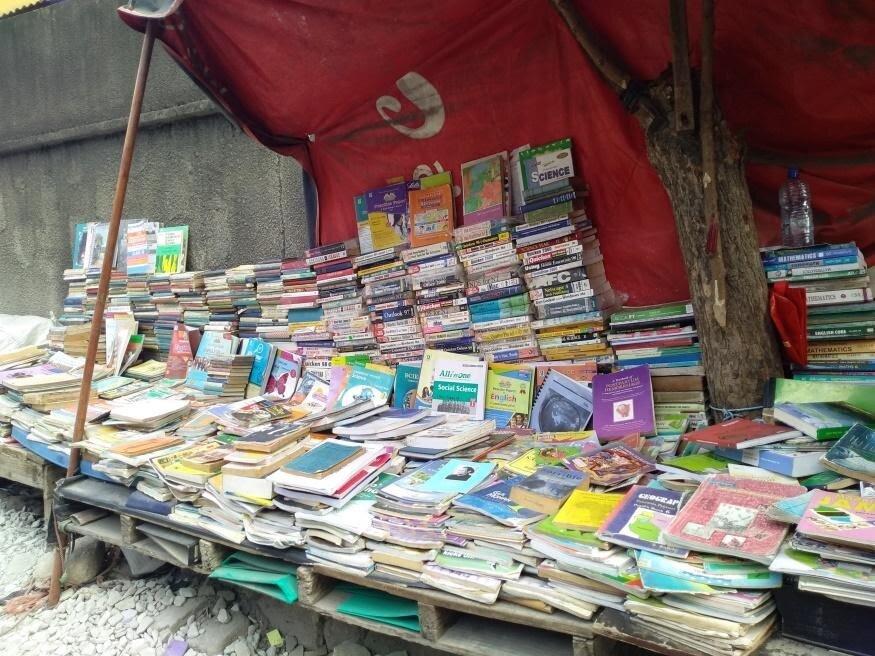
Houses, Lands; for selling books on the street

Thieves can steal everything in Dar es Salaam city but books. Apparently these could be the only properties that are left outside with no security guard because no one wants to read, people want real tangible materials.
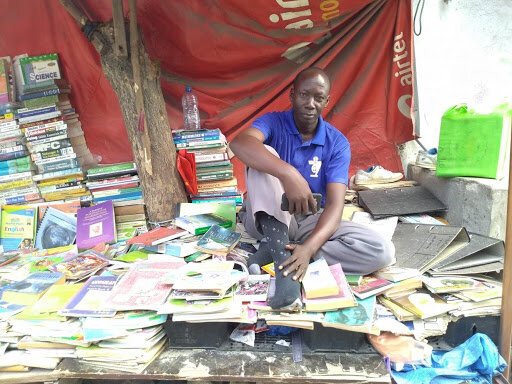
Jumanne Issa is a books seller for over 19 years whose inspiration comes from the Madrasa teachings.

Thieves can steal everything in Dar es Salaam city but books. Apparently these could be the only properties that are left outside with no security guard because no one wants to read, people want real tangible materials.

Jumanne Issa is a books seller for over 19 years whose inspiration comes from the Madrasa teachings.

Background…

The most common story that human beings share is that; each one of us has someone or something that inspires us apart from education. What education does normally is to introduce a discipline in order to remain focused, although in many cases the inspiration changes depends on the circumstances of life. But to Jumanne the story is different because his own inspiration comes from knowledge itself. Being raised in seeking knowledge environment; after completing his Ordinary Level (O-Level) certificate in 90’s, Jumanne desired to pursue the Islamic religious studies. With the financial support from his Indian friend Imran, Jumanne traveled to Kibera village located in Nairobi, Kenya where he spent 2 years learning his religion.

“From 1990 to 1997; I continued with my studies at Markazi Islamic Chang’ombe here in Tanzania right away after my return. Sheikh Al had Salum was my classmate. I was so much obsessed by seeking knowledge…still am” Said Jumanne.

Enjoying the wisdom from the knowledge he received, Jumanne thought of a better platform of which he could share it to others, then business clicked his mind. He started selling religious books in different mosques in Dar es Salaam before directing his market to the rural areas where the demand was high.

He said; “I have been to all regions in Tanzania mainland except Lindi and Mtwara, selling books for 3 years. I met different classes of people and learn so many things. At that time people had discipline in seeking knowledge, because there was no smart phones’ destruction and there was only one bookshop in Dar es Salaam, REMS”. Explained Jumanne. However in 2000, he decided to switch the business from religious books to selling all sorts of books.

Why did you switch the market?

“Starting 2000, there was a tremendously opening of new schools where the huge number of people especially students were influenced to read. I had a great customer base because these are not specific books…Lawyers, teachers, Journalists and all public and private servants would pass by here and get the books of their genre to rectify their knowledge. Buying a book was the only option to learn and having the full access to whatever the information that someone may want. People would go and comeback to share the feedback and recommend others to come.

Achievement

At this spot alone (referring to his stall at Kisutu street), it marks 19 years today, excluding the years of selling the religious books. I was able to buy lands, build houses and take my children to proper schools. I met thousands of people and created a beneficial network, just by sitting here.

Jumanne said he orders a van of about 300 books at 500,000/- which takes up to 3 months to finish.


On the contrary about 9 years later; the readership started to lessen because people were introduced to technology. People especially youths, developed an interest of reading online where they could get any type of books. 

“I don’t deny the fact that life is made easy but it came with the baggage of destruction too. Reading a hard copy and soft copy is not similar. If you ask the internet to give you one motivational book, it gives you 10 extra information that you don’t real need”. Jumanne emphasized.

So currently my customers are adults whose age range from 45 years and above; whom despite of economy fluctuation and the internet boom, are still keeping up

By Khadija Amri