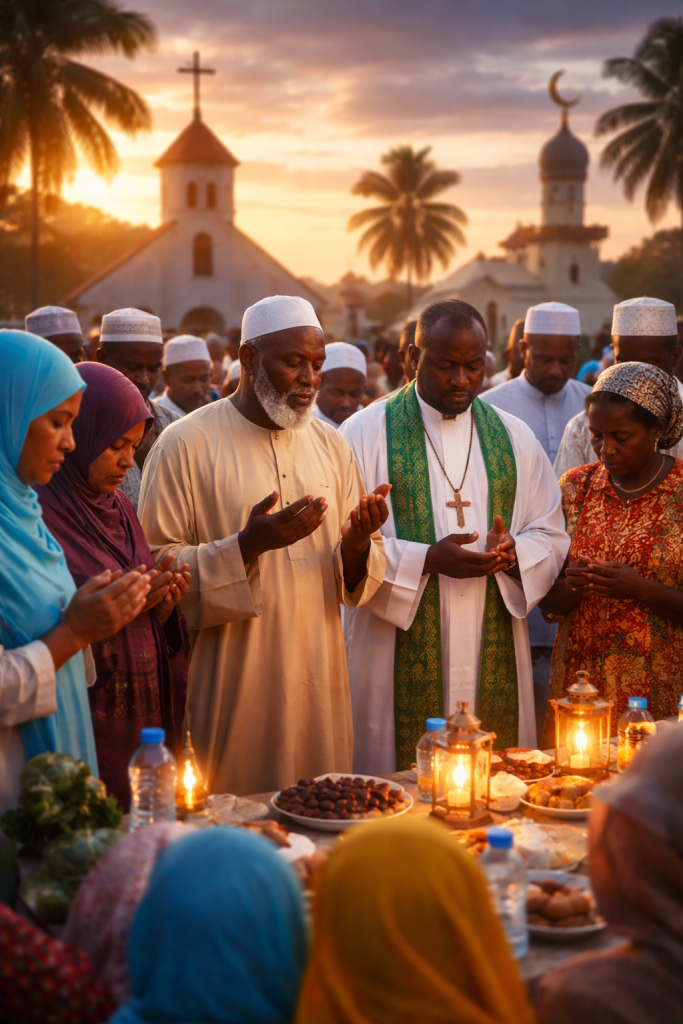
Across Africa — and especially in Tanzania — moments when Christian and Muslim fasting seasons overlap carry deep spiritual, cultural, and social meaning. When the holy month of Ramadan aligns with the Christian season of Lent, it becomes more than a calendar coincidence. It becomes a symbol of unity, reflection, and shared devotion.
Although Islam and Christianity follow different religious calendars — the Islamic lunar calendar and the Gregorian calendar — there are years when Ramadan and Lent intersect. When that happens, millions of Africans find themselves fasting, praying, and seeking spiritual growth at the same time.
A Shared Spirit of Discipline and Devotion
Ramadan is a month when Muslims fast from dawn to sunset, focusing on prayer, charity, self-control, and strengthening their relationship with God. Lent, observed by many Christians for 40 days leading up to Easter, is also a period of fasting, repentance, sacrifice, and spiritual renewal.
While the practices differ, the foundation is similar:
Self-discipline
Prayer and repentance
Charity and generosity
Reflection and spiritual growth
In Tanzania — a country known for its religious harmony — this overlap creates a powerful atmosphere. In homes, workplaces, and communities, both Christians and Muslims are intentionally drawing closer to God.
Tanzania’s Example of Religious Coexistence
Tanzania has long been recognized as one of Africa’s most peaceful examples of religious coexistence. Christians and Muslims live side by side, often within the same families. When fasting seasons overlap, it deepens mutual respect.
You may find:
Christian neighbors adjusting schedules to respect Muslim friends breaking fast at sunset.
Muslims acknowledging Christian friends attending evening church services.
Interfaith Iftar dinners and shared community meals.
Increased acts of charity that benefit everyone, regardless of faith.
In cities like Dar es Salaam, Arusha, and Mwanza, this shared spiritual season often strengthens community bonds rather than dividing them.
A Reminder of Common Values
When both faiths fast together, it reminds society of something powerful: despite theological differences, the core values of compassion, humility, and accountability before God are shared.
Fasting strips life down to simplicity. Hunger softens the heart. Prayer clears the mind. Charity strengthens the community.
In Africa — where faith plays a central role in daily life — this overlap often leads to:
Increased generosity toward the poor
Greater patience and forgiveness
Heightened awareness of moral responsibility
A visible culture of prayer
Beyond Religion: A Social Impact
This shared fasting period can also influence national mood and civic life. Leaders often call for unity, peace, and reflection. Media outlets encourage dialogue. Religious institutions collaborate on charity drives.
In a continent sometimes portrayed through the lens of conflict, moments like these tell a different story — one of coexistence and shared humanity.
A Symbol for the Future
When Ramadan and Lent fall in the same month, it is not about blending religions. It is about respecting difference while recognizing shared devotion to God.
For Tanzania and much of Africa, this alignment becomes a symbol:
Unity without uniformity
Faith without division
Diversity without conflict
It reminds us that even with different paths, communities can walk side by side.
As millions bow in prayer — some facing Mecca, others kneeling in churches — the message is clear: spiritual growth, humility, and compassion are universal values.
And in a world often divided by belief, that shared month of fasting may be one of Africa’s quiet but powerful testimonies to peace.
In a year marked by both personal challenges and quiet triumphs, romance literature has remained a steadfast source of comfort, joy, and escape. Within the pages of these novels, readers are invited into vivid worlds where love, resilience, and emotional growth take center stage. From sun-soaked summer romances to tender second-chance narratives, each story offers an immersive experience that blends passion, humor, and heartfelt introspection.
These novels do more than entertain; they provide moments of reflection and reassurance. Through compelling characters and thoughtfully crafted relationships, they explore themes of healing, self-discovery, and the enduring power of connection. With every chapter turned, romance literature reminds us that love—in all its forms—continues to inspire hope and possibility. Below are several standout titles that left a lasting impression this year.
It Happened One Summer by Tessa Bailey Set against the backdrop of a small coastal town, this contemporary romance follows Piper Bellinger, a glamorous socialite forced to reassess her priorities after an unexpected relocation. Her clash with Brendan, a reserved local fisherman, evolves into a dynamic and engaging love story. Bailey delivers a vibrant narrative filled with charm, emotional depth, and undeniable chemistry.
The Love Hypothesis by Ali Hazelwood Blending academia with romance, Hazelwood’s novel centers on Olive Smith, a PhD candidate skeptical of long-term relationships. A chance encounter leads to a fabricated romance with Adam Carlsen, a formidable young professor. What begins as a ruse slowly transforms into something genuine, offering readers a witty, intelligent, and emotionally rewarding journey.
The Spanish Love Deception by Elena Armas Set between New York City and Spain, this novel follows Catalina Martín, who finds herself in need of a date for her sister’s wedding after fabricating the existence of an American boyfriend. Enter Aaron Blackford—her confident and seemingly aloof colleague—who unexpectedly offers his help. As pretense gives way to authenticity, Armas delivers a passionate and engaging story rooted in tension and emotional vulnerability.
Things We Never Got Over by Lucy Score This small-town romance introduces Naomi, who arrives in Knockemout to help her estranged twin sister, only to be left caring for an 11-year-old niece. Her unlikely bond with Knox, a guarded and gruff local, forms the heart of this story. Through themes of trust, family, and second chances, Score crafts a deeply moving narrative that underscores love’s ability to heal.
The Duchess Deal by Tessa Dare For fans of historical romance, this Regency-era tale offers wit and emotional richness. Emma, a seamstress, enters a marriage of convenience with the scarred Duke of Ashbury. What begins as a practical arrangement gradually evolves into a tender and transformative romance, filled with humor, warmth, and unexpected intimacy.
Good Girl Complex by Elle Kennedy Kennedy’s novel explores identity and self-worth through Mackenzie Cabot, a young woman accustomed to meeting others’ expectations while suppressing her own ambitions. Her connection with Cooper Hartley—a local outsider—forces both characters to confront personal truths. The story balances romance with themes of growth, independence, and emotional resilience.
From Lukov with Love by Mariana Zapata This slow-burn sports romance follows competitive figure skaters Jasmine Santos and Ivan Lukov. Their professional partnership is marked by tension, ambition, and gradual emotional closeness. Zapata’s strength lies in her rich character development, making this story both heartfelt and deeply satisfying.
Collectively, these novels highlight the enduring appeal of romance literature. Each offers a distinct perspective on love, personal growth, and emotional connection, leaving readers with stories that resonate long after the final page. In times of uncertainty, such narratives serve as a reminder of love’s transformative power and its ability to bring light, even in the most challenging moments
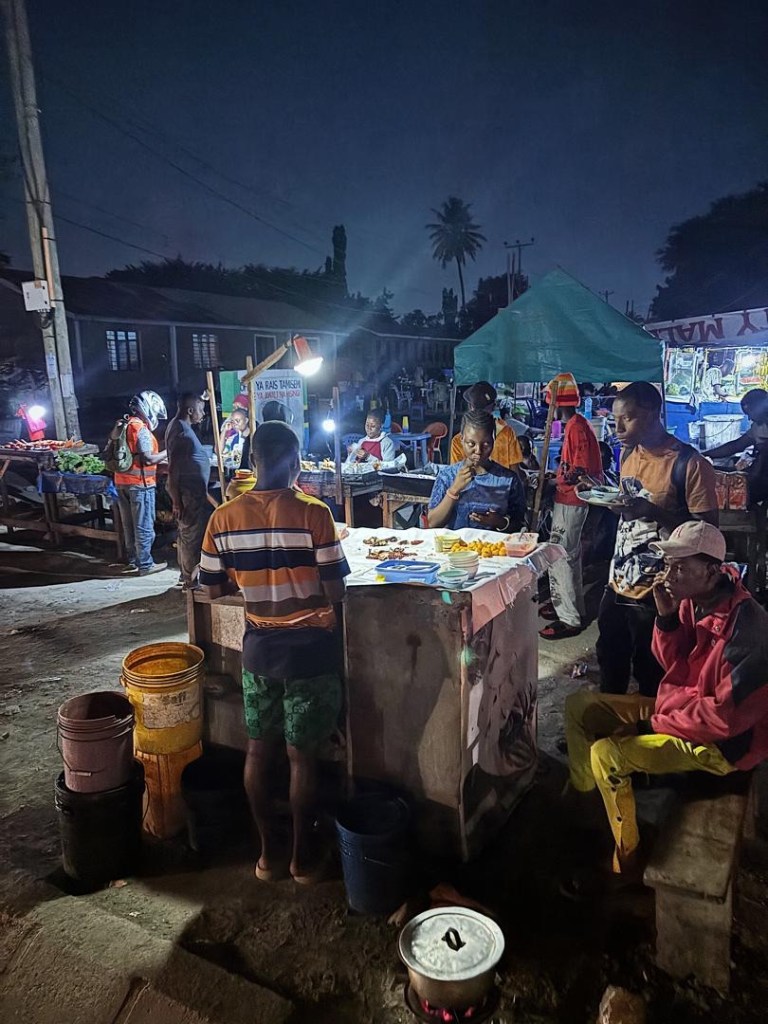
Evenings in the streets of Dar es Salaam with the vast food stalls feels like a survival game for your wallet, will it be safe tonight or will you go home knowing you have gone over the budget? You get down from the bus with one goal in mind, to reach home. However, you spot a table that sells seafood, and you lose focus. I am sure it has happened to most of us.
With these vibrant tables that sell seafood like calamari for two hundred shillings per piece, grilled beef on sticks famously known as ‘mishkaki’ and plantain smoked to perfection offered at five hundred shillings per piece. Hot chapatis served with different side dishes like beans and meat stew for a generous price of three thousand shillings and not forgetting the chips stalls that taste better than home-made chips, how can you resist?
To make these spots more attractive to passerby’s, vendors place benches, chairs and makeshifts table so their customers can sit. In exchange, meals are bought and discussions about social issues are made between strangers. “I didn’t plan on coming here, I was just passing then I saw the seafood table” said Edna while picking up more calamari pieces from the table with a toothpick. “I can spend almost two thousand shillings here, there are affordable, and they satisfy my cravings.”
While some people eat out in the streets because of cravings, others do so since it is the only affordable option. These spaces become more than food stalls, it is where some people have all their meals at times. According to Juma, a chapati seller in Tabata Shule, he starts making chapati around 7pm to target people who are coming back from work. Another passerby informs a person next to them, “we need to get fried fish, cook it and eat it with ugali and our day is over”.
That is the quiet truth, for those with minimum income, these vendors are essential. They make sure that the bajaj driver heading home after a long day driving and a university student have a chance to grab and eat a good meal even on a tight budget.
Street food vendors are a necessity, they are the ones who make it possible for thousands of Dar es Salaam residents to eat every day, without them, daily life in this city would be much harder.
Released on February 8, 2023, the album H.I.K.I marks a significant creative step for the artist Ebreezy. The title itself — H.I.K.I — stands for High Inspired Kept Kingdom Instincts, giving us a glimpse into the conceptual framework behind the project.
Context & Artist Background
Ebreezy is an artist whose work spans multiple facets of modern musical expression, blending influences and personal narrative. While detailed biographical material isn’t copious, his discography shows a continuing evolution in both sound and ambition. The release of H.I.K.I comes after previous works such as “Girls Ain’t Innocent” (2022) and the EP Wat’s In The Vault Pt. 2.
By choosing the subtitle “High Inspired Kept Kingdom Instincts,” Ebreezy hints at a commitment to authenticity (“Kept”), sovereignty of self (“Kingdom”), and tapping into innate creativity (“Instincts”). The “High Inspired” portion suggests striving toward elevated vision or purpose.
Tracklist & Musical Flow
The album consists of eight tracks, totaling approximately 30 minutes. Here is the tracklist:
Intro (hapa)— 2:47 Twende — 4:00 Mpishi — 4:26 Kwanini We — 4:12 This Town — 3:50 Ukweli wa Amani — 4:19 Mawazo — 3:37 Outro (Paa/Ngangara)— 3:31
Musically, the album weaves through reflections on place (“This Town”), internal dialogue (“Mawazo” which means “thoughts” in Swahili), and a broader peace-seeking (“Ukweli wa Amani” translates roughly to “Truth of Peace”). The use of Swahili titles suggests cultural layering and invites listeners to interpret identity and experience through a diasporic or multilingual lens.
Themes & Highlights
Identity & Place: With songs like “This Town,” Ebreezy explores a sense of belonging or dislocation, perhaps both the literal and metaphorical town one inhabits and the internal town of self. Reflection & Instinct: Tracks such as “Mawazo” and “Kwanini We” (which could be interpreted as “Why Us?” or “Why You?”) delve into self-reasoning, questioning, and introspection. Peace & Truth: “Ukweli wa Amani” stands out for its thematic weight: truth and peace are presented as intertwined, suggesting a spiritual or philosophical core to the project. Cultural Language Play: The mixture of English with Swahili (and potentially other languages or influences) gives the album a textured feel, and invites listeners from varied backgrounds to engage with its layered meanings.
Production & Sound
The sound of H.I.K.I reflects precision, intention, and balance — eight tracks and thirty minutes of pure cohesion. Rather than reaching for commercial appeal, Ebreezy curates an experience that feels deliberate and tightly woven. Every beat, vocal layer, and instrumental texture speaks to a deeper vision: one rooted in instinct, collaboration, and authenticity.
Behind the scenes, a powerful creative collective helped bring that vision to life. Hardworknation Marketing Company provided unwavering support and direction, ensuring that every detail aligned with the project’s essence. The sonic craftsmanship unfolded across borders, with contributions from Soundking, Little Africa, Asili Sound, 6 Records, and E.F.N — connecting studios in Switzerland, Tanzania, and the United States.
The production energy of GQ, Kichwa Touch, Eric Wilson, Domi Beats, Black Culture, Sajo, and Rage Infinite Producer infused H.I.K.I with its dynamic texture and emotional resonance. Visually, Ezra Brown and Mr. Filly translated the album’s depth into a striking design that mirrors its spiritual and creative tone.
The project’s poetic and vocal layers were further elevated by Mac Leisian, Asteria Official (TZ Poets), MC Koba TZ, Britney Marie, and Torrence Bristaw, guided the coordination between process with precision each adding rhythm, reflection, and soul. Charissa Stephens harmonies added warmth and textedture to the soundscape , Abbas Max brother
Together, this collective transformed H.I.K.I into more than just an album — it became a movement. A manifestation of Highly Inspired Kept Kingdom Instincts, where intuition meets discipline and collaboration breathes life into art.
Listeners will notice a seamless blend of mid-tempo rhythms, introspective lyricism, and cultural inflections that set this project apart from mainstream releases. The album leans toward artful exploration rather than formulaic radio singles — though tracks like “This Town” show strong crossover potential. Songs such as “Mpishi” (“cook” in Swahili) reveal Ebreezy’s layered storytelling, using metaphor to speak about creativity, process, and self-evolution.
Why It Matters
It showcases an artist choosing intention over mass volume: shorter tracklist, maintained theme. It marries cultural roots (via language and titles) with universally relatable themes (identity, place, peace). It positions Ebreezy as someone to watch: creative, reflective, and unafraid of nuance. In a music landscape often driven by singles and streaming fluff, H.I.K.I stands out as a cohesive body of work.
Final Thoughts
H.I.K.I is more than an album—it is a statement. Through the lens of “High Inspired Kept Kingdom Instincts,” Ebreezy invites listeners into his world: one shaped by thought, culture, place, and purpose. Whether you’re drawn to rich lyricism, cross-cultural texture, or just good music that has something to say, this project is worth exploring.
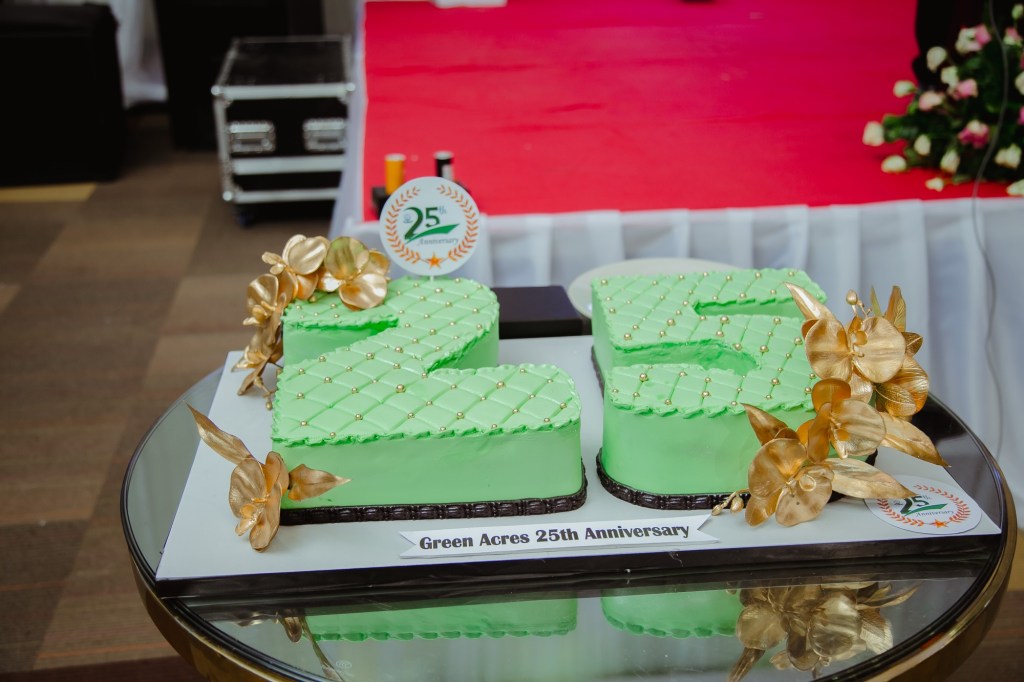
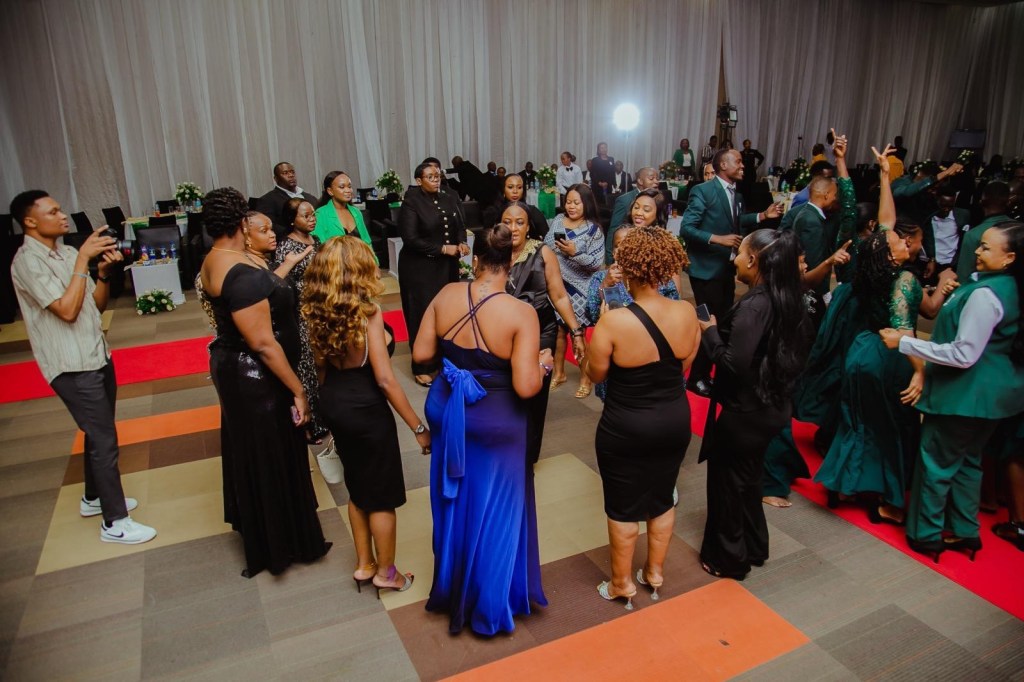
as Green Acres celebrates 25 years of shaping minds and building futures, we sat down with Jacklyne Rushaigo, Managing Director of Green Acres, to reflect on the school’s journey — from its founding vision to the milestones, challenges, and hopes that continue to guide its path forward.
1. The Original Vision and Its Fulfillment
Q: When Green Acres was founded 25 years ago, what was the original vision?
A: When Green Acres was founded 25 years ago, the original vision was to create a holistic learning environment that didn’t just focus on academic excellence but also nurtured well-rounded individuals. We envisioned a school that would foster critical thinking, creativity, and a strong sense of community, all while instilling Tanzanian values and a global perspective. We wanted to be a place where every child felt valued and empowered to reach their full potential, not just in their studies but as contributing members of society. I believe we’ve come incredibly close to fulfilling this vision. Our students consistently excel academically, but more importantly, they graduate as confident, compassionate, and engaged young people. We see them initiating community projects, embracing innovation, and becoming leaders in various fields, both locally and internationally.
2. Early Challenges and Their Impact
Q: What were some of the early challenges Green Acres faced, and how did they shape the school?
A: The early years of Green Acres were certainly not without their hurdles. One of the biggest challenges was establishing credibility and trust among giant Government schools. As a new school, we had to prove our commitment to quality education and our unique approach. This meant investing heavily in qualified teachers and ensuring our facilities met high standards, often with limited resources. We had to be innovative in our recruitment and professional development, focusing on continuous learning and creating a supportive environment for our staff. These challenges profoundly shaped Green Acres into the institution it is today. They instilled in us a deep sense of resilience and adaptability. We learned to be resourceful, to prioritize our investments wisely, and to continuously innovate.
3. Evolution Over 25 Years
Q: How has Green Acres evolved over the past 25 years?
A: Green Acres has evolved significantly over the past 25 years in several key areas:
● Curriculum: While our core commitment to academic rigor remains, our curriculum has become far more student-centered and inquiry-based. We’ve integrated more project-based learning, technology, and real-world applications to make learning more engaging and relevant. For example, our science labs are now equipped with advanced technology, and we’ve introduced entrepreneurship programs that allow students to develop their own business ideas.
● Student Outcomes: Beyond just academic results, which have consistently improved, we’ve seen a marked increase in our students’ global awareness and civic engagement. They are more confident communicators, critical thinkers, and active participants in community development initiatives. Our alumni are pursuing diverse paths, from medicine and engineering to entrepreneurship and creative arts, both in Tanzania and abroad, demonstrating the breadth of our impact.
4. Green Acres’ Proudest Achievement
Q: What do you consider the school’s proudest achievement?
A: Without a doubt, Green Acres’ proudest achievement to date is the impact our alumni are making in Tanzania and beyond. Seeing our graduates become leaders, innovators, and compassionate citizens who are actively contributing to positive change is the ultimate validation of our mission. For instance, we have alumni who are now successful medical professionals, lawyers, teachers, engineers, architects and so on. Their collective success stories are a testament to the strong foundation they received at Green Acres and our most cherished legacy.
5. Leadership Philosophy
Q: What is your leadership philosophy at Green Acres?
A: My leadership philosophy at Green Acres has always been rooted in empowerment and collaborative growth. I believe in fostering an environment where every member of the school community – students, teachers, and staff – feels empowered to take ownership, innovate, and contribute their unique strengths.
6. What Makes Green Acres Different
Q: What sets the Green Acres learning environment apart from other schools?
A: What truly sets the Green Acres learning environment apart from other schools is our unwavering commitment to nurturing individual potential within a strong community framework. We don’t just focus on academic results; we prioritize the holistic development of each child. We pay more attention to individualized student attention, emphasis on character development, vibrant extra-curricular programs, and a strong sense of familyhood.
7. Role of the Alumni Community
Q: What role has the alumni community played in Green Acres’ legacy?
A: The alumni community has played an absolutely vital role in shaping the Green Acres legacy. They are our most powerful ambassadors and living proof of the school’s impact. Their contributions extend beyond mere financial support; they actively mentor current students, share their experiences, and inspire the next generation.
8. School-Community Relationship Development
Q: How has the relationship between Green Acres and its surrounding community evolved?
A: The relationship between Green Acres and its surrounding community has developed from one of initial establishment to a deeply integrated and mutually beneficial partnership. In the early years, our focus was primarily on building our school and establishing our presence. Over time, however, we realized the immense value of actively engaging with our neighbors. We’ve moved beyond being just a physical presence to becoming an integral part of the local fabric.
9. Hopes and Goals for the Next 25 Years
Q: What are your hopes and goals for Green Acres in the next 25 years?
A: As we look ahead to the next 25 years, my hopes and goals for Green Acres are ambitious yet firmly rooted in our foundational vision:
● Deepening our Impact: I envision Green Acres becoming an even greater force for positive change in Tanzania. This means expanding our outreach programs, particularly in areas of teacher training and curriculum development for underprivileged students, sharing our expertise more widely.
● Embracing Innovation: We aim to be at the forefront of educational innovation, integrating cutting-edge technology and pedagogical approaches to prepare our students for a rapidly evolving world. This includes exploring AI in education and further developing personalized learning pathways.
● Sustainable Growth: We plan for sustainable growth, ensuring that any expansion of our facilities or programs maintains our high standards of quality and our close-knit community feel. This also includes a strong focus on environmental sustainability within our campus operations.
● Strengthening Alumni Network: We will further cultivate our alumni network, creating even more robust mentorship programs and platforms for them to collaborate and contribute to the school’s ongoing success and the development of Tanzania.
10. Message to Current Students, Staff, and Alumni
Q: Do you have a message for the students, staff, and alumni of Green Acres on this milestone?
A: As we reflect on this incredible 25-year milestone, my message to our current students, dedicated staff, and cherished alumni is simple yet profound: To our students: You are the heart of Green Acres. Embrace every opportunity, learn with curiosity, and always remember the values instilled in you. Dream big, work hard, and never stop striving to make a positive difference in the world. The future is yours to shape, and we have every confidence in your ability to lead with integrity and compassion. To our staff: Your unwavering dedication, passion, and commitment are the bedrock of Green Acres’ success. You are not just teaching subjects; you are shaping futures, inspiring minds, and building character. Thank you for your tireless efforts, your innovative spirit, and for creating such a nurturing environment for our students. Let’s continue to learn and grow together. To our alumni: You are our living legacy. Your achievements fill us with immense pride, and your continued engagement is invaluable. Remember the lessons learned within these walls, carry forward the spirit of Green Acres, and continue to be ambassadors of excellence and service wherever you go. Your support, guidance, and inspiration are crucial as we embark on the next 25 years.
Together, we have built something truly special. Let’s celebrate this quarter-century of excellence and look forward to an even brighter future for Green Acres!
Despite the tension about deportation and detention of rights activists between Kenya and Tanzania, Saturday May 17, proved to be a pivotal day for diasporans from East Africa, who gathered for food, drinks and music in the city of Baltimore, Maryland, USA, in this years of Swahili Night.
It was an “All You Can Eat” menu of Swahili food, good music and chilled vibes. The night’s events began at around 7pm Eastern Daylight Time (EDT), with a welcome by the MC, Voice of America Swahili Anchor Sunday Shomari
Dj Benny was spun a riveting mix of bongo flava, Lingala, taarab, benga and rhumba tunes from both the old school and more contemporary genres.
The menu comprised sumptuous, exquisite East Africa delights, including nyama choma, samosas, biriani, pilau, mandazi, fried fish, goat soup and sukumuwiki (Kale)
To wash these delicacies smoothly down was spiced East African tea with a touch of Zanzibari cloves and exotic spices. This provided a mix of sweet, sour, and spicy flavors that engaged the attendees taste buds.
The Swahili Night goes back to the early 2000s. Guests came from a range of states in the US including Florida, New York, Virginia, the Federal Capitol Washington DC and Virginia
Nationalities represented included Tanzanians, Kenyans, Ugandans, Congolese and Americans. The events was headlined by famous Tanzanian rappers Ibrahim Mussa aka Roma Mkatoliki and David Mlelwa aka Young Dee.
According to the MC Shomari, Swahili Night is important because of its centrality in preserving the cultural identity of East Africans. It reinforces the strong cultural heritage among East Africans in the diaspora while transferring cultural norms, mores and traditions to the younger generation of East Africans born in the USA
Swahili night also affords East Africans a platforms in the US to assert their presence in a political environment that can become xenophobic and unwelcoming to foreigners. Mr Shomari said: “Swahili Night provides networking opportunities for East Africans to connect with each other over food, music and camaraderie.”
With the current tensions between Nairobi and Dodoma over the deportation and detention of Kenyans attempting to attend the trial of opposition leader Tundu Lissu, Swahili Night affords the diaspora community of East Africans a chance to come together in a unity, solidarity and consanguinity
The Tanzanian rappers freely mingled with guests. The air was filled with a varied tone of voices enjoying the evening in conversation, laughter and exaltation as attendees danced to the pulsating music rolling off the discs of Dj Benny’s system.
Carol, a Kenyan in Maryland, who attended the event said: “This event is an important part of the annual calendar for East Africans. It is must-attend social jamboree that brings together a mosaic of nationalities, cultures and races”
Ogum from Uganda said, “Im glad to see we had matooke on the menu. The Spices used are Zanzibari, which gives the matooke a flavor a bit different from what i am used in kampala. I liked it though”
Most attendees shied away from discussing the political firestorm that was occurring 8000 miles away in both Kenya and Tanzania over deportations and detentions of Kenyan activists and legal literati.
However, Edward Mariga from Kenya was bullish in his opinion of the deportations arguing the suluhu administration had panicked and acted in an overhanded manner. Something not good for the East Africans Community He stated that i am disappointed with the treatment of Martha Karua and former Cj Willy Mutunga. Their Deportation from Tanzania for simply wanting to attend the trial of a major Tanzanian political figure is unnecessary and undiplomatic
This meeting of East Africa diaspora created a forum for East Africans to network, socialize and build human to human contacts which enhances the warmth, Africanness and unity of being East Africans in the diaspora
n a world where beauty standards are constantly evolving, MariaClementina Beauty stands out as more than just a cosmetics brand—it’s a movement. Founded in 2019 in the heart of Maryland, this brand began humbly in a home studio but has grown into a beacon of empowerment, cultural pride, and authentic representation.
From the Runway to Radiance
MariaClementina’s path to entrepreneurship began on the runway. For a decade, from 2009 to 2019, she worked as a model—an experience that illuminated the glaring gaps in the beauty industry. Time and again, she found herself in makeup chairs where the artists weren’t equipped to work with deeper skin tones. The lack of inclusivity extended beyond foundation shades—it was a systemic issue of invisibility.
Rather than settle for a seat at someone else’s table, MariaClementina set out to build her own. Her modeling journey, marked by both glamour and frustration, inspired her to create a brand where diversity isn’t a trend—it’s the foundation.
A Name with Meaning
The name “MariaClementina” carries a powerful story of healing and self-affirmation. For much of her life, she was known simply as “Maria.” But in 2017, following a deeply traumatic experience, a stranger reminded her of the strength and identity embedded in her full name. That encounter transformed her perspective. Reclaiming her full name became an act of empowerment—and a promise to never diminish herself again. Today, that promise lives on through her brand.
Redefining Beauty Standards
Since its inception, MariaClementina Beauty has embraced a mission that goes beyond products. The brand entered a market that was beginning to stir with calls for inclusion—fueled, in part, by the success of Fenty Beauty’s wide range of foundation shades. While progress has been made, MariaClementina knows the journey is far from over.
“There’s still so much work to do,” she says. “Underrepresentation is real. My goal is to create products for all skin tones and types—not just what’s popular.”
Culture in Every Touch
What truly sets MariaClementina Beauty apart is the personal experience it offers. As a first-generation Tanzanian, MariaClementina brings her rich cultural heritage into every booking. From her chair, clients don’t just walk away with flawless makeup—they leave with a sense of affirmation. Her mantra? “Be-YOU-t-FULL.”
Each product tells a story, with names inspired by Swahili and Luhaya languages—a tribute to her Tanzanian roots. Through this, she’s not just celebrating beauty, but also sharing culture, language, and identity in a space that often overlooks them.
A Future Fueled by Vision
The beauty industry has evolved in recent years, embracing cleaner, more ethical products and widening the lens of inclusion. MariaClementina Beauty is pushing those boundaries further by offering vegan cosmetics and skincare solutions that prioritize both people and the planet.
From a home studio in Maryland to a growing voice in the beauty world, MariaClementina’s journey is a reminder that beauty is more than skin deep—it’s about belonging, identity, and the courage to create space where there was none.
Connection between people in today’s world happens mostly in the digital form. With rapid increase of different social media apps and use of emails, the world has become easier for people to meet without going outside. This has led to the rise of dating apps which has made it easier to find relationships whether platonic or romantic. However, creating a profile and swiping through potential matches brings you to the realization that payments are needed to engage with someone. This revelation leaves you with disillusionment and disappointment.
From Tinder to Bumble and niche platforms as eHarmony, the mechanism of requiring payment just after luring in users with the promise of free access to the app or website kills all motivation of continuing with the apps. When you download dating apps most of them are advertised as free and this prompts many to take a chance. After creating a profile, swiping, liking and messaging it seems to feel as the best deal. This is until the limitations of your “free” membership shatters all hope of using dating apps unless you’re willing to pay for packages that are offered.
Before we dig deeper on the payment matter, we cannot neglect that dating apps have helped make connection between many people. Many relationships whether platonic or romantic have been able to happen because of these platforms. Some of these people if asked can even say it’s worth the payments for the subscription if it would lead to a successful relationship on their end. But that’s just it, paying for the apps is still not a full proof plan because you never know if it will fail or not.
Monetization of apps is not unique in any way and so the matter is not necessary about the money but the shift of expectations. The whole process of signing for a dating app is for the hope of meeting someone and this changes to being cornered to pay to secure your future in romance. This changes the meaningfulness of being in a genuine relationship. And subscribing does not mean that you may get your soulmate. A lot has happened in dating apps such as scams, catfishing, ghosting and many more. This makes you wonder what if you do pay for the app but get disappointed with it, just making you lose money for a bad experience.
Not all dating apps are deceitful though. Some show you their offers from the beginning, about what you get when you download the app and what features are supposed to be paid for. This makes it easier to know what you are walking into without being manipulated for an experience. Yet the trend for monetizing romantic connections remains widespread, making many people distrust the process. And for those who refuse to pay, their options become very limited. They are forced to spend time swiping and hoping to get a match and, in the end, leading to abandon the app altogether.
The act of bringing up subscriptions while a user has no idea that the “free” part of the dating app is only for making a profile is very harsh. It shows that the deceit done by owners of these platforms is due to their greediness. It feels like they trapped you when you sign up to meet someone but are given a choice to either pay or delete your profile. The thought of letting go your process that you have done until that moment feels heavy, making you to start wondering if paying is the best option to meet someone.
Either way, being let down by paywalls in dating apps goes beyond the cost itself. It’s about the realization that even when finding love, money comes first. This depresses many to discover that the easier way to find a relationship involves a price tag. Dating should feel natural, but when you must pay to talk to someone, it starts to feel fake. And this takes the joy out of it. The disappointment lies there with commercialized structure of modern online dating.












 The Tanzanian Times