
Natural Home Remedies

Nothing beats taking charge of your own health and healing by discovering how to achieve total health of the mind, body, and spirit. There is a variety of methods including diet, hydrotherapy, positive attitude, relaxation, yoga, chiropractic, natural remedies and more to achieve total health. Today, let us focus on natural remedies .

It is fascinating how there is natural healing powers in herbs plants. And in Tanzania, we are lucky to have been surrounded by an abundance of it . Here are some natural remedies that I have put together for you . Enjoy.

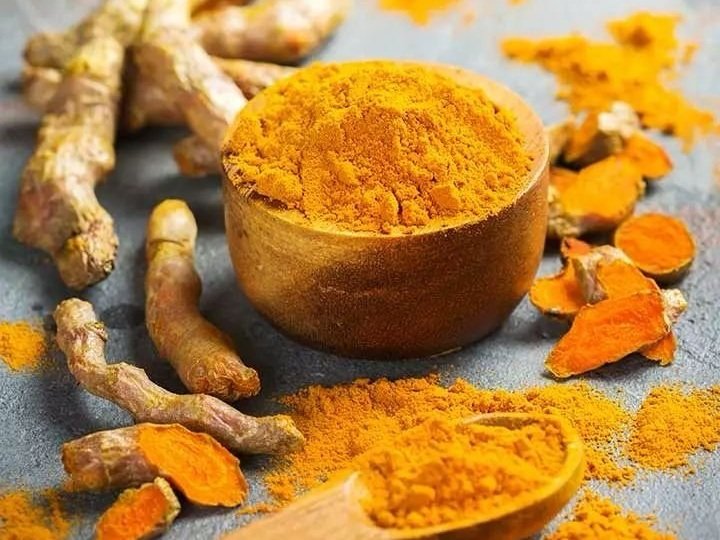
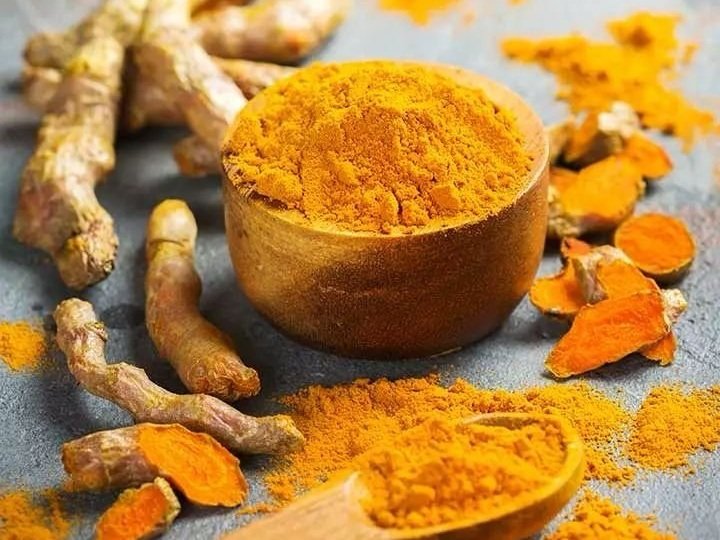
First of , TURMERIC :

This spice has been super hyped as having the option to assist with different circumstances from joint inflammation to greasy liver. There is an early examination to help this. Different cases, for example, recuperating ulcers and assisting with skin rashes after radiation are inadequate with regards to verification. Assuming that you attempt it, don’t go overboard: High dosages can lead to stomach related issues.

Turmeric is also an excellent source of: Manganese,Iron,Potassium, Omega-3 fatty acids and dietary fiber.

For better results, turmeric should be taken with black pepper, heat , healthy fats or Quercetin (this is a purple plant pigment found in berries, onions, and grapes)

The standard dosage of turmeric is two teaspoons a day . You can either mix it with your warm milk and drink or even mix it in your smoothie.

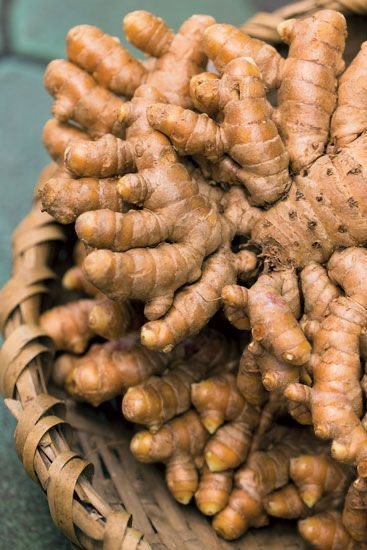
Next Up , GINGER:

Ginger has been used for thousands of years in Asian medicine to treat stomachaches, diarrhea, and nausea, and studies show that it works for nausea and vomiting.

One teaspoon of raw ginger contains 0.1 milligrams (mg)

of vitamin C. It

also contains small amounts of calcium, magnesium, and other minerals. It contains nutrients and bioactive compounds that may have a range of benefits for your body and brain.

You can use ginger fresh, dried, powdered, or as an oil or juice. It features in many recipes as well as processed foods, home remedies, and cosmetics.

Third on the list today , HONEY:

Raw honey has been utilized as a cure since the beginning of time and has an assortment of medical advantages and clinical purposes. It’s even utilized in certain emergency clinics as a treatment for wounds.

Honey offers several potential health benefits thanks to the beneficial compounds it contains, such as antioxidants and propolis.

Also, know that children under 1 year shouldn’t eat honey, as it’s associated with a risk of botulism.

These 3 natural remedies are common ingredients in our homes and very useful . An amazing way to heal yourself at home but always remember to contact your health care provider.

By Laila Mohammad

The Culprit Behind Adults Pain

I am 73 and never in my life did I have the audacity to be myself. Sometimes in the middle of night I feel like I am suffocating and think that this is all for me…I have wasted my life essentially lived as per what society suggested. I have no one to blame and I feel sad’ lamented Alice when asked what regret does she feel after becoming older! 
If you don’t touch it, it won’t harm you’ 

may not be a very well-known saying but it certainly is a lifestyle that many of us are living with and might be the very reason to why we do not talk about death…Wait!! Don’t skip this page let us all face this reality for once because obviously death is simply passing away where every part of the body becomes deceased but there is another type of death where the body is active but the heart and minds become dead, I would call it loneliness. 

Believe it or not; loneliness is one of the most unspoken issues among the African communities especially in Africa and across the Globe because many people refer to it as an indication of strength while considering it a régime to mask their troubles. Unfortunately there is a significant figures of the victims who are secretly suffering from unimaginable number of pains and are willing to spend millions of pennies on several culprits to protect their suffering. Today, this magazine will discourse about this common culprit for adults’ pain which has left incurable effects to the societies.

What is the pain?

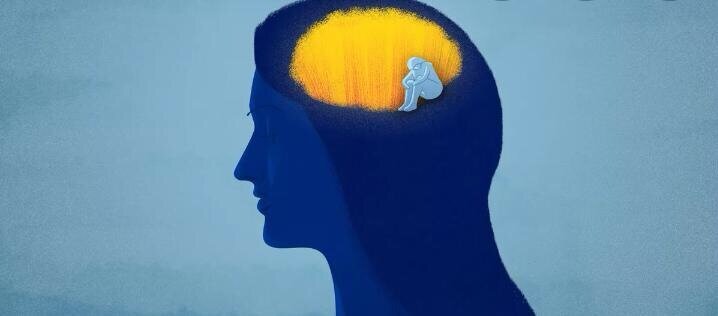
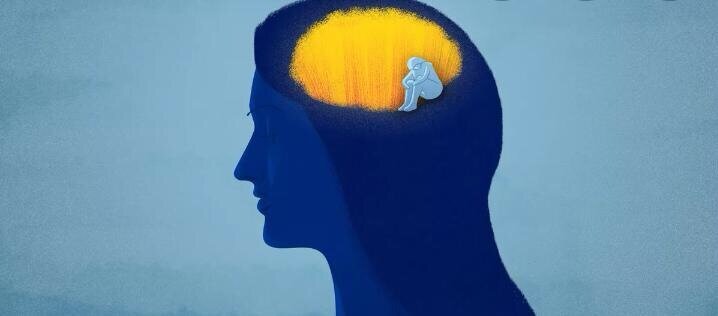
Unquestionably; in a world full of vast devices to keep the minds busy from worrying about our prescribed lifespan; both youngsters, adults, wives, strangers, patients, doctors and every normal human being all share a common fear of loneliness. Loneliness is the state of feeling emptiness inside someone’s mind, soul, body or heart, (regardless how much a person may be owning); where as the results, it leads to an individual’s unwise decisions which may also yields to unhealthy preoccupations such as an obsession of the body image.

The 90% of those whose focus has been invested on image obsession has either performed plastic surgeries or at least considered anti-aging prescriptions because they thought the problem is more physical than mental. On many exclusive researches conducted to find out why themajority of adults spend quite mercilessly on anti-aging products, it was finally discovered that the main cause to the act is the fear of beingempty, lonely and eventually becoming invisible to their loved ones and society in general.  

At least every year the World spends about $ 274 billion on the anti-aging products while the media has tirelessly encouraged all ages on how important it is for them to look younger on a daily basis. Although on the outside the entire anti-aging campaign may look like it is about the beauty but it seems to be a completely different agenda on the inside because when a group of adults asked why are they scared to look or get older; the top answers were all pressed back to the fear of pain, poverty, becoming vulnerable and abused. Who will take care of me? What will happen when I get ill? The fear of getting treated with humiliations in the hands of those who may not even be related to them and the costs that may be used for instance in the West to take care of elders; altogether spice up this pain. The good news is there is still hope for a better change as far as people are willing to share and learn.

What is Tanzanians’ acuity on the matter?

On the other hand; the courage of whether or not to communicate and implement about this pain seems to differ and have taken a unalike approach at least for the participants of this survey whom I believe are representatives to the majority of the country because many of them felt uncomfortable to address this. Some of them seem to have believed that loneliness is a part of faith hence no one should rise a concern about it, while others are uncertain if this is a problem or not.

Apparently when both youths and adults of 21-75 years old interviewed, they admitted to have experienced on the feeling and urge that it is unavoidable circumstance unless one chooses to live a useful life.

 ‘I celebrated a lovely 25 years’ old birthday last week with family and friends and felt so happy but I assure you on the inside I was somehow worried on becoming older because I can relate how different this birthday celebration is from a 19 years old one. The people’s engagement, the mindset, the dependence…all these were seem to be freely accessible but the more I aged; the desperate I become’’. Said Sylvia a fourth year Medical Student at Muhimbili, adding that her hard work has been a motive to worry less.

There has been an incredible rise of beauty shops in Dar es Salaam region alone which is the business city where 7 of 10 people you meet have somehow tried to mask their loneliness through the beauty concept.

By Khadija Amri

When Sibling Becomes Strangers

After two months of going missing not only from her family but friends and co-workers; her concerned close friend decided to anonymously inform The Tanzanienne 

After two months of going missing not only from her family but friends and co-workers; her concerned close friend decided to anonymously inform The Tanzanienne over Suzanne’s quietness. She briefly explained how hardworking and committed is her friend but something has always seemed to be off. 

‘You can read all the sadness written on her face; from the body language to the negative energy surrounds her for whoever comes near her presence, but never for a minute has she opened her mouth to express what is it that bothers her! She has so far been to more than six jobs but has under no circumstances stayed up to 3 months on a single job…not that she got fired; surprisingly all the companies still want her to date but she chose to voluntarily quit. I would try to understand if she could have gone to being self-employed but none of that has ever happened. She definitely needs help’. Sadly explained Halima. 
Suzanne; (25) is the second out of three children in Mr. Mmari’s family who is not only educated and gifted daughter but beautiful with humbleness yet unhappy soul due to her mother’s endless and unintended curses she receives on a daily basis.

Our magazine could no longer remained calm upon Halima’s alarming concern on Suzanne, so we immediately called her through a mobile phone. After few failed call attempts of trying to reach her, we decided to make a special visit to her home at Kunduchi where she is currently residing with her aunty without the parents’ knowledge… be minded she has been living with her parents for the past twenty five years except for the last two months. Thus it was expected for them to know where the daughter is currently because this is Africa where it is normal for a grown up child regardless her old age to live with parents before marriage.

The following was a brief but effective conversation a Tanzanienne writer has had with Suzanne which happened after consulting her last employer who had well wholeheartedly cooperated and informed Suzanne on our arrival:


Tanzanienne: Thank you for having me, how are you doing!

Suzanne: (With a wounded tone voice) it is my pleasure, I am okay

Tanzanienne: It is Thursday and you are not at work, why?

Suzanne: mmh…I have not been well

Tanzanienne: What is wrong?

Suzanne: Many things

Tanzanienne: Please talk to me

Suzanne: (sighed) I don’t know where to flinch, but I will just tell you whatever approaches my mind. I am an isolated little girl living in a 25 years old lonely lady’s weak body. I have been referred to all evil names and characters you may have ever heard in your life; to the family members and strangers. I could wear up to the maximum of six ugliness in a day from being called crazy to stupid, mediocre, incompetent, failure and all other terms you know that can kill your self-esteem in a second. My well-being has been put in a stake throughout my life. I earn no respect from nobody and it hurts even more when I experience it from my own younger sister because you know how important the respect is in our country especially if there is an age gap. I sometimes don’t want to blame her because she learns it all from my mother. My mother is literally allowing her to disrespect me whenever she gossips about me with her. All along I have been a scape goat to the entire family and other relatives thinking I could get their acceptance and approval but I am regretting my precious wasted time.

I was made to believe that my mindset has been possessed by devils so I was taken to consult different witchdoctors and fortune-tellers but not hospital. All this was my once beloved mother’s doing to make me believe that she cared for but the reality is she was slowly but surely destroying me. Suzanne explained

Tanzanienne: This is deep Suzanne, but one thing I am sure of is you will get through this and being able to stand on your feet again. You need to identify your weak points and take them as strength to seek help for your mental health. Find a trustable close family member to share all your troubles with, then request for a family meeting because it is possible your mother is unaware of how you feel. You shall be healed in due time.

It always all starts with the parent’s tendency of comparing their kids. Comparison is a thief of all happiness especially for human beings unless it is done to machines or the things which cannot perform without a man’s command and intelligence. However; it appears to be a useful tool for many parents whenever they want to correct or motivate their children…or maybe they are missing out what it real means by motivation. 

It is human nature to make comparison but it is an equal importance to reconsider that doing so among siblings always leaves negative impacts because these are two separate individuals who may have shared the DNA but are absolutely different personalities and should be celebrated accordingly.

by Khadija Amri

Three Lessons Corona Has Left Us With

The world might have heard of the saying goes by Cancer had picked a wrong diva but not Corona has picked a wrong country as many Tanzanians claim; why! Because regardless the geographical location or population the country is, it has somehow either experienced this unforgettable pandemic disease or its effects

The world might have heard of the saying goes by Cancer had picked a wrong diva but not Corona has picked a wrong country as many Tanzanians claim; why! Because regardless the geographical location or population the country is, it has somehow either experienced this unforgettable pandemic disease or its effects. Many families have lost their loved ones, Nations have lost the heroes and great leaders, mean while uncountable number of marriages have unexpectedly failed because it was about time the couples had to face each other’s hidden true colors throughout the Quarantine period. Interestingly.

Remarkably in Tanzania; the number of pregnancies in schools went tremendously higher than usual especially in Southern Tanzania and brought exceptional cases ever to happen in a country. This was one of those hectic moments in a lifetime when few parents had to witness the daughters became pregnant from their blood brothers just because of spending months together in the houses. What a horrible trauma for both parents and children!

Generally; the entire world had felt this global mental crisis of which no media outlet could be at rest except updating and enthusiastically reporting thousands of incidents while educating citizens on the precautions. This magazine however, respects all the incredible coverage done throughout but will not unnecessary repeat their works rather we will focus on the lessons learnt from corona.

 Learn to save money

In other words; it is about the time people learn to have plans A and B in their lives in case things fall apart unforeseen. A bitter truth about many people in Africa including Tanzania is; we do not have a habit of saving…whichever it is; money, food or even time. The money management has been a long time nightmare for us that’s why people would risk their lives regardless of how bad the circumstance may show up, just to get a family food for tomorrow. Sadly eight out of ten people could still go to their daily activities during Quarantine; worried more about their families dying of hunger other than the dangerous Covid-19 itself. Recalling form the situation, many Tanzanians could not afford a kilogram of sugar due to its highest price ever to happen in the country. Governments, Organizations and each individual is responsible and must consider ‘saving habit’ on a daily basis.

Appreciating the doctors everyday

There is no the paramount moment in 21st century where the world has appreciated the doctors more as the moment of Covid-19 although our appreciation should not wait for the pandemic to pop-up, because at some point everyone gets sick. The doctors have always been sacrificing their all just to make sure they save lives. The unknown figure of doctors have lost their lives to Corona in the process of saving others’ which surprisingly did not stop the rest of them to continue support their patients. In the developing countries like Tanzania where there has been shortage of equipment’s such as OPP, the doctors had a chance to quit and choose to protect themselves at home, oppositely they did what was possible in their hands to attend on their duties despite the dangerous environment. The yearly health budgets must make doctors’ safety a number one priority in all matters regarding health because it cannot be improved without their consent.


Working from home

It is about time for families to start investing more on the quality time at home.  A Zimbabwean man known as Mr. Arnold who is now residing in Tanzania told this magazine the reasons why such cases like marriage failure and students’ pregnancies happened; it is because there is no groundwork set for both parents and children to make a useful time while at home.

Where I come from we believe that if a man is at home before 8:00pm he is useless. We would rather make it to bars or do anything to kill time just to avoid being at home before the chosen time. Now imagine the Quarantine commands us to spend unlimited hours with the wives who are by nature are so talkative and men don’t like that and yet they have nothing to keep them busy…only divorce should be a savage to such families.  This goes to children as well, we parents must start teaching our kids to be busy at home but this doesn’t mean we should ignore spending the quality time with family together’ He said.
On a nutshell; despite of all that took place the Tanzanians have remained calm and maintain their positive attitudes towards life in general. With on-going the 2020 election campaign at the moment, majority of citizens have experienced the businesses failures because of the almost no money circulations but are still working hard and keep their hopes higher for a better tomorrow.

by Khadija Amri

Violence Across Borders

Amina is in her second year of high school. Every day when she gets home after school, she has to cook for her siblings, clean and tidy up before she can rest and go about doing her homework and studying. She has an older sister who does her best to pick up some of the home’s duties but most of the time she is out working and attending college classes

Amina is in her second year of high school. Every day when she gets home after school, she has to cook for her siblings, clean and tidy up before she can rest and go about doing her homework and studying. She has an older sister who does her best to pick up some of the home’s duties but most of the time she is out working and attending college classes. Amina’s father is alone in their native country while Amina, her mother and her siblings have settled in a quiet peaceful town in Colorado. Amina’s parents are on the brink of a divorce. It seems the geographical distance between them has taken its toll on what was an already shaky relationship foundation. Poor communication, glaring personality differences and increasing financial stresses have become the last straw. So they are of no use when it comes to placating the violence that routinely takes place when her oldest brother wants to have his way and assert himself in the home. Not even Amina’s mother and other siblings can pacify him when he flies into his fits of rage. Instead of enforcing her authority as the guardian in the home, Amina’s mother devolves into a puddle of tears and self-pity leaving Amina and her siblings to fend for themselves in such times. Amina’s oldest sister who often bears the brunt of the abuse, refuses to press charges citing that it would be an additional financial burden on the family to engage in legal proceedings and that their brother would “suffer as a black man in the system”. There is a Tanzanian saying that witchcraft does not cross continents but apparently, domestic violence does. 


Monica, her husband and two young children are standing outside their apartment, giving one of many statements to a police officer in the early hours of a frigid winter morning.  A neighbor has summoned the authorities following loud arguing and commotion that have woken her up in the middle of the night. Monica’s husband has come home drunk again, and upon being questioned over his whereabouts along with the alcohol on his breath, he has become belligerent, insulting his wife and making such a racket that he has awoken his children. The little ones are frightened but unable to go back to sleep knowing that when their father is in such a state, their mother usually ends up with bruises and broken bones. They hide behind her, not knowing how long this terrifying episode will last until they hear a firm authoritative knock on the door stating “Police, we’re coming in”. Brian, Monica’s husband is agitated by this self-assured young man in a uniform who keeps telling him to calm down or he will have to be cuffed and booked for the night. This is not the first domestic dispute the officer has responded to but he can tell from his records that this is not Brian’s first offence. Monica has repeatedly filed and dropped assault charges on Brian but cannot bring herself to raise two children as a single parent. This seems to be the least of Brian’s concerns as he has boldly declared that they are in fact “not his problem”. Almost all of the women in Monica’s family have endured horrific abuse at the hands of spouses and significant others. But for the first time in her life she is beginning to contemplate the possibility of living a life free of suffering in the name of love, duty and honor. 


Mama Katy is what the people in her adopted Kenyan community have fondly come to refer to Christine as. Second daughter to pastors of a conservative church in the heart of the bible belt, Christine fell in love with Karia on her very first mission trip to Kenya. Charmed by his friendly demeanor and a macho go getter attitude, Christine helped Karia file a fiancée visa so the pair could leave together for the U.S. as soon as her mission trip ended. Shocked by the sudden engagement, Christine’s parents obliged, believing that prayer and their efforts in raising their child in a biblically upright manner would inform their daughter’s decision. Christine is now pregnant with the couple’s second child. She has noticed that Karia has been getting increasingly “impatient” with their toddler Katy, to the point of spanking, pushing and yelling at her whenever she engages in typical toddler behavior. When she addresses this issue with him, he warns her not to interfere with his “parenting” because this is how Africans do it where he is from. He accuses her of being too soft and that he is not interested in raising spoiled children with disrespectful western attitudes. He has also been raising his voice and engaging in intimidating behavior that leads her to believe he is capable of physically harming her. Mama Katy has been reluctant to address the issue with her church, friends or family. She is afraid she might aggravate culturally sensitive issues or defame her well-meaning husband. She is also afraid of the stigma that separations and divorces carry in conservative Christian circles. She fears how seemingly failing at marriage would permanently ruin her parents’ reputation in their church. One thing she is sure of is that she has to find a solution before this new baby arrives.

Written by Naomi Kessy

Golden Gems in Southern Africa

Southern Africa

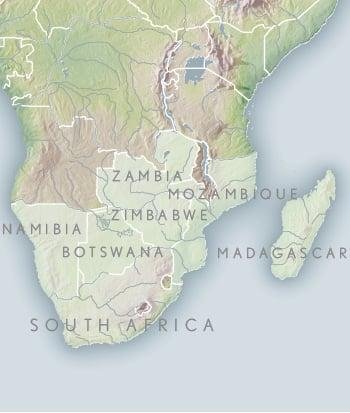
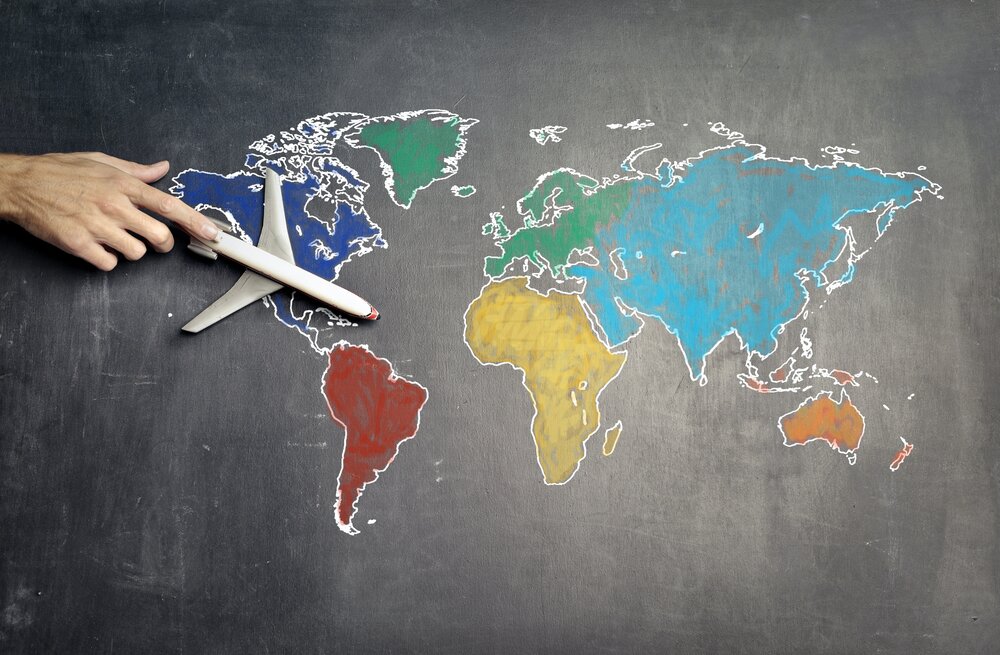
Southern Africa, a region in our continent that makes up a plethora of countries, has numerous travel gems for locals, tourists, adventure lover’s and your everyday scenery scenes. Most people are unaware of the vast majority of destinations that this region has, and we decided to break it down for you. If you love the islands, sunny beach days, hiking trails in the mountains, or even safari adventures, this list is a compilation

that will cater to you!

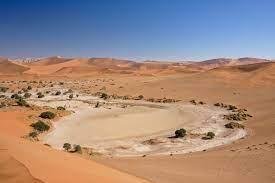
The Sand Dunes of Sossusvlei in the Namib Desert, Namibia

Dune 45 is a star dune in the Sossusvlei area of the Namib Desert in Namibia. Its name comes from the fact that it is at the 45th kilometre of the road that connects the Sesriem gate and Sossusvlei. Sossusvlei is a perfect specimen of Nambia’s unspoilt desert beauty and we are sure that if you are looking for an escape from the fast paced cities, this is the place for you. The star dune terrain is beauty that cannot be put into words, only a trip here can suffice. An interesting fact is that they are the biggest sand dunes in the world & they attract a vast number of travelers each year, many of whom aim to climb up the sands and enjoy a thrilling slide back down. Why not be part of the statistics?

Chobe River, Botswana

Chobe River, Botswana

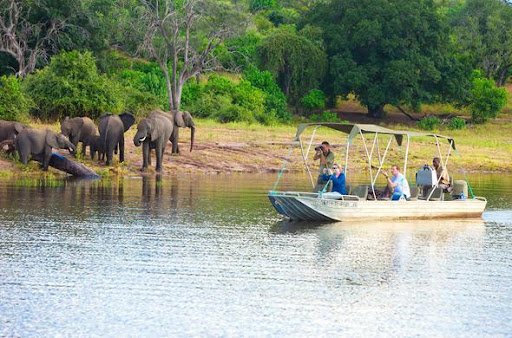
Chobe River forms the northern boundary of the Chobe National Park as well as much of Botswana’s border with Namibia. Unfortunately, only a few kilometers of the riverfront are accessible by 4×4 or by boat, but the rewards are not only monumental, but fulfill great adventure. This river is the scene of some of the best game viewing in the Southern Africa as well as providing a safe haven for some of the continent’s greatest concentration of elephants. An unbelievable scene of tranquility and picture worthy moments.

Victoria Falls, border of Zambia & Zimbabwe

Victoria Falls

Victoria Falls is a waterfall on the Zambezi River in Southern Africa, which provides habitat for several unique species of plants and animals. It is located on the border between Zambia and Zimbabwe, and is one of the world’s largest waterfalls.

Activities here are for the adrenaline seeking junkies. These can from water rafting, to the daring Devil’s Pool, and it is safe to say that those seeking a thrill are not going to be disappointed if they come here. There are also more scenic options like a sunset river cruise for the tranquil treasure lovers who would much rather relax.

These are some of the gems that the region of Southern Africa holds, we will be sure to keep you in the loop with more destinations for your travel pleasures.

By Neenah Diile Molapo

Aloe Vera:For Hair Treatment

In this quarantine period, most of us are really missing the saloon. Our hair needs some tlc! Well here’s a solution, ALOE VERA.

Aloe Vera is a plant that has great benefits in the human body. It contains proteolytic enzymes which repairs dead skin cells on the scalp. It acts as a great conditioner leaving your hair all smooth and shiny. Most importantly, it promotes hair growth, prevents itching on the scalp and reduces dandruff.

This article will focus on one way to use it, Aloe Vera as essential hair oil. All you need is to follow these easy steps below and you can take care of your hair in the comfort of your home.

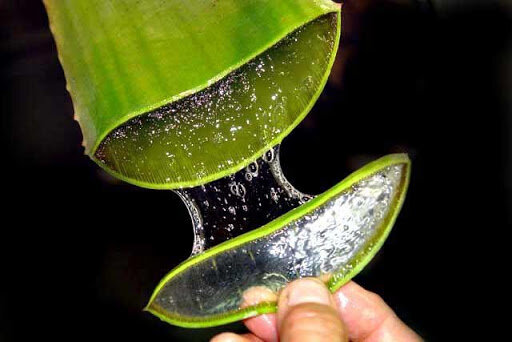
  1. Take an Aloe Vera leaf (make sure it’s washed), slice out the sharp edges then cut it in half to reveal the gel.
  2. Cut it into thin slices then put the slices in a glass bowl/cup where you will add a desired amount of olive oil.
  3. Switch on your stove and place a pan with water. ( 1-2 cups of water)
  4. Grab the glass bowl/cup and put it on the pan on the stove. This will allow the mixture to heat up indirectly. As the water in the pan boils, the heat allows the release of nutrients from the Aloe Vera to the olive oil.
  5. When the mixture in the bowl turns brown, switch off your stove.
  6. Take down the glass bowl/cup and add up a desired amount of castor oil to the mixture. Castor oil thickens the hair.
  7. Transfer the entire mixture into a dropper to enable easy application on your hair.

This treatment can be used on all types of hair and changes can be seen as early as a month. Taking care of your hair is quite essential so show your hair some love by doing this treatment, it will definitely love you back.

Feeling at home when away from home.

They’ve met each other’s parents, and know more about each other’s relatives and family histories than they do their own. Before Angela changed jobs, they were employed at the same place and carpooled to and from work every day. They witness each other’s excitement at new dating prospects. They support each other through one heartbreak after another. Angela has watched Rhoda find the love of her life, get married and start a family. Rhoda has looked after Angela’s toddler after a nasty break up with her child’s father prompted legal action. They are more family to each other than their own families back at home. 

Rhoda and Angela are in the same business major. As a matter of fact, they meet in class just as often as they do in other settings. They’ve shared a rental apartment for so long that most people think they’re sisters. They’ve met each other’s parents, and know more about each other’s relatives and family histories than they do their own. Before Angela changed jobs, they were employed at the same place and carpooled to and from work every day. They witness each other’s excitement at new dating prospects. They support each other through one heartbreak after another. Angela has watched Rhoda find the love of her life, get married and start a family. Rhoda has looked after Angela’s toddler after a nasty break up with her child’s father prompted legal action. They are more family to each other than their own families back at home. 

Angela and Rhoda are a small part of a larger international student community neatly tucked away in the middle of America’s bible belt. It is not uncommon for familiar strangers such as them to form tight-knit communities in the colleges and universities they find themselves in. They are both Kenyan, and although from different tribes, their shared nationality is enough to foster closeness and even a considerable sense of dependence. 

Angela has had a child out of wedlock with a young African American student named Tony. Angela’s parents have been pressuring the pair to formalize what they believe to be an informal union particularly after Angela announced the pregnancy her third year in college. Tony is hesitant, stating that they are young, still in school and have the rest of their lives to figure out whether or not they want something so…permanent. He is also aware of the clash of values he experiences often with Angela. From the spanking of their young toddler, to the Kenyan cuisine he is not fond of, Angela’s Swahili conversations with Rhoda and other Kenyans also leave him feeling excluded.  Angela is distraught, fearing the disgrace her parents will endure in a very conservative village in Kenya where they live. They have spent their life savings to give her the expensive private education few can afford. They had been cautioned that a girl child is easily enticed by all manner of ungodly western attitudes and would likely end up pregnant and unable to give back to the family that supports her. Her nightmare seems to materializing right in front of her very eyes.

There is a hierarchy in these circles, and being in the “in group” is a privilege not afforded to everyone. Immediate family and other relatives rank the highest, followed by close friends from home, and fellow tribe members as in same and similar nationalities. Other nationalities but of the same race, rank higher than other nationalities of different races/color. Other races rank the lowest, meaning they are the least likely to be permanently adopted into the “in group” or “inner circle”. 

A crutch can become its own form of disability. Familiarity can breed comfort and self-righteous complacency. Groupthink rarely allows for new ways of thinking and doing things to take place. Sometimes people subconsciously seek out new experiences in the form of people from opposite walks of life as is evident with Angela and Tony. However, in order to integrate this new information there needs to be a willingness to release or adjust expectations and do things differently. If not, the pressure of leading two separate lives becomes unsustainable.

By Naomi Kessy

How Hurts Heal

Yes, this begins with a pun. A pun about a burn. I’ve just been burned. Literally and figuratively. I’m sitting in my living room half naked, because my burn needs to air out. That’s on the outside. On the inside, I’ve got a fistful of feelings that I also need to air out. Feelings about getting burned. 

To avoid the afternoon heat, I had made a habit of going out for my poor excuse of a run later during the evenings. There was something sublime about the cool breeze and absence of people traffic because well, everyone else was stuck in traffic at that time. I would wave, and occasionally stop to chat with a few familiar faces along the way. Not wanting to be pestered or cat-called by the unpleasant type of familiar face, I would put on a magnificent pair of headphones big enough to at least make me look preoccupied and unapproachable. Power walking as if I was someone twice my age, added a finishing touch to the whole look. 

I like to pride myself on my razor sharp intuition. So when this tall strapping being, who happened to actually be running materialized beside me, I was stunned. Not having heard him approach and get so dangerously close, threw my brain into a reboot sequence. That should have been the first red flag. No, not him, but the fact that I was caught unawares. My intuition would later try again, albeit unsuccessfully, to point out that the aura of this new entity was suspiciously impossible to read. An Aura is the distinctive atmosphere or quality that seems to surround and be generated by a person, thing, or place. His aura was dead quiet, like the dense nothingness of a void. Come to think of it, it felt more like a magnet or a vacuum, drawing things towards it. In the wild, prey animals instinctively become attentive when the noises around them cease. Because this usually indicates a stalking predator. 

I pride myself on more than my intuition. I am also just very prideful. And what they say about big egos [they are me] is that the bigger they are, the harder they fall. 

What would follow that encounter, would take years to unravel. I can’t help but think of the similarities between burning my thigh and leaving that situationship behind. Just like my blindsided intuition, I did not plan on emptying a flaming hot cup of tea onto my own thigh. The burn I sustained, among many other things in life, simply could not be anticipated. And sometimes, we are the unintentional cause of our own pain. I love tea, almost as much as I love people. And like people, tea will only do what it can or what I allow it to do to me. If the tea was cold, nothing would have come out of it. If I had decided to walk away and not engage anyone that evening, nothing would have come of it. But the tea was at maximum temperature, straight out of the kettle. Experiences are intensified by the perspectives and actions of the people involved. In our case, our expectations and actions collided and took a turn for the worst. 

I keep staring at the blistered and bruised skin on my thigh, trying to make out any semblance of what it looked like just a few hours ago. It is tender to the touch and discolored, standing out from the smooth brown skin surrounding it. I can barely recall my personality before all of the heart wrenching romantic experiences I have worked through. I do know that I am a little less trusting, hypersensitive to any signs of conflict or misalignment. What is also hard about leaving difficult situations behind, is accepting that the hurts or experiences are now part of our lives even though they are history. They are at least part of our living memory, for better or worse. We remain the same, but simultaneously changed. Permanently. 

Speaking of airing things out, I did the adult thing and summoned the courage to see a medical professional on what to do with the new wound. Because there are things that other people are better qualified to assess and help us treat. Therapy has been the most expensive and most life changing investment I have ever made. A few weeks into a soul sucking depression will have anyone, thinking thoughts they never would under different circumstances. My first instinct when the scalding hot liquid hit my skin, was to get it off by vigorously rubbing the clothes I was wearing. Of course this only served to damage it further. I am now the proud owner of zigzag scar lines and can almost see into my own flesh. The human thing to do when we are in indescribable emotional pain is to want to make it stop.

Sometimes permanently. Drinking and smoking had worked for me for a little while. Then they made me hate myself more as I watched my health decline, fully aware that I was doing it to myself. Therapy helped me find alternative ways to cope with my intense emotions. 

Our intuitions are supposedly powered by the same mechanisms that run our immune systems. During the pandemic, it was often people who had pre-existing health conditions that suffered the brunt of catching the infection. Along with therapy, educating myself on past traumas has shown me why it was easy for me to be blindsided. I had perfected ignoring the call coming from inside my own body and soul. Along with knowing how to keep us healthy, these systems also know what to do to heal. Thankfully, all I need to do is keep the burnt area clean and dry. This means no tight clothing, soft natural fabrics that allow my skin to breath and the occasional dab of antibiotic ointment when the blisters dry out and form scabs. The worst part of any negative relationship or experience is usually when it is happening. The healing does not or rather should not induce any more pain than the original event unless it unearths something deeper that had always been there. I am aware of how emotional triggers and deficits from my upbringing and socialization contribute to a weak sense of self and poor boundaries. I also know how to recognize people and situations that feed on these vulnerabilities and compel me to compromise my personal integrity. When painful things happen to people who are already emotionally fragile, they tend to feel overwhelmed. Emotional healing involves building resilience and self-trust, so that we’re not caught in repeating cycles of toxicity, like someone who easily catches illness due to a compromised immune system. It means making sure that I am pouring enough into myself that I do not approach relationships with other people from a deficit. Everything from a proper diet, to getting enough sleep and meditating positively influences both physical and emotional health. 

Even if the tea incident had been someone else’s fault, I am the one who suffered the injury. This is not to say that none of my previous romantic partners did anything wrong. But if the wound is on me and I’m the one in pain, it only makes sense to focus on healing myself. And it is a practice. A practice in processing my emotions and providing myself with closure. Releasing any hurts, disappointments, and grievances over unmet expectations. Instead of blaming, avoiding, projecting, and suppressing negative feelings; being with them and emotionally attending to myself. With time, I will heal both physically and emotionally. It is not time itself but rather the space and conditions needed for me to put myself back together that will do the healing. If I embrace a growth mindset, I get to make better choices in the future. As long as I don’t get in the way of it. My body, just like my soul, knows how to heal itself. And I get to move on to other better experiences because I have done my best to learn from and understand previous ones

By Naomi Kessy.

The Multicultural Dilemma

“Do ya’ll have McDonald’s where you’re from?” Asks a plump, dark haired boy turning around in his chair to gauge my reaction while wearing a smug smirk on his face.

“Oh my word Jared, you’re so stupid, shut up. Ignore him!”, says a blonde racially ambiguous teenager with a thick southern accent.

“Do you have houses where you’re from?” another teen asks.

I sit there with a blank look on my face thinking, “Um, no, we live in huts and trees, what the heck did he just ask me? Doesn’t he know our homes are built with actual bricks and cement?”

“I like your pigtails” says a short, perky white girl and I quietly thank the Gods that because she doesn’t know any better, what would have been regarded as lazy and unkempt is somehow cool in this instance. 

It’s the first day of school, and I’ve just been introduced to the class as the girl from Africa. Never mind which country in Africa, because as long as it’s not Kenya, they’ve probably never heard of it. I’m in a small, conservative private Christian school in the middle of nobody knows, Virginia.

In the months that follow, I barely speak to these new faces, let alone make any new friends. But as divine providence would have it, I have four other siblings attending the same school. They provide me with the familiarity and connection I desperately need and have now left behind in the form of friends, family and acquaintances back home in Tanzania, East Africa. 

My younger siblings being more malleable and adaptable adjust quickly and make new friends. Unique personality traits exert a substantial influence as I seem to be having the most trouble making new connections. Every time someone tries, they are met with a polite but mostly standoffish attitude from a fourteen-year-old on the cusp of puberty. 

Mentally speaking, I, the fourteen-year-old, am in limbo. Something doesn’t quite fit the way it should about this new place and these new faces. Before the big move, I’ve only crossed paths with a handful of western foreigners. I’ve assumed they all smell nice and that they’re all missionaries. Well, some are pastors and doctors too. 

The move has been anticipated for months in advance. I’ve said my goodbyes, and I’ve done all the “I’m going to America” bragging that I can do. I’ve anxiously counted down the days to this new adventure so now that I’m here, I can’t understand why I feel this way. Why I feel like the rug has been pulled out from under me. Why I feel cut off and disconnected.

[…an experience a person may have when one moves to a cultural environment which is different from one’s own; it is also the personal disorientation a person may feel when experiencing an unfamiliar way of life due to immigration or a visit to a new country, a move between social environments, or simply transition to another type of life.]

When I learn of the term “Culture Shock”, I start to feel like I can begin to describe my experience. Ironically, it’s not the culture that I find the most shocking. I actually find this new culture to be liberating and much more conducive to my spirited and inquisitive nature. It allows me to explore concepts and ways of living that would not only be taboo but also proper causes for alienation and punishment in my native culture. 

It’s not the new that’s bothers me, it’s the old. It’s as if fourteen-year-old me is frozen in time. Like she’s been catapulted through time to a future in which she doesn’t belong. And even as I turn fifteen, sixteen, seventeen, the feeling fades but it doesn’t completely go away. 

I gradually warm up to my new geographical crib, but there remains that faint sense of unease. A constant gnawing, a scratching sound from behind a locked door. Something long forgotten wanting to be revisited, to be seen, to be examined. Eventually, I decide at age 24 that I can’t live without knowing what’s behind that door. So I book a one-way ticket to Dar-es-salaam within two days of making the decision. My family attempts to talk me out of it but when my mind is made up, it truly is made up. This is the way. 

Even though the decision is mine this time around, I am not prepared like I was the first time around. I find the same cultural attitudes and dispositions that I left behind but with a twist. 

To know more about what happens next, stay tuned for part 2! I compare and contrast the differences in culture and values and explore some critical issues.