


Kasheshe- Mabeste x Jess Defrees
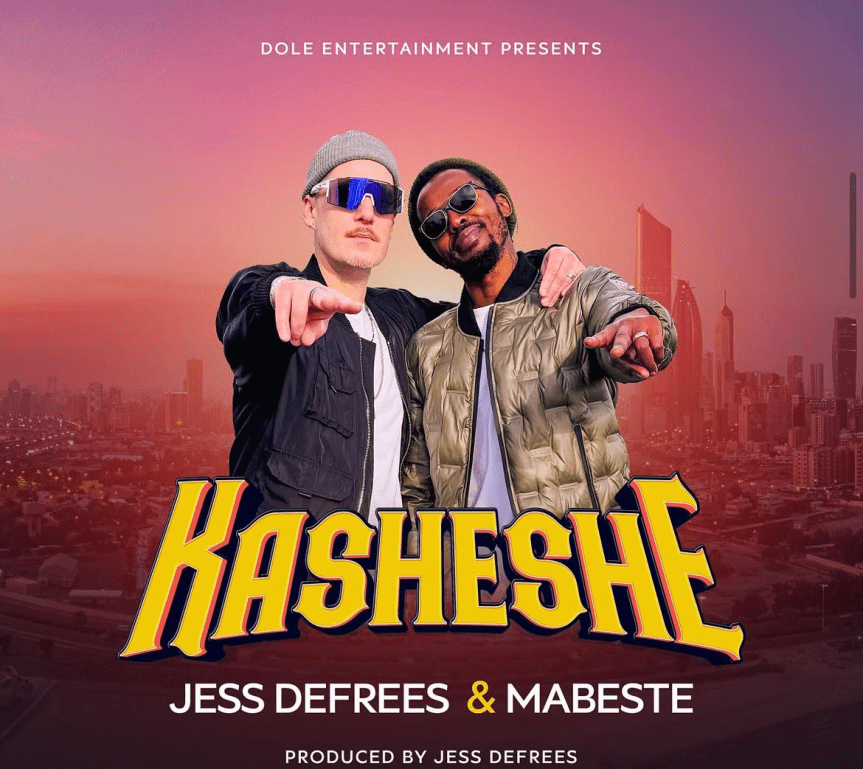
Kasheshe Video Producer: Chris Fischer – http://www.allaroundproject.com; Instagram @chrisfisherfilms
The Soundtrack of Tanzania: A Musical Experience Spread Over A Period of 15 Years Filled With Concerts and Music Festivals
By Anne Tendwa
In the past 15 years, Tanzania has undergone a paradigm shift, one that has seen this nation full of musical prospects metamorphosize into one that hosts numerous concerts and music festivals overflowing with beats around the beautiful country. From the white sandy beaches of Zanzibar to the lively urban center of Dar es Salaam, the music of this African region has transformed into a rich tapestry of culture and exuberance.
This was 15 years back; I remember Tanzania music as a rich diverse game that was and still is, a well- kept secret. Today, it is like there is a never-ending stream of music festivals in the country that can be resourcefully termed as – ‘press play. The emergence of Bongo Flava, a genre that incorporates hip hop with traditional Tanzanian music, has won the hearts of many. Stars like Diamond Platnumz and Vanessa Mdee have become a global phenomenon and not just in Africa which has helped promote the music of Tanzania in the world.
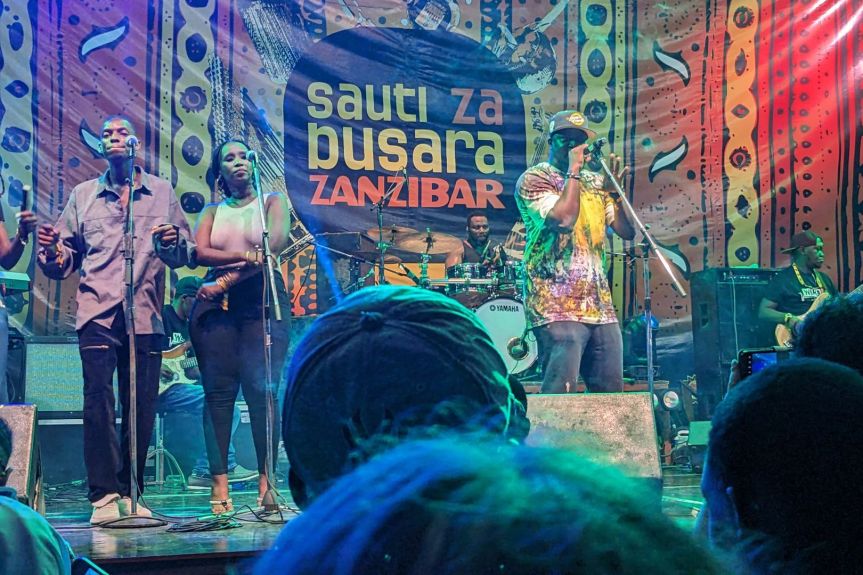
The music festivals in Tanzania take place for the sake of people; they are people’s enjoyment and participation events. Take Sauti za Busara festival in Zanzibar. An African Music Showcase Festival held annually; the event attracts thousands of revelers from every nook and cranny of the world. Imagine this: Picture the sun glimmering above the blue Indian ocean, the sound of drums in the distance accompanied with soft warm winds and images of people dressed in traditional clothes dancing to the music. It is a treat to the eyes and ears but that is just one indication of how exactly such celebrations have turned out to be a stew of many cultures.
The Nyama Choma Festival is an experience of rhythm-satisfying appétit and music in dappled dining, celebrating the time-honored Tanzanian culinary art of grilled meat with live performances. Who knew that chomping grilled meat down with rhythm could be this much soothing? This is culinary art combining with musical prowess to create an environment whereby even the shyest of souls find themselves dancing uninhibitedly.
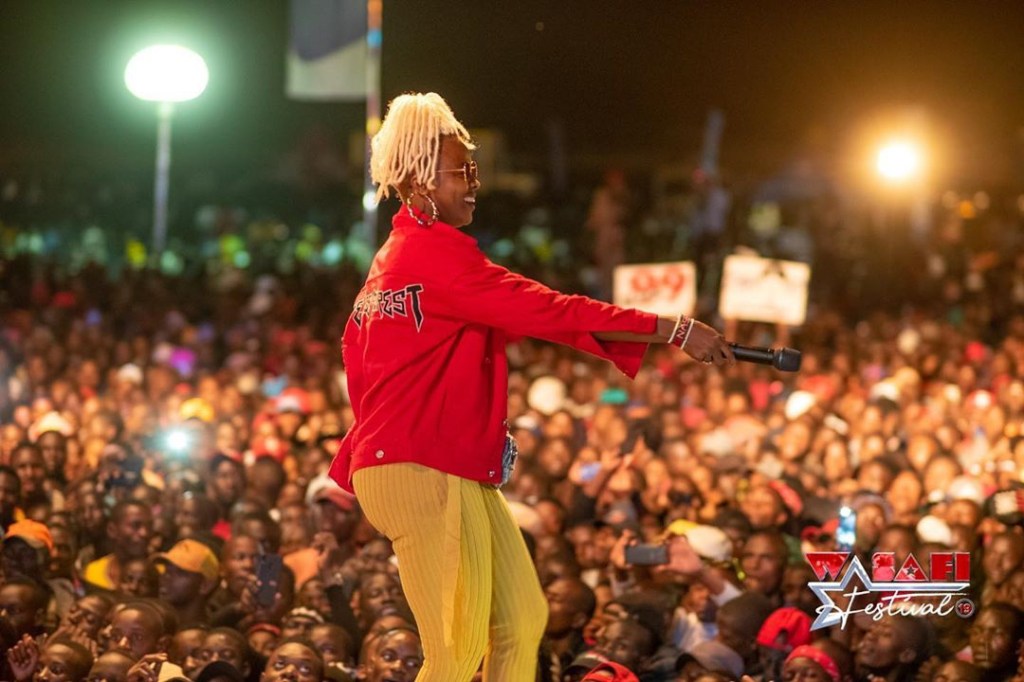
Among the most exciting facets of the emerging music scene in Tanzania is its support for nurturing new talent. Many music awards, such as the Tanzania Music Awards, are often used almost exclusively as launch pads for new artists. However, these festivals also provide a platform for fresh faces who love music in addition to established stars. This has been an excellent vehicle for local talent to shine and audiences to identify a real future star before they take center stage in the wider world of music.
All of a sudden, the opening up of digital platforms means that the reach of impressively structured music by artists can now cross the globe. Local acts enjoy the chance to gain rapid popularity, thanks to overnight hits on social media. This democratized music means that anyone with a little bit of imagination and a true driving passion can achieve their dreams.
Certainly, this journey has not gone without its ups and downs. The pandemic blew the music industry backward, with concerts and festivals coming to a halt in 2020. But it is the very fiber of Tanzanian culture that has prevailed in such dry eras. Online concerts and performances were rendered a better option to keep the show rolling from the confines of one’s living room.
The future conditions for concerts and music festivals in Tanzania seem to be shining ahead and brighter. There looks to be much more interest in the local music and preservation of the place’s heritage, so the ensuing decade seems to promise great joy.
Disappointments of paywalls in dating apps.

By Edna Deus
Connection between people in today’s world happens mostly in the digital form. With rapid increase of different social media apps and use of emails, the world has become easier for people to meet without going outside. This has led to the rise of dating apps which has made it easier to find relationships whether platonic or romantic. However, creating a profile and swiping through potential matches brings you to the realization that payments are needed to engage with someone.
This revelation leaves you with disillusionment and disappointment.
From Tinder to Bumble and niche platforms as eHarmony, the mechanism of requiring payment just after luring in users with the promise of free access to the app or website kills all motivation
of continuing with the apps. When you download dating apps most of them are advertised as free and this prompts many to take a chance. After creating a profile, swiping, liking and messaging it
seems to feel as the best deal. This is until the limitations of your “free” membership shatters all hope of using dating apps unless you’re willing to pay for packages that are offered.
Before we dig deeper on the payment matter, we cannot neglect that dating apps have helped make connection between many people. Many relationships whether platonic or romantic have been able
to happen because of these platforms. Some of these people if asked can even say it’s worth the payments for the subscription if it would lead to a successful relationship on their end. But that’s just it, paying for the apps is still not a full proof plan because you never know if it will fail or not.
Monetization of apps is not unique in any way and so the matter is not necessary about the money but the shift of expectations. The whole process of signing for a dating app is for the hope of
meeting someone and this changes to being cornered to pay to secure your future in romance. This changes the meaningfulness of being in a genuine relationship. And subscribing does not mean that you may get your soulmate. A lot has happened in dating apps such as scams, catfishing,
ghosting and many more. This makes you wonder what if you do pay for the app but get
disappointed with it, just making you lose money for a bad experience.
Not all dating apps are deceitful though. Some show you their offers from the beginning, about what you get when you download the app and what features are supposed to be paid for. This makes it easier to know what you are walking into without being manipulated for an experience.
Yet the trend for monetizing romantic connections remains widespread, making many people distrust the process. And for those who refuse to pay, their options become very limited. They are
forced to spend time swiping and hoping to get a match and, in the end, leading to abandon the
app altogether.
The act of bringing up subscriptions while a user has no idea that the “free” part of the dating app is only for making a profile is very harsh. It shows that the deceit done by owners of these platforms
is due to their greediness. It feels like they trapped you when you sign up to meet someone but are given a choice to either pay or delete your profile. The thought of letting go your process that you
have done until that moment feels heavy, making you to start wondering if paying is the best option
to meet someone.
Either way, being let down by paywalls in dating apps goes beyond the cost itself. It’s about the realization that even when finding love, money comes first. This depresses many to discover that
the easier way to find a relationship involves a price tag. Dating should feel natural, but when you must pay to talk to someone, it starts to feel fake. And this takes the joy out of it. The disappointment lies there with commercialized structure of modern online dating.
Soo Cold-Lord Kama

“Soo Cold” is a captivating blend of Afrobeats and classic RnB, designed to bring chill vibes to your audience, whether at brunch, a Friday evening party closer, or a soundtrack for intimate moments. This track is crafted to resonate with the diverse tastes of listeners, introducing some to a new style of the growing Afrobeats Genre. What makes “Soo Cold” special to me is the genuine emotion and dedication that went into its creation. I can gladly say that after all the effort put in, I am proud of the results and I hope that listeners get to enjoy it as much as I do.”
He is currently working on an EP slotted for release early next year. You can follow him on Instagram @lord__kama to keep up with his journey
FOOD FOR THE SOUL
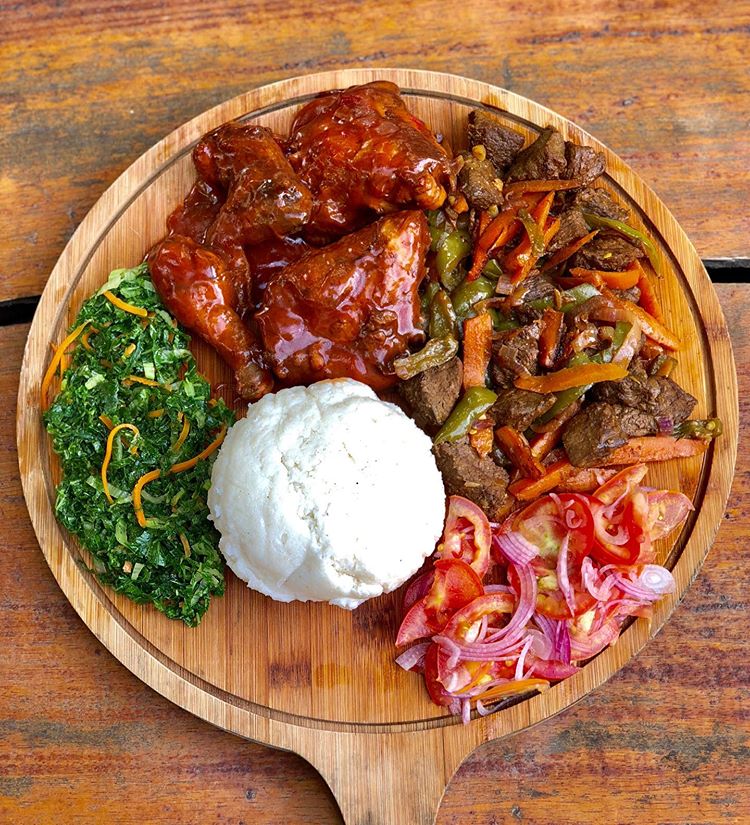
by Vanessa Mwingira
DAR’S 5 UPCOMING FOOD JOINTS.
Food! The one thing that we all love in common. From chips and chicken to the local cuisine of pilau and biriani, this article is aimed for the food lovers who would love to explore the food joints in the beautiful city of Dar es Salaam.
- Mamboz Grill/Restaurant
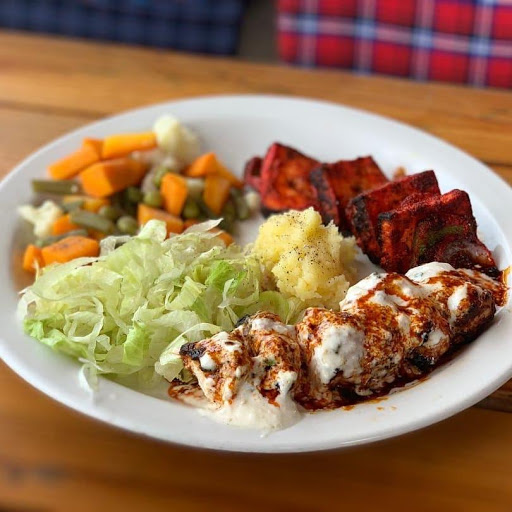

To all the barbeque lovers, Mamboz Restaurant is the place to satisfy all your bbq cravings. The restaurant has various branches around dar es salaam, such as Mamboz Masaki and Mamboz SinzGrill, offering local bbq (nyama choma) and spicy indian cuisine such as chicken tikka gajjar.
Pictures from mamboz instagram
2.Batapoint
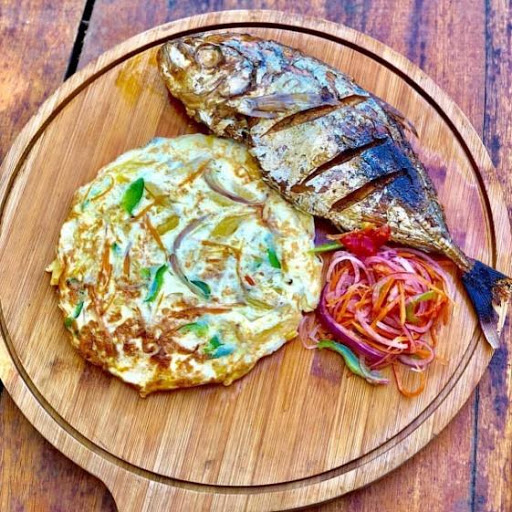

This is a fast food restaurant in Dar es Salaam that has an extensive pallete of food to satisfy your soul. The place offers a combination of various food such as barbequed sausage, beef, chips, mishkakis and fried eggs in one platter. The customer can decide whatever combination of food that they want.
Pictures from Batapoint instagram
3.Chefkile
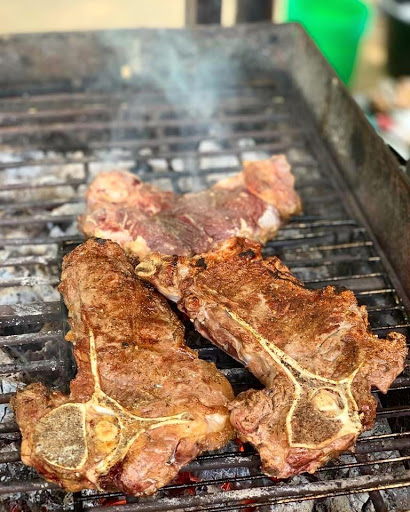
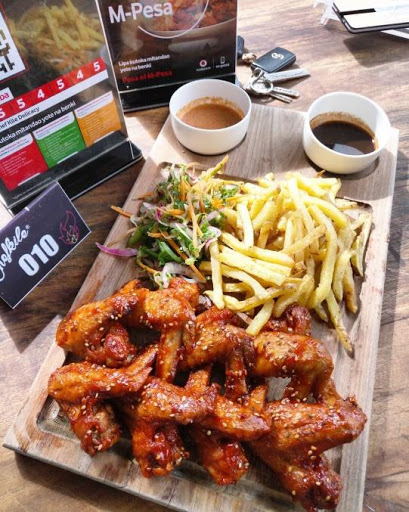
Chefkile is a BBQ delicacy restaurant where you can find the most delicious chicken wings, T. bone platter, smooked beef and butter garlic chicken among other things found in the outstanding menu. It’s a fresh new joint located in Mbezi beach open to all food lovers.
Pictures from Chefkile instagram
4. Neeko Foods
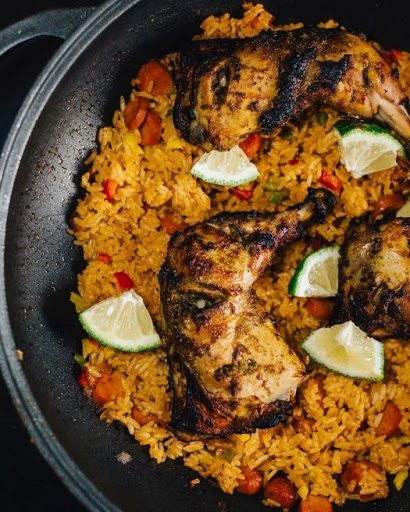
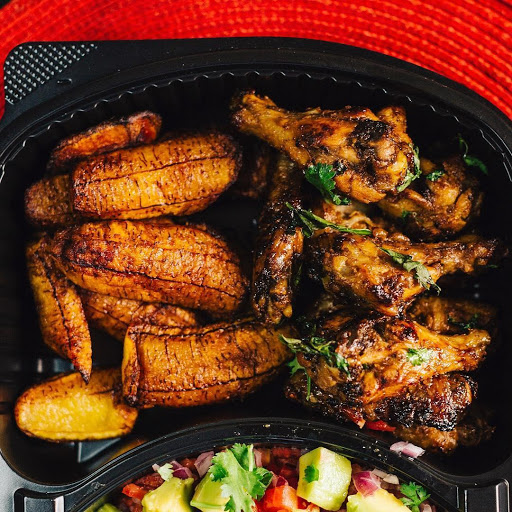
Online food service is on the rise in Dar es Salaam. With online food joints such as Neeko foods, customers can purchase food online through the weekly menu provided.
Neeko foods provide local crafted, unique and attractive meal boxes.
pictures from Neeko foods instagram
5.Mudi Mabiriani
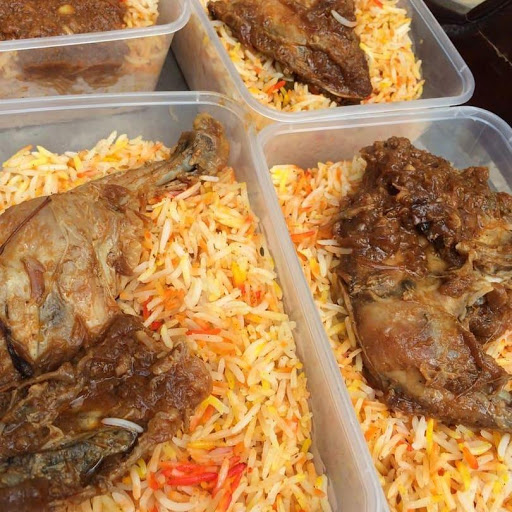
Fridays are no longer dull in Dar. Get yourself some delicious biriani from Mudi Mabiriani for a fair price. There are a variety of biriani available such as chicken biriani and beef biriani. They are located in Dar es Salaam, Sinza mori. pictures from Mudi Mabiriani instagram
Coffee In Tanzania: From Bean To Cup
Coffee in Tanzania: From Bean to Cup

By Anne Tendwa
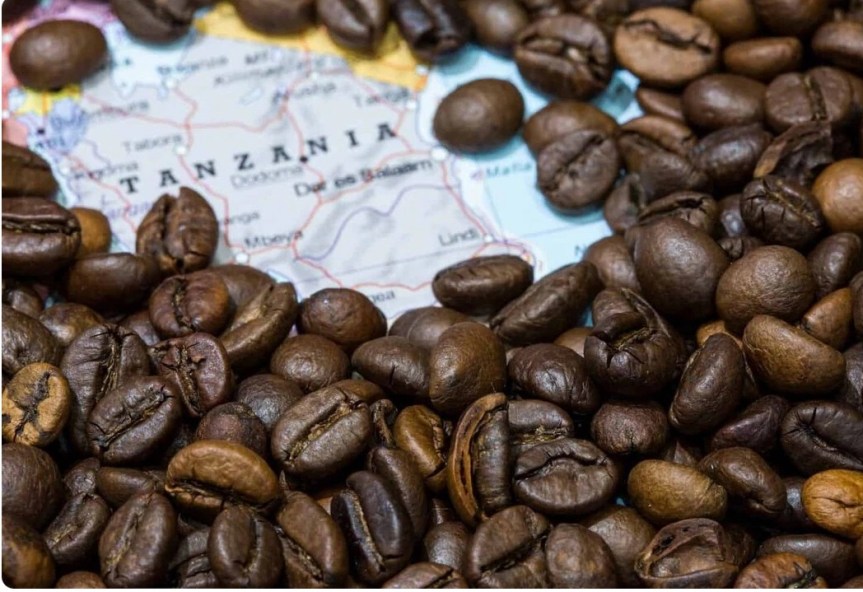
Tanzania is situated in the eastern region of Africa and is famous for its beautiful geographical features, endangered species, and rich tradition. In addition to Mount Kilimanjaro, the Serengeti, and the beautiful Spice Islands of Zanzibar, Tanzania has also another thing that makes it a special country in the world; its coffee. For the people of Tanzania, coffee is much more than a beverage; it is practically a culture, it is – economically – very important and it is a process of teamwork before one can actually enjoy sipping it. From the fertile beans growing highlands to the freshly brewed coffee in your cup, every ounce of Tanzanian coffee tells a tale of love and dedication to preserving tradition and never compromising on quality.
The journey of coffee begins right from the highlands of Tanzania where the soils are fertile for coffee growth. There are various regions in Tanzania that are very good for coffee growing, especially those surrounding the Mount Kilimanjaro, the southern highlands around Mbeya and the Victoria area. The country can be categorized in terms of two major coffee bean types such as the Arabica and Robusta.
Mount Kilimanjaro: Mount Kilimanjaro is probably the most popular region for growing coffees in Tanzania as coffees are grown on the slopes of Africa’s tallest mountain. In this region, cooled volcanic soils, high altitude, and moderate temperatures as well favor the growth of Arabica coffee. Most farms in this area yield very high quality coffee with some sweetness, with bright acidity, floral, with fruit overtones.
Mbeya and the Southern Highlands: The southern highlands should be considered and referred to along with Arabica beans Subzi. The coffee here is cultivated at altitudes of one thousand up to two thousand meters and americanos and the coffee here is very smooth and balanced with slight measures of chocolate and nut flavors.
Lake Victoria and Kagera: In the northwest, the area called Vic Portrait about the Lake Victoria, Robusta beans are cultivated. These beans have a tendency of being more potent, having a stronger and more rustic flare to it, and are commonly included in espresso blend or instant coffee.
Every region has a different taste resulting from its soil, height, and microclimates. Such differences have made Tanzanian coffee a sought after drink by coffee lovers around the globe.
The history of Tanzanian coffee starts with a tiny seed that is put in the ground by local farmers, who mostly cultivate small-scale family-owned farms. The majority of coffee growing in Tanzania is done by hand using rudimentary farming techniques that have been passed from one generation to another. It takes several years for coffee plants to grow and produce berries and during the period of cultivation, the hands of farmers need to be vigorous to the plants as they should develop well.
This involves growing trees used as shade for the coffee plants so that the plants do not get dry. These trees do not only let the coffee leaves flourish but also promote environmental conservation in the area by affording the forest cover.
Spotlight on Tanzanian Cinema:
Spotlight on Tanzanian Cinema: A Growing Industry with Local Talent
The Tanzanian film industry is undergoing a renaissance, with a surge in local talent
and productions making waves both locally and internationally. From gripping dramas to
heartwarming comedies, Tanzanian filmmakers are showcasing the rich cultural
tapestry of the country and captivating audiences around the world.
One recent success story is “Vuta Ni Kuvute” also known as Tug of War by Amil Shivji,
a film that has captured the hearts of audiences with its engaging storyline and powerful
performances. The film, which explores themes of love, family, and tradition, has
received critical acclaim and has been internationally and locally awarded. The movie is
currently Tanzania’s official submission to the 95 th Academy awards.
Another film that has garnered international attention is “Binti” directed by Seko Shamte
and co-produced by the director herself with Angela Ruhinda and Alinda Ruhinda. The
film tells the story of four Tanzanian women who are unknowingly connected through
their ability to perservere extreme hardships in the city. The movie is now available on
Netflix. Its inclusion on Netflix has helped to showcase Tanzanian cinema to a global
audience.
Despite these successes, the Tanzanian film industry still faces challenges, including
limited funding, infrastructure, and distribution channels. Many filmmakers struggle to
secure financing for their projects, and the lack of locations makes it difficult.
However, despite these challenges, Tanzanian filmmakers remain undeterred, using
their creativity and passion to overcome obstacles and bring their stories to life. Local
film festivals such as Zanzibar International Film Festival (ZIFF) provide a platform for
filmmakers to showcase their work and connect with industry professionals, helping to
foster a vibrant and growing film community in Tanzania.
As the Tanzanian film industry continues to grow, it is clear that its future is bright. With
a wealth of talent and a rich cultural heritage to draw from, Tanzanian filmmakers are
poised to make an even bigger impact on the global stage in the years to come.
New Release: NIPENI MAUA YANGU BY ROMA
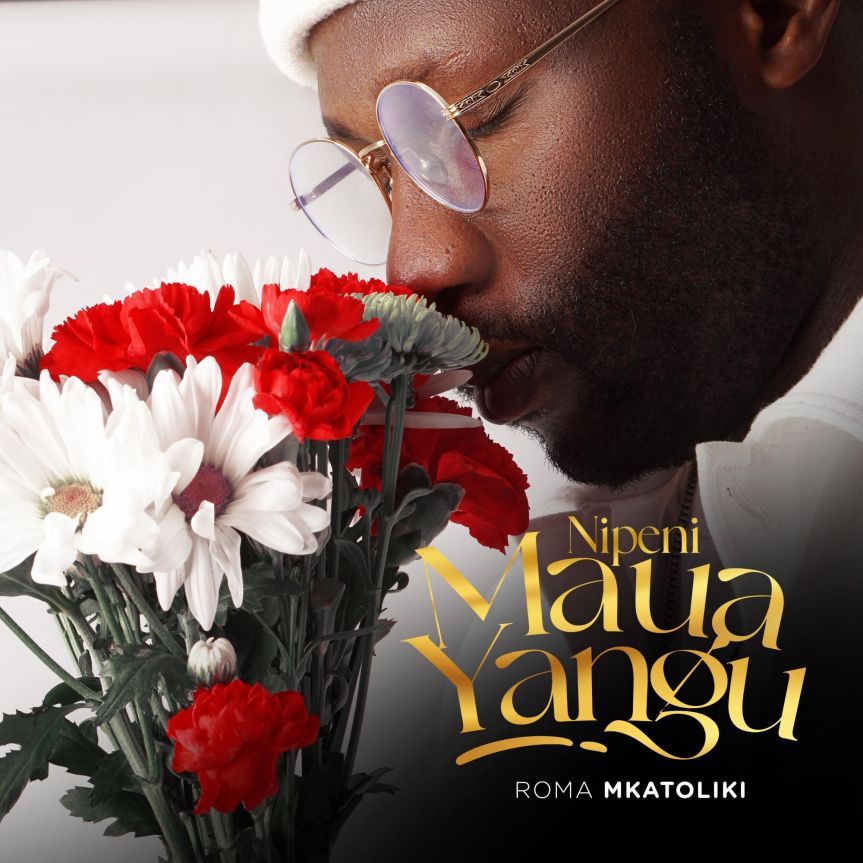
Hi Thank God my new album is out now-Roma
#NIPENI_MAUA_YANGU🌺
Available On All Platforms
#Spotify #Audiomack #Youtube #Boomplay #Shazam #Music
you are all welcome to listen to it
BMT NA JICHO LA MOTISHA KWA WANAMCHEZO


Baraza la Michezo la Taifa (BMT) limeandaa tuzo za wanamichezo bora wa mwaka 2023 waliofanya vizuri katika mashindano ya Kimataifa tukio litalofanyika Juni 9,2024 kwenye Ukumbi wa The super Dome jijini Dar es Salaam.
Mwenyekiti wa Kamati ya tuzo za BMT Profesa Madundo Mtambo,amesema kuwa lengo ni kuwatambua na kuwaenzi wanamichezo na timu za Taifa zilizofanya vizuri katika mashindano ya Kimataifa.
Amesema mchakato wa utoaji tuzo unafanyika kwa uwazi, weledi, na umakini mkubwa kwani Baraza limeshirikisha vyama na mashirikisho yote ya michezo katika uteuzi wa wanamichezo bora katika michezo yao.
Kamati ya usimamizi wa tuzo imepokea mapendekezo ya vyama, itayachambua na kuchagua wanamichezo bora.
Kuna mabadiliko ya vipengele vya tuzo yamefanyika ili kuendelea kuzipa thamani tuzo hizo zinazotolewa pamoja na kuongeza ushindani baina ya wanamichezo ili Mwanamichezo anayepewa tuzo awe ni yule ambaye amekuwa na mafanikio zaidi kuliko wanamichezo wengine wote.
Alibainisha kuwa Kamati ya usimamizi itafanya Kwa ukaribu na vyama vya michezo vya Kitaifa katika kutambua washindi wa vipengele mbalimbali vya tuzo na kutambua timu na wanamichezo waliofanya vizuri na kupitiwa na sekretarieti na baadaye itathibitishwa na Kamati hiyo.
Prof. Madundo ametoa wito kwa wadau mbalimbali yakiwamo makampuni ,Taasisi za Serikali na binafsi na watu mmoja mmoja wanaopenda maendeleo ya michezo nchini kujitokeza kuipa nguvu BMT katika kutekeleza jukumu hilo la faraja kwa Wanamichezo.
Hii ni mara ya pili BMT kuandaa na kutoa Tuzo hizo.Kwa kifupi BMT wameonyesha ukubwa wao kama Serikali na hapo ni Wadau kuwapa nguvu tu ili Tuzo ziendelee kushamiri.
Na: Kione Hamis Mahuruku
 The Tanzanian Times