
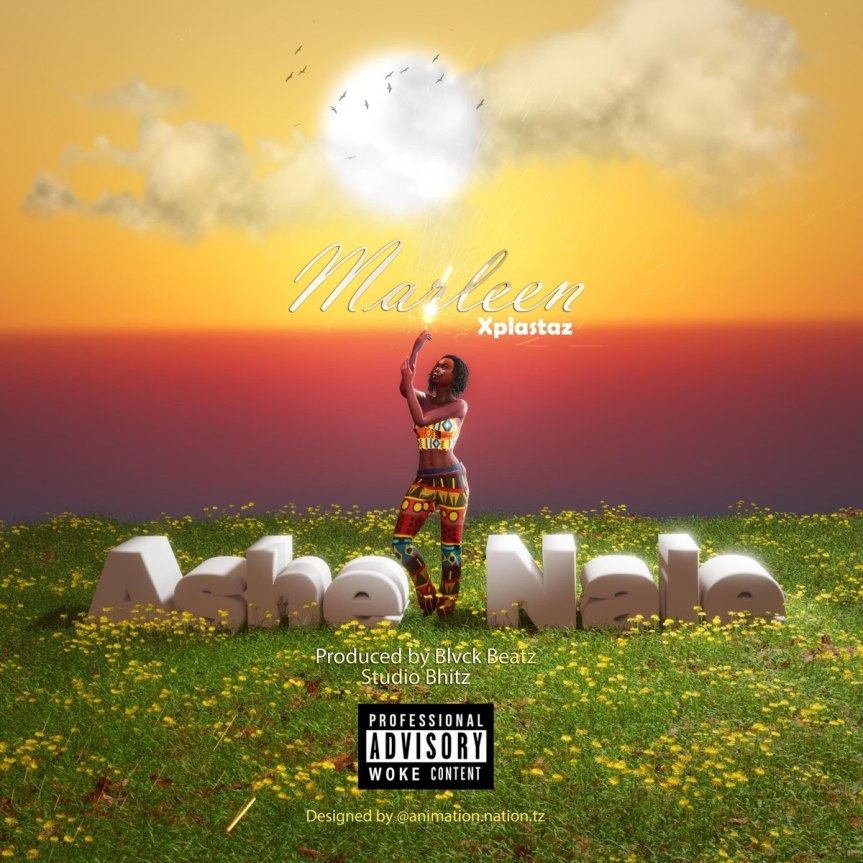
Marlene Xplastaz’s ‘ASHENALE’
Produced by : blvcq_igbo6
Filmed by: Director Izzy

Marlene Xplastaz’s ‘ASHENALE’
Produced by : blvcq_igbo6
Filmed by: Director Izzy
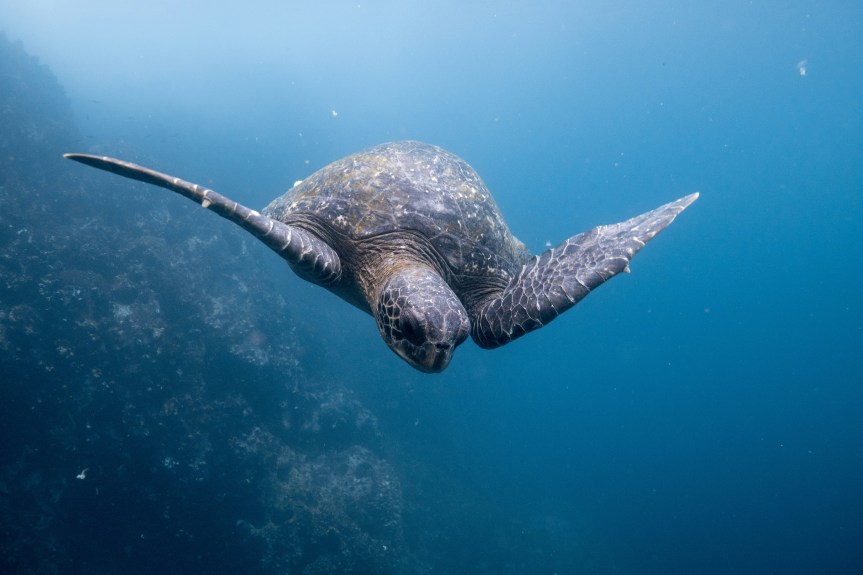
This tale follows the humble journey of McDonald. From a determined spearfisherman turned passionate ocean conservationist, McDonald’s story explores his dive into despair to his rise into awareness of our precious underwater ecosystem and how one person’s impact can change a community.
In the beautiful coastal town of Watamu in Kenya, AFRISOS collaborated with PWFF, Kenya Wildlife Services, Bahari Hai, A Rocha Kenya, and Temple Point Resort to unite environmental enthusiasts of the local community. AFRISOS mentors guided mentees through a 6-day dynamic smartphone filmmaking lab. Through this program, mentees and mentors worked together to plot, capture, and edit this film, all in four days! At the end of the program, the film was locally screened so the community could be a part of this enlightening journey of grassroots storytelling
Mi Kasa, Su Kasa is a narrative of hope. Hope in humanity’s ability to change, hope for the future of our oceans, and hope that no matter what equipment you already own, you can create artistic visual narratives with the simplest of tools

Nafasi art space is one of the safe heavens in Dar es Salaam for all types of artist. From sculptors to painters and let’s not forget photographers, nafasi art aims at expanding your artistic horizon.
Nafasi art space is one of the safe heavens in Dar es Salaam for all types of artist. From sculptors to painters and let’s not forget photographers, nafasi art aims at expanding your artistic horizon.
“ Nafasi Art Space is a vibrant art Centre and platform for artistic exchange in Dar Es Salaam, Tanzania, where contemporary visual artists and performing artists come together to create, learn, inspire, exhibit and perform.”
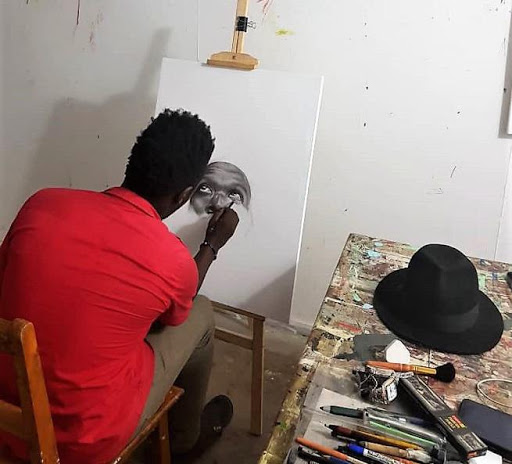
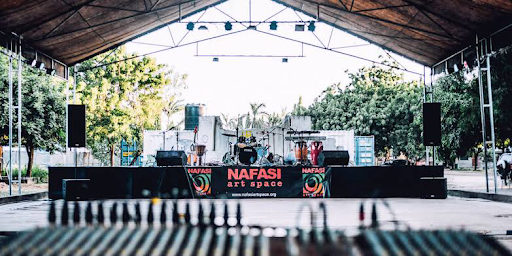
The spot hosts over 50 artists, 37 studios, and several exhibition spaces. They offer regular programs including training and workshops, art talks, and public events, such
as film screenings, exhibitions, concerts, festivals, and public art fairs. The studios are used to paint, produce music, weave, weld, sculpt and more.
It was founded in 2008 and it has provided learning opportunities to inspire and support artists in Tanzania and to give audiences and art lovers a place to experience and appreciate arts and culture.
The overall objective of Nafasi Art space is to be the leading Contemporary Art Centre in Tanzania that provides a platform for artists through development, production, and entrepreneurship in the Visual and Performing Arts by providing training, exchange, and exhibition of contemporary art locally, regionally, and beyond.

Nafasi Art space has been a home for many art exhibition from various artists such as PichaTime photo exhibition created by Nicholas Calvin Mwakatobe ( a resident artist at Nafasi Art space). For more information search Nafasi Art Space on the web and find out what events are on. It’s a recommended place to go if you love art and culture.


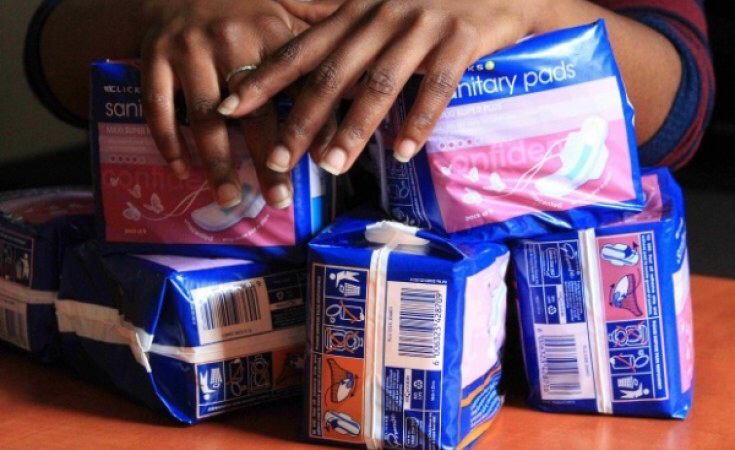
The biggest news to hit Tanzania is the issues on taxes fixed on Sanitary pads. The taxes were re-introduced during the announcement of the 2019/2020 years budget.
The Finance minister Philip Mpango said removing the tax was not productive at all, it allowed traders to raise the rate of pads and increase their profit.
There was a growth in complaint about the pricing of the pads, some range from Tsh 2500 to Tsh 3000. A member of parliament, MP Peneza brought these grievances to the parliament and stated in her speech “…we met with distributors and traders of sanitary pads in the country and these traders, with illustrations, informed us that they had reduced prices. The problem was on the retail end, that is where the pricing has not been reduced”
Looking at how the government implemented on matters concerning plastic bags and made sure that everyone stopped using them, how can they fail to make sure that the retailers stuck to the low pricing?
This has angered many people in the society, mainly women and girls. Taxing Sanitary pads is a great injustice to women since it’s a biological phenomenon and not a luxurious thing. The women and girls who live in rural areas have been hit hard with this news due to the fact that they cannot afford sanitary pads.
Many girls in the village do not own sanitary pads due to the pricing and also unavailability of them in shops. This leads to them missing out on school on days that they have their menstrual cycle. According to surveys done, most girls in rural areas use inappropriate materials such as rags, raw cotton among other things to substitute sanitary pads.
The government should give out sanitary pads free of charge in schools in order to help the girls not miss out on classes. Kenya is a perfect good example where pads are given out free of charge in schools. In addition the prices should be affordable to every woman who earns a low income wage. Periods are not luxuries.

The internet is one of the best inventions made by man. We all know without the internet our lives would be unfulfilled. It has changed our world so much that life has been way easier to tackle. Information, communication and even advertisement can be easily provided through the internet making interaction between people from different continents and with different backgrounds connect. This itself is a big win for the internet.
With all the importance’s it provides us with, the internet has managed to develop small businesses in the society. Many owners of small businesses use the internet as a factor to spread their products. The services provided by the internet are reliable and fast to inform the public about their business without use of much expense. It also captures easily the interest of the customers with the pretty pictures and videos of the products. This way the customers will know what they want, what it costs and when they can get the products.
The biggest result of the internet used by small business owners is social media. From YouTube, Facebook and mostly Instagram, all these social media platforms enable the small businesses to gain market insights and be exposed to potential customers near or far from you. This is advantageous because more people join Social Medias in a regular basis making it a perfect way to connect with your customers.

Clothing brands, portable devices services, photography services; these are some of the famous small businesses in our country that use social media, blogs and the internet in general to advertise and attract their customers. It so happens that this method helps a lot since these small businesses are flourishing and increases income for the owners.
Since social media is used by a large number of youth, many have started opening their small businesses. The chance of getting customers using social media has managed many youth to be creative in what business they start that may capture the attention of the people. For example, a girl named Anitha Mbangula managed to start her own small business of baking homemade chocolate cakes and selling them through social media. She uses mostly instagram and whatsapp to reach her customers.
Small businesses or large ones show that social media is very important in our lives today. If it keeps up, the business world will change rapidly in the upcoming years in a good way.
By Edna Deus


Rugby is a sports game that’s played around the world in various countries. Just like how football has the UEFA champions league, Rugby has it’s own international level of competition called International Rugby board. Tanzania is a member of the IRB but has yet to play in the Rugby world cup.
Tanzania’s national rugby union team is known as the Twigas and the team represents Tanzania in International games. The teams ground is currently in Arusha, Friedkin Recreation Ground and the teams coach is Mike Beckner.

In national levels, there are 4 rugby clubs registered under the Tanzania Rugby Union. One of the clubs is known as The Arusha Rhinos Rugby Football Club which is based in Arusha. Another Rugby club is the Dar es Salaam Leopards RFC based in Dar es Salaam and it’s one of the oldest clubs in Tanzania.
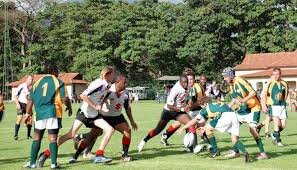
It’s very rare to hear news about rugby matches in the country because it’s not the most popular sports loved by the natives. However, this sport does exist in Tanzania and it’s about time it receives recognition from the people. It’s a sport where you have exceptional strong men in opposing teams, and each team can carry, pass or kick the ball to the end zone to score as many points as possible. The team scoring the greater number of points is the winner of the match. It’s truly an interesting game and hopefully you can catch one rugby game for yourself.
By Edna Deus

There may be the official denial of the current drop economic status in Tanzania but the citizens’ recitation of ‘Maisha magumu’ referred to ‘life is hard’ is unquestionable. However; while the majority of people are completely stuck; complain and wondering how they will cope with the president Magufuli slogan of hapa kazi tu effects, others spend the same 24 hours a day blessing, to figure-out and work on all the opportunities that show up. In a country like Tanzania it is hard to imagine if winnowing could make a living as a reliable job, because it is a must have kitchen equipment to every household in the country, thus no one can real hire an individual for that task…but it is happening.
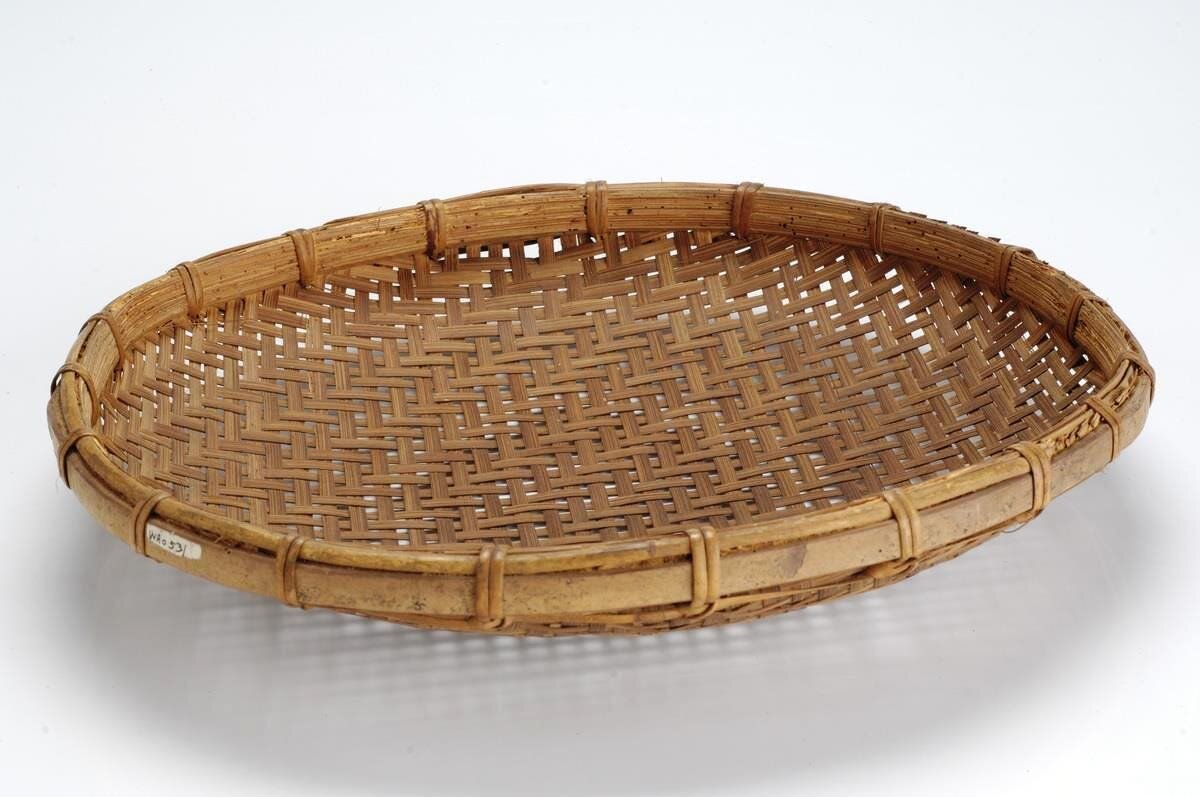
What is winnowing?
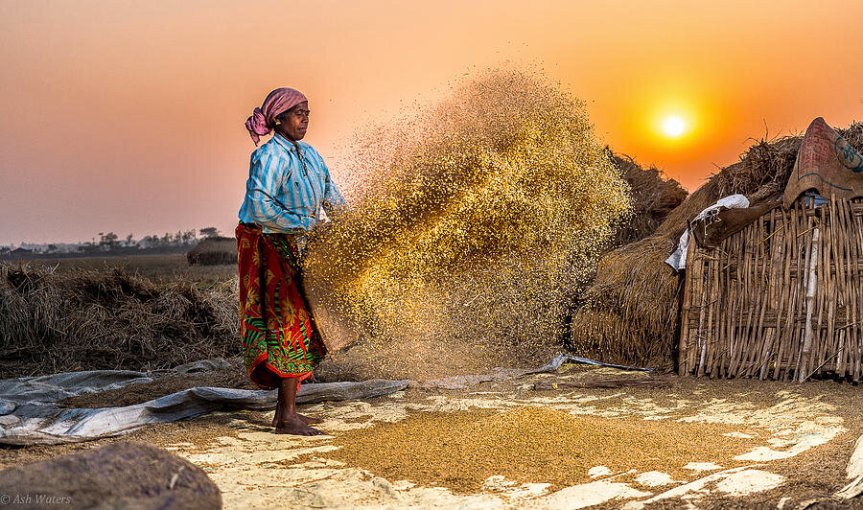
Winnowing is the process of separating the heavier components from the lighter components of a mixture by wind or by blowing air using a winnowing basket. It is essential to separate them in order to obtain clean grains that can be used in the eating purpose. Winnowing is widely used in almost every house in Tanzania especially when dealing with grain and all types of cereals.
Mama Leah is a resident of Kimara in Dar es Salaam. She and her husband have involved in cereal business for 8 years now. They order several sacks of rice and beans from the farmers at Temeke by a wholesale price and sell to individual customers by a retail price at Kisutu market. Explaining their experience in the business, Mama Leah said persistence is the only capital that they hold on to, to become who they are today.
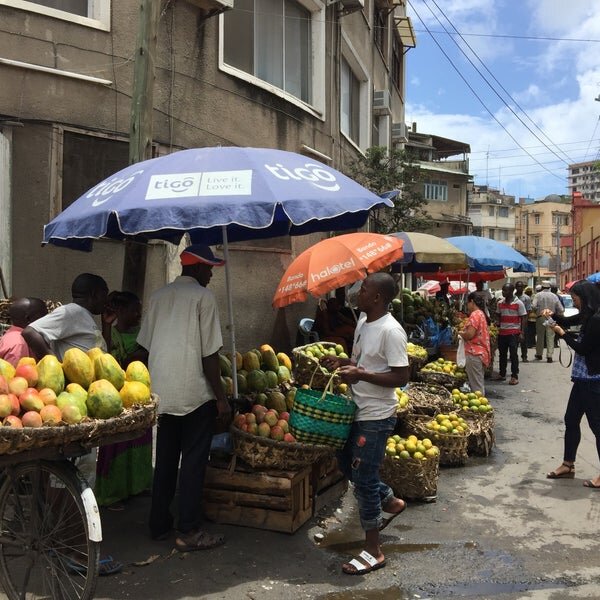
“The money flow that was familiar before our eyes has disappeared long time ago and there is no hope without persistence. The profit we make does not equate the value of life we are living…but we cannot stop. She said. Despite of facing several challenges Mama Leah and her husband were able to build a 3 bedrooms house and pay their 2 children’s school fees in less than 8 years. Nevertheless, Mama Leah revealed that in the recent years, the main business has gone down and that many of them have invested their time doing the uncomfortable activities like winnowing. Found her in the middle of winnowing; she revealed to the magazine that, it was not from her shop rather she is doing a part time. “This beans sack contains 100 Kgs, and I do it for a fellow vendor (because we have no customers during holidays like this refers to Eid el Fitr and I am idle) who pays me 8000/- per a sack. There is a good number of fellow women as you can see who make their living out of this senseless job, and the maximum we do in a day is 300 Kgs of winnowing either beans or rice. It is a hard work but it pays off if you persevere”. She lamented. Furthermore Mama Leah said almost all the fellow vendors about 50 of them; participate in a marry-go-round play popularly known as upatu, which motivates them to work even harder because each one of them is required to pay 5000/- everyday. After one week, one person receives 1,750,000/- and the process continues. The entire Kisutu vendors have shifted their businesses following the market renovation and Mwendokasi construction, something that has affected their selling out of losing many customers.
By Khadija Amri


Another year is upon us and many goals are already set to focus on what to do to move forward.
Most people especially those in their mid and late twenties are working to the bone to focus on starting a family, having a new job and other future plans in this New Year. Although these are important things to think of, they take up much the time for one to think about themselves for a while. This is happening to our youth today and they end up being so stressful and unhealthy. One should stop and ask themselves, is it worth it? Would you be happy, stress free and healthy if you achieve these goals now rather than later? With this I say self-care is important for everyone.
Self-care means taking care of our mental, physical and emotional health. From doing exercises, eating healthy, meditating, taking a vacation one can fulfil caring for themselves without having other matters in mind. This does not mean neglecting other responsibilities just to feel good with yourself. It just means taking a breather from all the hard work and concentrating on ourselves for better health.
In order to achieve this, one should make a list that has all the things that make them happy and stress free. Since everyone has different taste on what to do for their self-care, am going to mention a basic check list that can be followed by anyone.
Making self-care a priority in your life is the most important thing that you can do for yourself. It changes the perspective of life. Doing all these things will make you see life in a new way where you are able to take care of yourself and this makes it possible for you to take care of everything and everyone around you. This month, consider ways that you can make self-care part of your schedule. Remember, you deserve this as much as the next person.
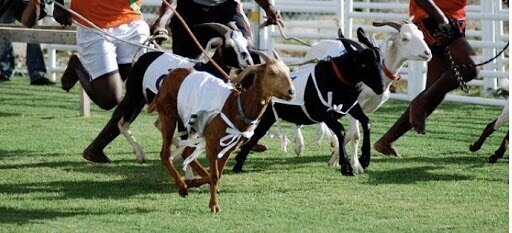
The Rotary Goat Races is a charity that is conducted by the Rotary Club of Dar Es Salaam Oyster bay. They are also known as the Oyster Bay, a name used by many of its members and friends. This club is one of the largest rotary clubs in Tanzania. They have been conducting since 2009 and has been able to unite people in hard work and service while spreading harmony. They focus in many projects that aim in issues such as literacy and education, water and sanitation and many others.
The beginning of goat racing in Tanzania started in 2001 following Uganda’s lead. The fact that goats that could race faster existed caught people’s attention and it became a good way to make it into a charity. For the past 17 years since 2001 to 2017 it was known as Charity Goat Races. For all these years Charity Goat Races has been able to support many organisations and charities by raising millions of shillings for Tanzanians in need.
In 2017, the Charity Goat Races came to an end. The committee of the goat races decided to take a break despite the achievements brought by Charity Goat Races. This decisions left all the followers of goat racing in sorrow and wondering why it ended.
Rotary Club of Dar es Salaam came to pick up goat racing in 2018 when they saw how it brought an impact to the society. They then changed the name to Rotary Goat Races. They have a vision which is to change as many lives as possible through education. They began with the 2018 edition under the motto; Wakanda Goat Are You? This attracted more people to attend due to the word wakanda referring the Marvel movie “Black Panther” They also included competitions for the spectators which were best dressed couple or group. Children were also included.
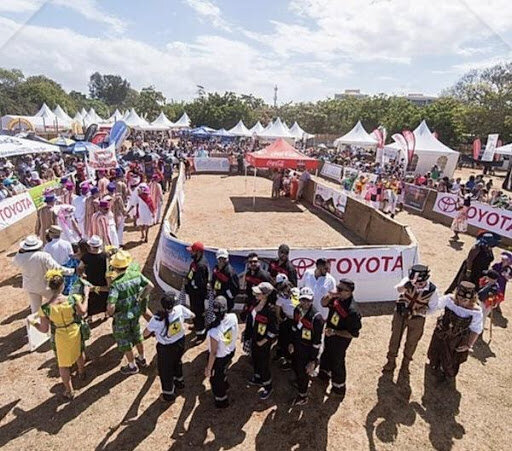
All funds raised will be given as charity in different community projects that support education like the scholarship program that funds university students in Tanzania. Since it was their first year as Rotary Goat Races, the outcome and response was very positive. It would be great to have another goat race in the near future.
By Edna Deus
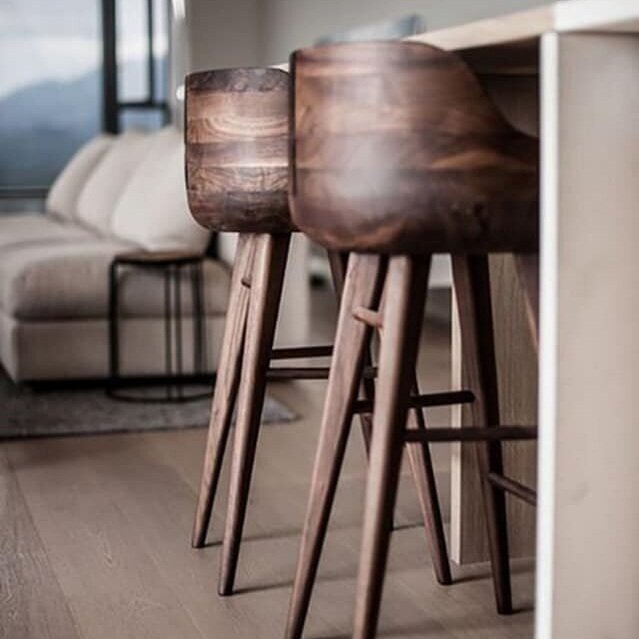
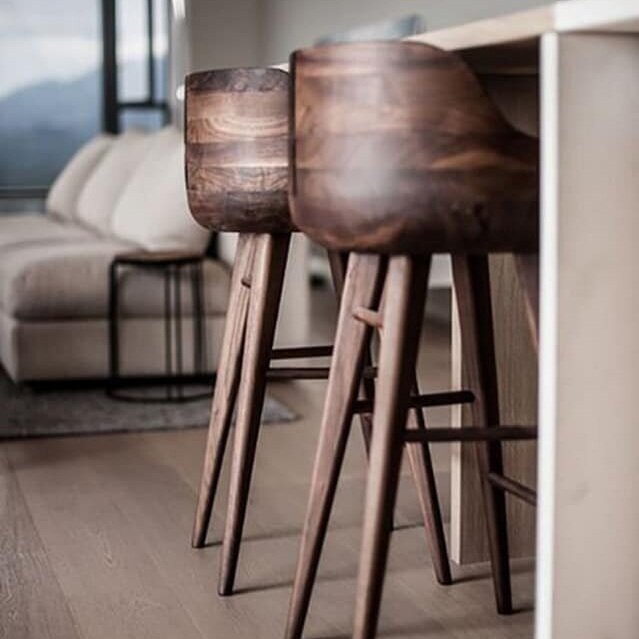
Swahili wood decor is a company that deals with interior and exterior designing of anything that involves woodwork. It was founded in December 2018 and is owned by Emmanuel Samuel. He was still a student when he began this line of work and now it has grown into a very well-known company.
In the beginning Swahili wood décor did not have a specific space for work and so they were mainly found through social media. That did not last for long because they now have headquarters in Mikocheni, Dar -Es -Salaam in Tanzania.
This company was started to help people get there vision to become real on what they needed. Different carpentry skills are used to create items, furniture and even buildings just as the customer wants. The act of making these visions come true was so as to save the people time to go around in shopping malls and stores looking for what they need. With making wood into items the certainty of durability is higher than the ones being bought from malls. Swahili wood décor is famous in making lamps, chandeliers, mirrors, wall clocks and many others items.


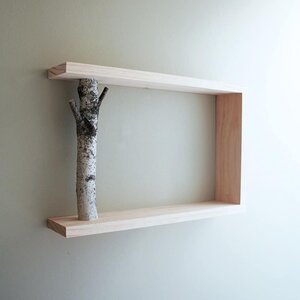
In less than a year, the company was able to work on big projects in and out of Dar es Salaam. They worked in Kahama, Mwanza and also Geita. They designed different buildings using wood as their main material such as bars, shops and others. Furthermore, their biggest project was done in Dar es Salaam where they designed the Instanbul Turkish Restaurant outside of Mlimani City complex mall. The restaurant was done in perfection.
This New Year, Swahili wood décor has captured the interest of customers from other countries. As the saying goes “the first step towards getting somewhere is to decide you are not going to stay where you are”, and the step this company took was to spread its wings to other countries starting with South Africa. With all the achievements it has got this last year, we can’t wait to see more of their designs in many other different settings.
By Edna Deus
 The Tanzanian Times