The Soundtrack of Tanzania: A Musical Experience Spread Over A Period of 15 Years Filled With Concerts and Music Festivals

By Anne Tendwa

In the past 15 years, Tanzania has undergone a paradigm shift, one that has seen this nation full of musical prospects metamorphosize into one that hosts numerous concerts and music festivals overflowing with beats around the beautiful country. From the white sandy beaches of Zanzibar to the lively urban center of Dar es Salaam, the music of this African region has transformed into a rich tapestry of culture and exuberance.

This was 15 years back; I remember Tanzania music as a rich diverse game that was and still is, a well- kept secret. Today, it is like there is a never-ending stream of music festivals in the country that can be resourcefully termed as – ‘press play. The emergence of Bongo Flava, a genre that incorporates hip hop with traditional Tanzanian music, has won the hearts of many. Stars like Diamond Platnumz and Vanessa Mdee have become a global phenomenon and not just in Africa which has helped promote the music of Tanzania in the world.

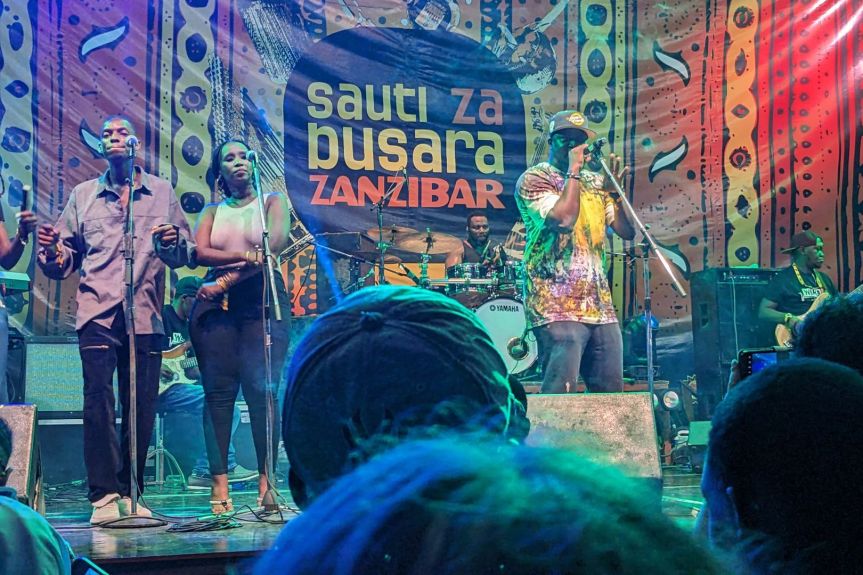
The music festivals in Tanzania take place for the sake of people; they are people’s enjoyment and participation events. Take Sauti za Busara festival in Zanzibar. An African Music Showcase Festival held annually; the event attracts thousands of revelers from every nook and cranny of the world. Imagine this: Picture the sun glimmering above the blue Indian ocean, the sound of drums in the distance accompanied with soft warm winds and images of people dressed in traditional clothes dancing to the music. It is a treat to the eyes and ears but that is just one indication of how exactly such celebrations have turned out to be a stew of many cultures.

The Nyama Choma Festival is an experience of rhythm-satisfying appétit and music in dappled dining, celebrating the time-honored Tanzanian culinary art of grilled meat with live performances. Who knew that chomping grilled meat down with rhythm could be this much soothing? This is culinary art combining with musical prowess to create an environment whereby even the shyest of souls find themselves dancing uninhibitedly.

Among the most exciting facets of the emerging music scene in Tanzania is its support for nurturing new talent. Many music awards, such as the Tanzania Music Awards, are often used almost exclusively as launch pads for new artists. However, these festivals also provide a platform for fresh faces who love music in addition to established stars. This has been an excellent vehicle for local talent to shine and audiences to identify a real future star before they take center stage in the wider world of music.

All of a sudden, the opening up of digital platforms means that the reach of impressively structured music by artists can now cross the globe. Local acts enjoy the chance to gain rapid popularity, thanks to overnight hits on social media. This democratized music means that anyone with a little bit of imagination and a true driving passion can achieve their dreams.

Certainly, this journey has not gone without its ups and downs. The pandemic blew the music industry backward, with concerts and festivals coming to a halt in 2020. But it is the very fiber of Tanzanian culture that has prevailed in such dry eras. Online concerts and performances were rendered a better option to keep the show rolling from the confines of one’s living room.

The future conditions for concerts and music festivals in Tanzania seem to be shining ahead and brighter. There looks to be much more interest in the local music and preservation of the place’s heritage, so the ensuing decade seems to promise great joy.

Disappointments of paywalls in dating apps.

By Edna Deus

Connection between people in today’s world happens mostly in the digital form. With rapid increase of different social media apps and use of emails, the world has become easier for people to meet without going outside. This has led to the rise of dating apps which has made it easier to find relationships whether platonic or romantic. However, creating a profile and swiping through potential matches brings you to the realization that payments are needed to engage with someone.
This revelation leaves you with disillusionment and disappointment.

From Tinder to Bumble and niche platforms as eHarmony, the mechanism of requiring payment just after luring in users with the promise of free access to the app or website kills all motivation
of continuing with the apps. When you download dating apps most of them are advertised as free and this prompts many to take a chance. After creating a profile, swiping, liking and messaging it
seems to feel as the best deal. This is until the limitations of your “free” membership shatters all hope of using dating apps unless you’re willing to pay for packages that are offered.

Before we dig deeper on the payment matter, we cannot neglect that dating apps have helped make connection between many people. Many relationships whether platonic or romantic have been able
to happen because of these platforms. Some of these people if asked can even say it’s worth the payments for the subscription if it would lead to a successful relationship on their end. But that’s just it, paying for the apps is still not a full proof plan because you never know if it will fail or not.

Monetization of apps is not unique in any way and so the matter is not necessary about the money but the shift of expectations. The whole process of signing for a dating app is for the hope of
meeting someone and this changes to being cornered to pay to secure your future in romance. This changes the meaningfulness of being in a genuine relationship. And subscribing does not mean that you may get your soulmate. A lot has happened in dating apps such as scams, catfishing,
ghosting and many more. This makes you wonder what if you do pay for the app but get
disappointed with it, just making you lose money for a bad experience.

Not all dating apps are deceitful though. Some show you their offers from the beginning, about what you get when you download the app and what features are supposed to be paid for. This makes it easier to know what you are walking into without being manipulated for an experience.
Yet the trend for monetizing romantic connections remains widespread, making many people distrust the process. And for those who refuse to pay, their options become very limited. They are
forced to spend time swiping and hoping to get a match and, in the end, leading to abandon the
app altogether.

The act of bringing up subscriptions while a user has no idea that the “free” part of the dating app is only for making a profile is very harsh. It shows that the deceit done by owners of these platforms
is due to their greediness. It feels like they trapped you when you sign up to meet someone but are given a choice to either pay or delete your profile. The thought of letting go your process that you
have done until that moment feels heavy, making you to start wondering if paying is the best option
to meet someone.

Either way, being let down by paywalls in dating apps goes beyond the cost itself. It’s about the realization that even when finding love, money comes first. This depresses many to discover that
the easier way to find a relationship involves a price tag. Dating should feel natural, but when you must pay to talk to someone, it starts to feel fake. And this takes the joy out of it. The disappointment lies there with commercialized structure of modern online dating.

FOOD FOR THE SOUL

Food Break


by Vanessa Mwingira

DAR’S 5 UPCOMING FOOD JOINTS.

Food! The one thing that we all love in common. From chips and chicken to the local cuisine of pilau and biriani, this article is aimed for the food lovers who would love to explore the food joints in the beautiful city of Dar es Salaam.

  1. Mamboz Grill/Restaurant
unnamed (5).jpg
unnamed (6).jpg

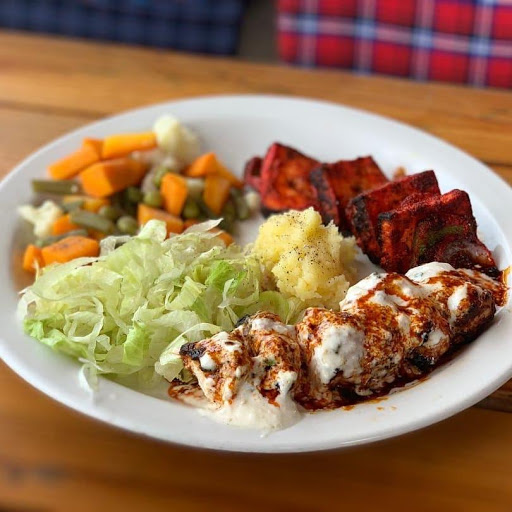
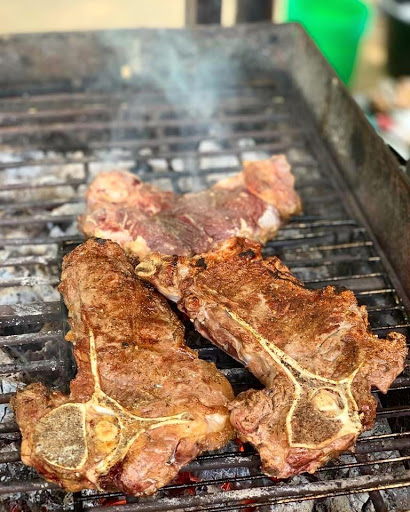
To all the barbeque lovers, Mamboz Restaurant is the place to satisfy all your bbq cravings.  The restaurant has various branches around dar es salaam, such as Mamboz Masaki and Mamboz SinzGrill, offering local bbq (nyama choma) and spicy indian cuisine such as chicken tikka gajjar. 

Pictures from mamboz instagram

2.Batapoint

unnamed (8).jpg
unnamed (7).jpg

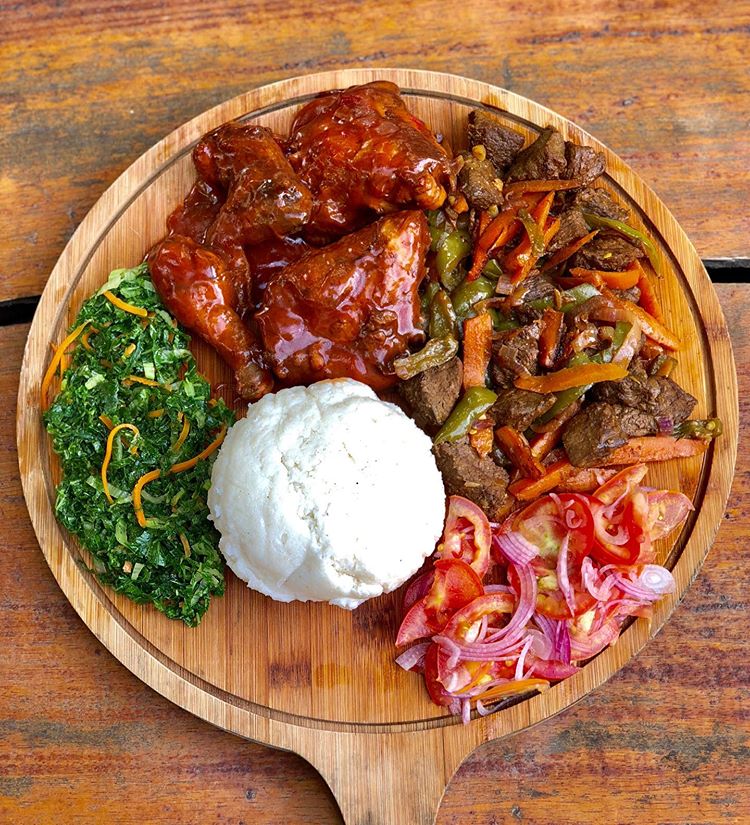
This is a fast food restaurant in Dar es Salaam that has an extensive pallete of food to satisfy your soul. The place offers a combination of various food such as barbequed sausage, beef, chips, mishkakis and fried eggs in one platter. The customer can decide whatever combination of food that they want.

Pictures from Batapoint instagram

3.Chefkile

unnamed (9).jpg
unnamed (10).jpg

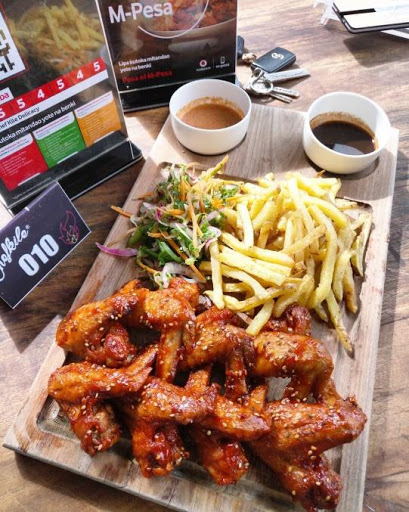
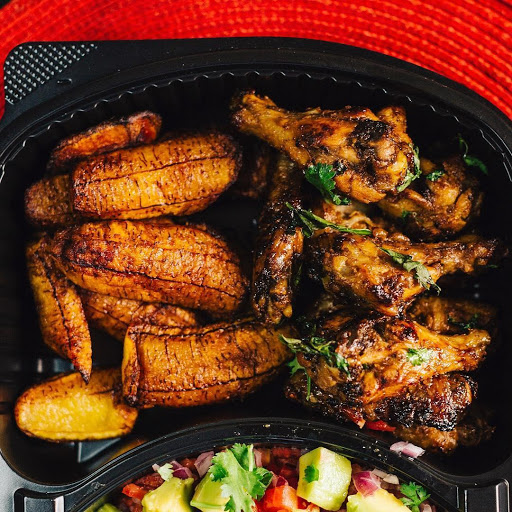
Chefkile is a BBQ delicacy restaurant where you can find the most delicious chicken wings, T. bone platter, smooked beef and butter garlic chicken among other things found in the outstanding menu. It’s a fresh new joint located in Mbezi beach open to all food lovers.

Pictures from Chefkile instagram

4. Neeko Foods

unnamed (11).jpg
unnamed (12).jpg

Online food service is on the rise in Dar es Salaam. With online food joints such as Neeko foods, customers can purchase food online through the weekly menu provided. 

Neeko foods provide local crafted, unique and attractive meal boxes.

pictures from Neeko foods instagram

5.Mudi Mabiriani

unnamed (13).jpg

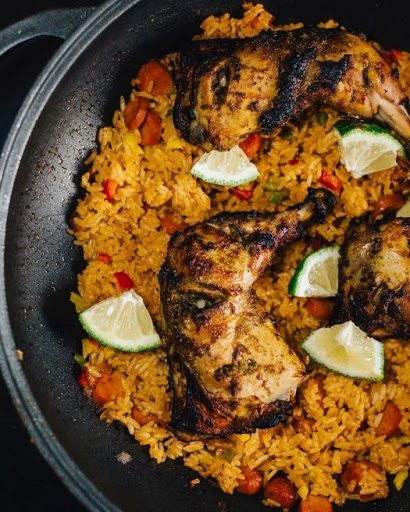
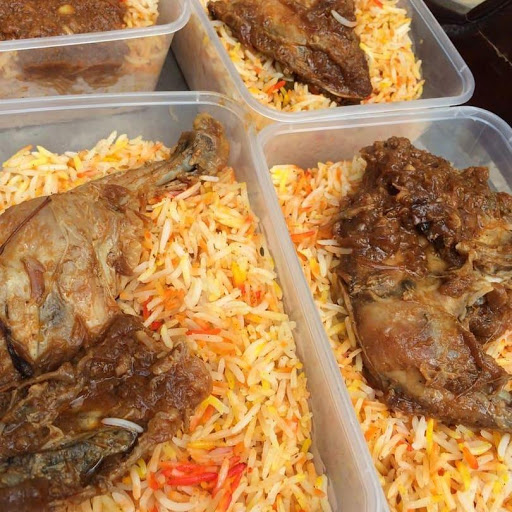
Fridays are no longer dull in Dar. Get yourself some delicious biriani from Mudi Mabiriani for a fair price. There are a variety of biriani available such as chicken biriani and beef biriani. They are located in Dar es Salaam, Sinza mori. pictures from Mudi Mabiriani instagram

Spotlight on Tanzanian Cinema:

Spotlight on Tanzanian Cinema: A Growing Industry with Local Talent
The Tanzanian film industry is undergoing a renaissance, with a surge in local talent
and productions making waves both locally and internationally. From gripping dramas to
heartwarming comedies, Tanzanian filmmakers are showcasing the rich cultural
tapestry of the country and captivating audiences around the world.
One recent success story is “Vuta Ni Kuvute” also known as Tug of War by Amil Shivji,
a film that has captured the hearts of audiences with its engaging storyline and powerful
performances. The film, which explores themes of love, family, and tradition, has
received critical acclaim and has been internationally and locally awarded. The movie is
currently Tanzania’s official submission to the 95 th Academy awards.
Another film that has garnered international attention is “Binti” directed by Seko Shamte
and co-produced by the director herself with Angela Ruhinda and Alinda Ruhinda. The
film tells the story of four Tanzanian women who are unknowingly connected through
their ability to perservere extreme hardships in the city. The movie is now available on
Netflix. Its inclusion on Netflix has helped to showcase Tanzanian cinema to a global
audience.
Despite these successes, the Tanzanian film industry still faces challenges, including
limited funding, infrastructure, and distribution channels. Many filmmakers struggle to
secure financing for their projects, and the lack of locations makes it difficult.
However, despite these challenges, Tanzanian filmmakers remain undeterred, using
their creativity and passion to overcome obstacles and bring their stories to life. Local
film festivals such as Zanzibar International Film Festival (ZIFF) provide a platform for
filmmakers to showcase their work and connect with industry professionals, helping to
foster a vibrant and growing film community in Tanzania.
As the Tanzanian film industry continues to grow, it is clear that its future is bright. With
a wealth of talent and a rich cultural heritage to draw from, Tanzanian filmmakers are
poised to make an even bigger impact on the global stage in the years to come.

Expensive fishing leaves Bagamoyo natives in need

Fishing in Bagamoyo has started in the nineteenth century where the fishermen did not take it as a serious generating income job rather they practiced it for commodities exchange, a source of food and most of all a daily activity. Parallel to Masai tradition who receives the number of cows as the daughters’ dowry; the chiefs in Bagamoyo at the time would not ask for money to give their daughters away, instead they simply ordered some kilos of fish or fishing boat as an exchange.

China can be rich and ranks first in the world of fishing history but most of its people might not necessarily have fishing experience, different from Bagamoyo District whose 90% of old people today, were once fishermen.


Bagamoyo fish market 3_3.jpg

 There is absolutely no one faculty in the World that would understand a professor’s illiterate child complaining about how lack of knowledge made him so, unless he clarifies the situation with real valid documents. Likewise; it is unbelievable for a citizen outside Bagamoyo to relate the natives’ whine about not affording fishes in their own fishery town…but that is just the reality. 

In recent years Bagamoyo has witnessed a rapid fishing industry growth that created a high demand mostly on the external market while leaving a majority of residents whose income is average; in deprived, hopeless and even cursed out the blessing saying it is useless.

Speaking to Tanzanienne a local farmer Mama Ali said all the quality fishes are sold to the neighbor regions, leaving the common ones for the locals at yet unaffordable price.

“We don’t know the taste of fishes anymore. Five years ago, it was common to opt for a bowl of fish soup for a breakfast because we could get a 10litre bucket of fish for just 3000/-. Today that same amount of money won’t even get you a quarter kg of sardine, this is unacceptable”. Complained Mama Ali.

Watching these acts happening before their eyes, the residents insisted that the people of Authority must review the incident closely and make a fair decision for both sides’ benefits.


 What is the history telling us!

Being its own unique historical heritage, Bagamoyo has gained the popularity through different historical, cultural and traditional activities of which some of them are still active to date such as fishing.

Fishing in Bagamoyo has started in the nineteenth century where the fishermen did not take it as a serious generating income job rather they practiced it for commodities exchange, a source of food and most of all a daily activity. Parallel to Masai tradition who receives the number of cows as the daughters’ dowry; the chiefs in Bagamoyo at the time would not ask for money to give their daughters away, instead they simply ordered some kilos of fish or fishing boat as an exchange. However after industry revolution things have reversed where fishing has now become the main source of income not only for the citizens, but the neighbor regions. 

The Zaramo and Kwere are the native people of Bagamoyo although due to the investment and business opportunities, high flow of tourists to the historical sites and Museums in recent years, the town has been loaded by several tribes from other parts of the country such as Pemba, Tanga, Dar es Salaam and Morogoro. 

Explaining to this magazine the Tour guide at the Tourist Information Centre in Bagamoyo Ibrahim Juma said, fishing has become the number one District economy booster and has attracted a deep attention from outsiders whose access to the market is made even simpler after the construction of new road which takes a root from Dar es Salaam passing Bagamoyo to Tanga, Arusha, Moshi and vice versa. 

“Fishing has become expensive these days. All the mentioned regions come to buy tones of fishes from Bagamoyo something that make this town a busy place and create more business opportunities. The Pemba have become so high in number and are the ones who have dominated the market” He said.

Despite of focusing more on growing the external market; Ibrahim said there is significant figure of fishermen who have highly benefited the fruits of their own efforts and continue to do so because they have committed their lives to get quality. Some of them; have exclusively targeted on the local business such as foreign hotels and restaurants where they sell special variety of fish which may cost up to 300,000/- per one fish.

 “Most of the fishermen own their houses, farms and other properties. Children are brought to schools and reach colleges because of fishing.

By Khadija Amri

Taxes On Female Sanitary Pads

There was a growth in complaint about the pricing of the pads, some range from Tsh 2500 to Tsh 3000. A member of parliament, MP Peneza brought these grievances to the parliament and stated in her speech “…we met with distributors and traders of sanitary pads in the country and these traders, with illustrations, informed us that they had reduced prices

The biggest news to hit Tanzania is the issues on taxes fixed on Sanitary pads. The taxes were re-introduced during the announcement of the 2019/2020 years budget. 

The Finance minister Philip Mpango said removing the tax was not productive at all, it allowed traders to raise the rate of pads and increase their profit.

There was a growth in complaint about the pricing of the pads, some range from Tsh 2500 to Tsh 3000. A member of parliament, MP Peneza brought these grievances to the parliament and stated in her speech “…we met with distributors and traders of sanitary pads in the country and these traders, with illustrations, informed us that they had reduced prices. The problem was on the retail end, that is where the pricing has not been reduced”

Looking at how the government implemented on matters concerning plastic bags and made sure that everyone stopped using them, how can they fail to make sure that the retailers stuck to the low pricing?

This has angered many people in the society, mainly women and girls.  Taxing Sanitary pads is a great injustice to women since it’s a biological phenomenon and not a luxurious thing. The women and girls who live in rural areas have been hit hard with this news due to the fact that they cannot afford sanitary pads.

Many girls in the village do not own sanitary pads due to the pricing and also unavailability of them in shops. This leads to them missing out on school on days that they have their menstrual cycle. According to surveys done, most girls in rural areas use inappropriate materials such as rags, raw cotton among other things to substitute sanitary pads.

The government should give out sanitary pads free of charge in schools in order to help the girls not miss out on classes. Kenya is a perfect good example where pads are given out free of charge in schools. In addition the prices should be affordable to every woman who earns a low income wage. Periods are not luxuries.

Rugby In Tanzania

Rugby is a sports game that’s played around the world in various countries. Just like how football has the UEFA champions league, Rugby has it’s own international level of competition called International Rugby board

Rugby is a sports game that’s played around the world in various countries. Just like how football has the UEFA champions league, Rugby has it’s own international level of competition called International Rugby board. Tanzania is a member of the IRB but has yet to play in the Rugby world cup.

Tanzania’s national rugby union team is known as the Twigas and the team represents Tanzania in International games. The teams ground is currently in Arusha, Friedkin Recreation Ground and the teams coach is Mike Beckner.

the-arusha-rhinos-rugby-football-club-236811.jpg

In national levels, there are 4 rugby clubs registered under the Tanzania Rugby Union. One of the clubs is known as The Arusha Rhinos Rugby Football Club which is based in Arusha. Another Rugby club is the Dar es Salaam Leopards RFC based in Dar es Salaam and it’s one of the oldest clubs in Tanzania.

download.jpeg

It’s very rare to hear news about rugby matches in the country because it’s not the most popular sports loved by the natives. However, this sport does exist in Tanzania and it’s about time it receives recognition from the people. It’s a sport where you have exceptional strong men in opposing teams, and each team can carry, pass or kick the ball to the end zone to score as many points as possible. The team scoring the greater number of points is the winner of the match. It’s truly an interesting game and hopefully you can catch one rugby game for yourself.

By Edna Deus

Rayvanny Exits WCB

Raymond Shaban Mwakyusa, better known by his stage name Rayvanny, is a Tanzanian musician, songwriter and recording artist who was signed under WCB Wasafi record label up until July 2022. 

Singer Rayvanny has formally departed Diamond Platnumz’s Wasafi Classic Baby (WCB) recordings Tanzania after months of denial.

On July 12th 2022, Rayvanny made the news, stating he was now concentrating on his record company, “Next Level Music,” and was eager to develop musical talent.

Rayvanny thanked Diamond Platnumz for giving him the chance to share his ability with the world in a two-minute video homage to his former employer.

Under WCB, Rayvanny has had what many can describe as a whirlwind career. With numerous hits under his belt such as “Tetema”, “Number One”, and “Te Amo”, the BET Viewer’s Choice Best New International Act 2017 award, the world is really his oyster and we are more than excited to see what happens next for this Mbeya native. 

“My respect to you Diamond Platnumz will be forever, God bless you Diamond. But there comes a time when a child goes out to start their own life and bring back respect to his family. Now it is my time to leave, and grow other talents at my record label, Next Level Music,” he said.

According to media accounts, Rayvanny had not yet been able to raise the money needed to buy out the remaining terms of his allegedly 10-year contract at the time, hence his exit had not yet taken place.

According to claims made by Tanzania’s well-known social media influencer and Clouds FM radio host Mwijaku, Diamond wanted $829,383 from Rayvanny in order to let him leave the label.

However, it appears that the parties have come to a cordial understanding as seen by Diamond’s response on Rayvanny’s Instagram post about his departure.


By Anne Tendwa