
Swahili Night in Maryland: Melting pot of East African cultures in US

Despite the tension about deportation and detention of rights activists between Kenya and Tanzania, Saturday May 17, proved to be a pivotal day for diasporans from East Africa, who gathered for food, drinks and music in the city of Baltimore, Maryland, USA, in this years of Swahili Night.

It was an “All You Can Eat” menu of Swahili food, good music and chilled vibes. The night’s events began at around 7pm Eastern Daylight Time (EDT), with a welcome by the MC, Voice of America Swahili Anchor Sunday Shomari

Dj Benny was spun a riveting mix of bongo flava, Lingala, taarab, benga and rhumba tunes from both the old school and more contemporary genres.

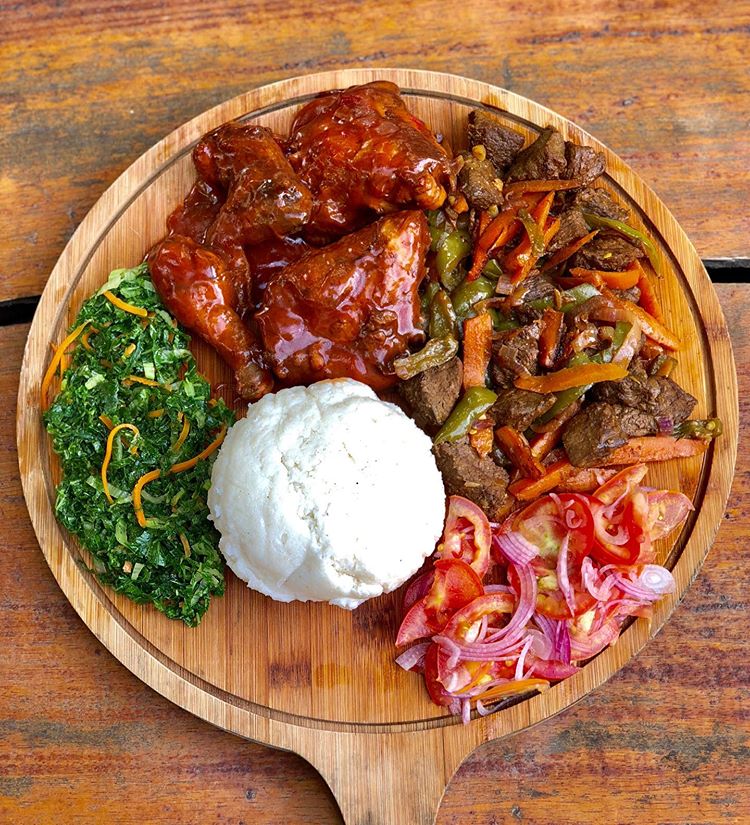
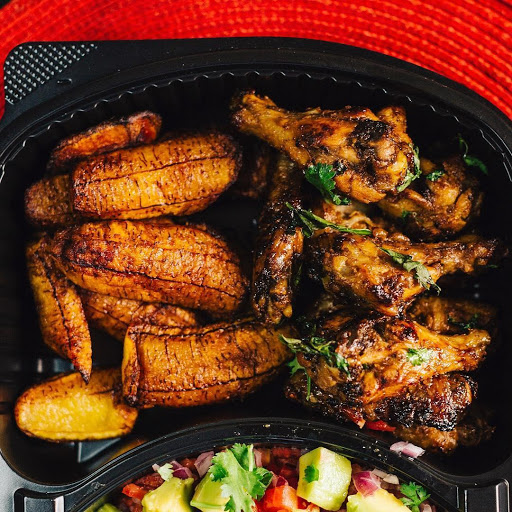
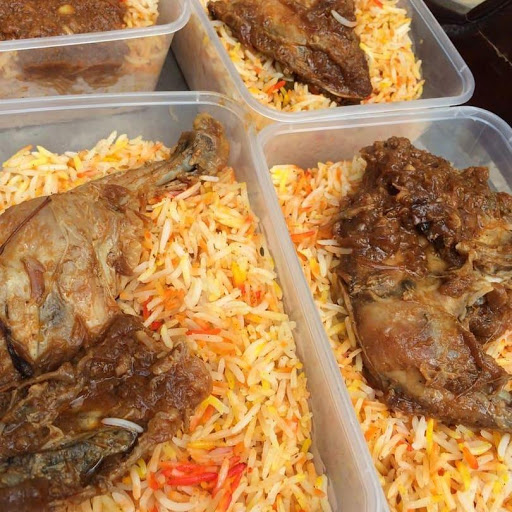
The menu comprised sumptuous, exquisite East Africa delights, including nyama choma, samosas, biriani, pilau, mandazi, fried fish, goat soup and sukumuwiki (Kale)

To wash these delicacies smoothly down was spiced East African tea with a touch of Zanzibari cloves and exotic spices. This provided a mix of sweet, sour, and spicy flavors that engaged the attendees taste buds.

The Swahili Night goes back to the early 2000s. Guests came from a range of states in the US including Florida, New York, Virginia, the Federal Capitol Washington DC and Virginia

Nationalities represented included Tanzanians, Kenyans, Ugandans, Congolese and Americans. The events was headlined by famous Tanzanian rappers Ibrahim Mussa aka Roma Mkatoliki and David Mlelwa aka Young Dee.

According to the MC Shomari, Swahili Night is important because of its centrality in preserving the cultural identity of East Africans. It reinforces the strong cultural heritage among East Africans in the diaspora while transferring cultural norms, mores and traditions to the younger generation of East Africans born in the USA

Swahili night also affords East Africans a platforms in the US to assert their presence in a political environment that can become xenophobic and unwelcoming to foreigners. Mr Shomari said: “Swahili Night provides networking opportunities for East Africans to connect with each other over food, music and camaraderie.”

With the current tensions between Nairobi and Dodoma over the deportation and detention of Kenyans attempting to attend the trial of opposition leader Tundu Lissu, Swahili Night affords the diaspora community of East Africans a chance to come together in a unity, solidarity and consanguinity

The Tanzanian rappers freely mingled with guests. The air was filled with a varied tone of voices enjoying the evening in conversation, laughter and exaltation as attendees danced to the pulsating music rolling off the discs of Dj Benny’s system.

Carol, a Kenyan in Maryland, who attended the event said: “This event is an important part of the annual calendar for East Africans. It is must-attend social jamboree that brings together a mosaic of nationalities, cultures and races”

Ogum from Uganda said, “Im glad to see we had matooke on the menu. The Spices used are Zanzibari, which gives the matooke a flavor a bit different from what i am used in kampala. I liked it though”

Most attendees shied away from discussing the political firestorm that was occurring 8000 miles away in both Kenya and Tanzania over deportations and detentions of Kenyan activists and legal literati.

However, Edward Mariga from Kenya was bullish in his opinion of the deportations arguing the suluhu administration had panicked and acted in an overhanded manner. Something not good for the East Africans Community He stated that i am disappointed with the treatment of Martha Karua and former Cj Willy Mutunga. Their Deportation from Tanzania for simply wanting to attend the trial of a major Tanzanian political figure is unnecessary and undiplomatic

This meeting of East Africa diaspora created a forum for East Africans to network, socialize and build human to human contacts which enhances the warmth, Africanness and unity of being East Africans in the diaspora

The Soundtrack of Tanzania: A Musical Experience Spread Over A Period of 15 Years Filled With Concerts and Music Festivals

By Anne Tendwa

In the past 15 years, Tanzania has undergone a paradigm shift, one that has seen this nation full of musical prospects metamorphosize into one that hosts numerous concerts and music festivals overflowing with beats around the beautiful country. From the white sandy beaches of Zanzibar to the lively urban center of Dar es Salaam, the music of this African region has transformed into a rich tapestry of culture and exuberance.

This was 15 years back; I remember Tanzania music as a rich diverse game that was and still is, a well- kept secret. Today, it is like there is a never-ending stream of music festivals in the country that can be resourcefully termed as – ‘press play. The emergence of Bongo Flava, a genre that incorporates hip hop with traditional Tanzanian music, has won the hearts of many. Stars like Diamond Platnumz and Vanessa Mdee have become a global phenomenon and not just in Africa which has helped promote the music of Tanzania in the world.

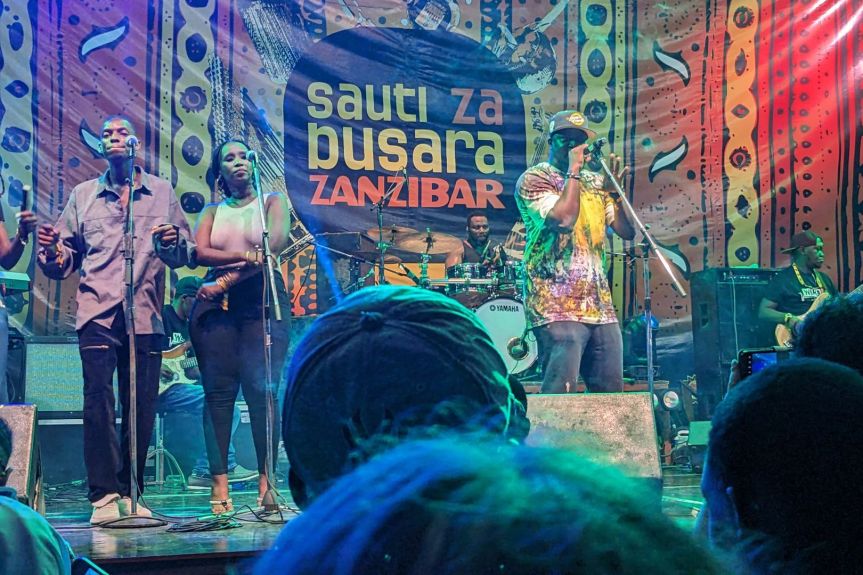
The music festivals in Tanzania take place for the sake of people; they are people’s enjoyment and participation events. Take Sauti za Busara festival in Zanzibar. An African Music Showcase Festival held annually; the event attracts thousands of revelers from every nook and cranny of the world. Imagine this: Picture the sun glimmering above the blue Indian ocean, the sound of drums in the distance accompanied with soft warm winds and images of people dressed in traditional clothes dancing to the music. It is a treat to the eyes and ears but that is just one indication of how exactly such celebrations have turned out to be a stew of many cultures.

The Nyama Choma Festival is an experience of rhythm-satisfying appétit and music in dappled dining, celebrating the time-honored Tanzanian culinary art of grilled meat with live performances. Who knew that chomping grilled meat down with rhythm could be this much soothing? This is culinary art combining with musical prowess to create an environment whereby even the shyest of souls find themselves dancing uninhibitedly.

Among the most exciting facets of the emerging music scene in Tanzania is its support for nurturing new talent. Many music awards, such as the Tanzania Music Awards, are often used almost exclusively as launch pads for new artists. However, these festivals also provide a platform for fresh faces who love music in addition to established stars. This has been an excellent vehicle for local talent to shine and audiences to identify a real future star before they take center stage in the wider world of music.

All of a sudden, the opening up of digital platforms means that the reach of impressively structured music by artists can now cross the globe. Local acts enjoy the chance to gain rapid popularity, thanks to overnight hits on social media. This democratized music means that anyone with a little bit of imagination and a true driving passion can achieve their dreams.

Certainly, this journey has not gone without its ups and downs. The pandemic blew the music industry backward, with concerts and festivals coming to a halt in 2020. But it is the very fiber of Tanzanian culture that has prevailed in such dry eras. Online concerts and performances were rendered a better option to keep the show rolling from the confines of one’s living room.

The future conditions for concerts and music festivals in Tanzania seem to be shining ahead and brighter. There looks to be much more interest in the local music and preservation of the place’s heritage, so the ensuing decade seems to promise great joy.

Disappointments of paywalls in dating apps.

By Edna Deus

Connection between people in today’s world happens mostly in the digital form. With rapid increase of different social media apps and use of emails, the world has become easier for people to meet without going outside. This has led to the rise of dating apps which has made it easier to find relationships whether platonic or romantic. However, creating a profile and swiping through potential matches brings you to the realization that payments are needed to engage with someone.
This revelation leaves you with disillusionment and disappointment.

From Tinder to Bumble and niche platforms as eHarmony, the mechanism of requiring payment just after luring in users with the promise of free access to the app or website kills all motivation
of continuing with the apps. When you download dating apps most of them are advertised as free and this prompts many to take a chance. After creating a profile, swiping, liking and messaging it
seems to feel as the best deal. This is until the limitations of your “free” membership shatters all hope of using dating apps unless you’re willing to pay for packages that are offered.

Before we dig deeper on the payment matter, we cannot neglect that dating apps have helped make connection between many people. Many relationships whether platonic or romantic have been able
to happen because of these platforms. Some of these people if asked can even say it’s worth the payments for the subscription if it would lead to a successful relationship on their end. But that’s just it, paying for the apps is still not a full proof plan because you never know if it will fail or not.

Monetization of apps is not unique in any way and so the matter is not necessary about the money but the shift of expectations. The whole process of signing for a dating app is for the hope of
meeting someone and this changes to being cornered to pay to secure your future in romance. This changes the meaningfulness of being in a genuine relationship. And subscribing does not mean that you may get your soulmate. A lot has happened in dating apps such as scams, catfishing,
ghosting and many more. This makes you wonder what if you do pay for the app but get
disappointed with it, just making you lose money for a bad experience.

Not all dating apps are deceitful though. Some show you their offers from the beginning, about what you get when you download the app and what features are supposed to be paid for. This makes it easier to know what you are walking into without being manipulated for an experience.
Yet the trend for monetizing romantic connections remains widespread, making many people distrust the process. And for those who refuse to pay, their options become very limited. They are
forced to spend time swiping and hoping to get a match and, in the end, leading to abandon the
app altogether.

The act of bringing up subscriptions while a user has no idea that the “free” part of the dating app is only for making a profile is very harsh. It shows that the deceit done by owners of these platforms
is due to their greediness. It feels like they trapped you when you sign up to meet someone but are given a choice to either pay or delete your profile. The thought of letting go your process that you
have done until that moment feels heavy, making you to start wondering if paying is the best option
to meet someone.

Either way, being let down by paywalls in dating apps goes beyond the cost itself. It’s about the realization that even when finding love, money comes first. This depresses many to discover that
the easier way to find a relationship involves a price tag. Dating should feel natural, but when you must pay to talk to someone, it starts to feel fake. And this takes the joy out of it. The disappointment lies there with commercialized structure of modern online dating.

FOOD FOR THE SOUL

Food Break


by Vanessa Mwingira

DAR’S 5 UPCOMING FOOD JOINTS.

Food! The one thing that we all love in common. From chips and chicken to the local cuisine of pilau and biriani, this article is aimed for the food lovers who would love to explore the food joints in the beautiful city of Dar es Salaam.

  1. Mamboz Grill/Restaurant
unnamed (5).jpg
unnamed (6).jpg

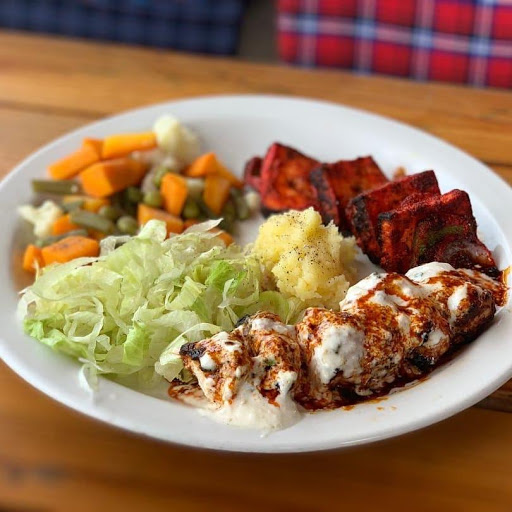
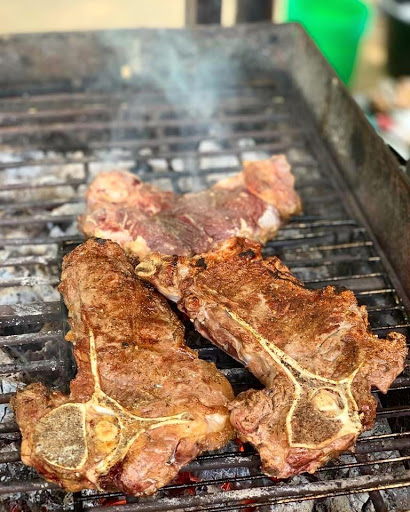
To all the barbeque lovers, Mamboz Restaurant is the place to satisfy all your bbq cravings.  The restaurant has various branches around dar es salaam, such as Mamboz Masaki and Mamboz SinzGrill, offering local bbq (nyama choma) and spicy indian cuisine such as chicken tikka gajjar. 

Pictures from mamboz instagram

2.Batapoint

unnamed (8).jpg
unnamed (7).jpg

This is a fast food restaurant in Dar es Salaam that has an extensive pallete of food to satisfy your soul. The place offers a combination of various food such as barbequed sausage, beef, chips, mishkakis and fried eggs in one platter. The customer can decide whatever combination of food that they want.

Pictures from Batapoint instagram

3.Chefkile

unnamed (9).jpg
unnamed (10).jpg

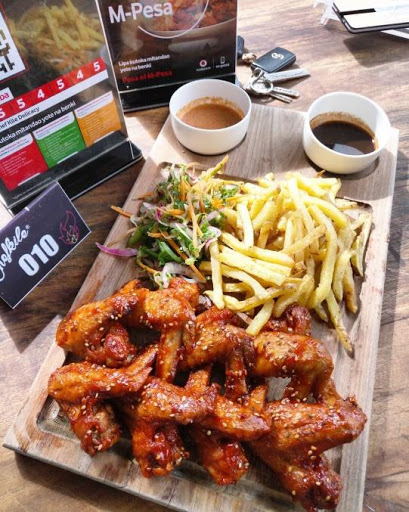
Chefkile is a BBQ delicacy restaurant where you can find the most delicious chicken wings, T. bone platter, smooked beef and butter garlic chicken among other things found in the outstanding menu. It’s a fresh new joint located in Mbezi beach open to all food lovers.

Pictures from Chefkile instagram

4. Neeko Foods

unnamed (11).jpg
unnamed (12).jpg

Online food service is on the rise in Dar es Salaam. With online food joints such as Neeko foods, customers can purchase food online through the weekly menu provided. 

Neeko foods provide local crafted, unique and attractive meal boxes.

pictures from Neeko foods instagram

5.Mudi Mabiriani

unnamed (13).jpg

Fridays are no longer dull in Dar. Get yourself some delicious biriani from Mudi Mabiriani for a fair price. There are a variety of biriani available such as chicken biriani and beef biriani. They are located in Dar es Salaam, Sinza mori. pictures from Mudi Mabiriani instagram

Spotlight on Tanzanian Cinema:

Spotlight on Tanzanian Cinema: A Growing Industry with Local Talent
The Tanzanian film industry is undergoing a renaissance, with a surge in local talent
and productions making waves both locally and internationally. From gripping dramas to
heartwarming comedies, Tanzanian filmmakers are showcasing the rich cultural
tapestry of the country and captivating audiences around the world.
One recent success story is “Vuta Ni Kuvute” also known as Tug of War by Amil Shivji,
a film that has captured the hearts of audiences with its engaging storyline and powerful
performances. The film, which explores themes of love, family, and tradition, has
received critical acclaim and has been internationally and locally awarded. The movie is
currently Tanzania’s official submission to the 95 th Academy awards.
Another film that has garnered international attention is “Binti” directed by Seko Shamte
and co-produced by the director herself with Angela Ruhinda and Alinda Ruhinda. The
film tells the story of four Tanzanian women who are unknowingly connected through
their ability to perservere extreme hardships in the city. The movie is now available on
Netflix. Its inclusion on Netflix has helped to showcase Tanzanian cinema to a global
audience.
Despite these successes, the Tanzanian film industry still faces challenges, including
limited funding, infrastructure, and distribution channels. Many filmmakers struggle to
secure financing for their projects, and the lack of locations makes it difficult.
However, despite these challenges, Tanzanian filmmakers remain undeterred, using
their creativity and passion to overcome obstacles and bring their stories to life. Local
film festivals such as Zanzibar International Film Festival (ZIFF) provide a platform for
filmmakers to showcase their work and connect with industry professionals, helping to
foster a vibrant and growing film community in Tanzania.
As the Tanzanian film industry continues to grow, it is clear that its future is bright. With
a wealth of talent and a rich cultural heritage to draw from, Tanzanian filmmakers are
poised to make an even bigger impact on the global stage in the years to come.

Exploring Identity and Culture: Vanessa Mwingira’s‘Brothas and Locs’ Photography Exhibition.

Dreadlocks, often referred to simply as ‘locs,’ are more than just a hairstyle to some people; they are a powerful form of self-expression and cultural identity. With this in mind, photographer Vanessa Mwingira presents a visual narrative of work which she was working on recently while doing her residency at Nafasi Art Space. Featuring seven works displaying men with locs, Brothas and locs, shows the relationship between individuals and their locs. Vanessa famously known as Punkandblack in her socials said in her statement that she invites the audience to see beyond the surface and discover the rich stories and identities that lie within each portrait.

“Through this ongoing project, I aim to amplify the stories of those whose hair is a defining element of their identity”; she wrote this in her statement explaining why she chose this specific subject. I asked why she chose men and not women with locs and she said, “I have worked with a lot of women so I decided to include men this time around in my work to show some diversity”. With the beautiful photographs that she exhibited, I can say with confidence that this project is among the best of her works. 

While in university in 2015, Vanessa fell in love with photography but her journey as a professional photographer began in 2016, driven by a desire to express her views of the world and the need to celebrate diversity. From the beginning, her work has been characterized by a commitment to portraying people of color authentically and compassionately. Through her lens, she captures identity, culture and the strength of her characters offering viewers beauty from her point of view. 

In the world of photography, we see many different types of artists that capture and share their stories that affects deeply with the audience. Vanessa Mwingira stands tall among these visionaries; her lens focused not just on subjects, but on stories particularly those of people of color. Established in editorial, portrait and documentary photography, Vanessa has forged herself a place in the world of photography by elevating the voices and experiences of her community through her captivating images.

Vanessa is driven by a desire to challenge conventional narratives and celebrate diversity. From the outset, her work has been characterized by a commitment to portraying people of color authentically and compassionately. Through her lens, she captures the nuances of identity, culture, and resilience, offering viewers a glimpse into the rich tapestry of human experience.

Over the years, Vanessa’s talent and dedication has attracted attention from individuals and different organizations and companies. Some of them are such as CARE international, Endelea fashion brand, International Finance Corporation and Annabelle Magazine. She has also worked with many private individuals from models to family portraits. On top of that, some of her work has been featured in publications such as VSCO, AFROPUNK and teen vogue to name a few securing her reputation as a force to be reckoned with in the world of photography.

C:\Users\honey\Downloads\_MG_8276.jpg

With all her achievements, Vanessa has still been able to engage herself in different communities that share her vision and passion of what she does with photography. Such communities are African Women in Photography, the African Photojournalism Database and Everyday Africa where she actively collaborates and learns from fellow artists. Through these communities she has been able to share her visions with others who want to know more about different matters in her photography work.

The exhibition, Brothas and Locs has not seen its end. Another second edition of photos will come later on in the upcoming months. “Since this time around I used a backdrop for my photos, that I made by myself by the way, the next photos I still haven’t figured out if I will use the same method or not”, said Vanessa when asked about what is next for her. 

Vanessa’s journey as a photographer is really amazing and that she gets to share her experiences with the world is a gift itself. As she continues to capture more stories with her lens, we as the viewers continue to learn and know more about our community. She is an example of female photographers who set their minds on something and go for it until it works out.

By Edna

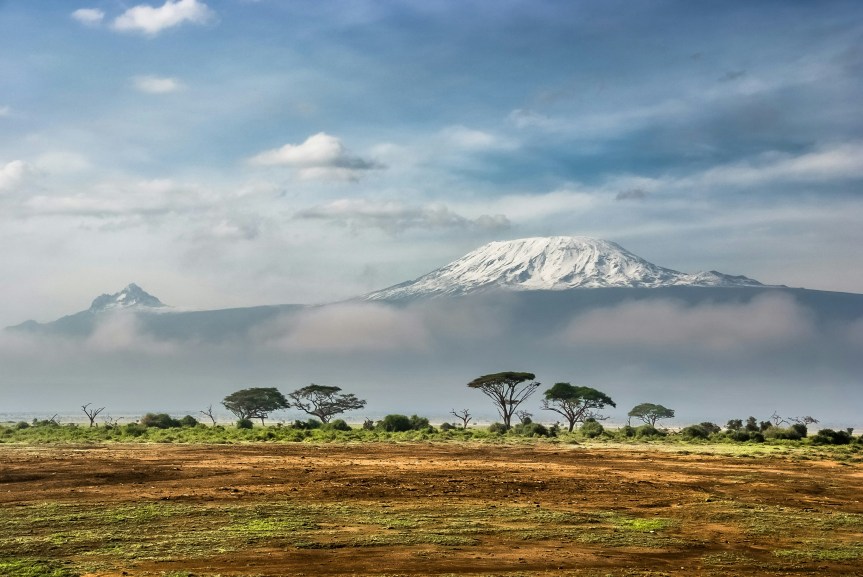
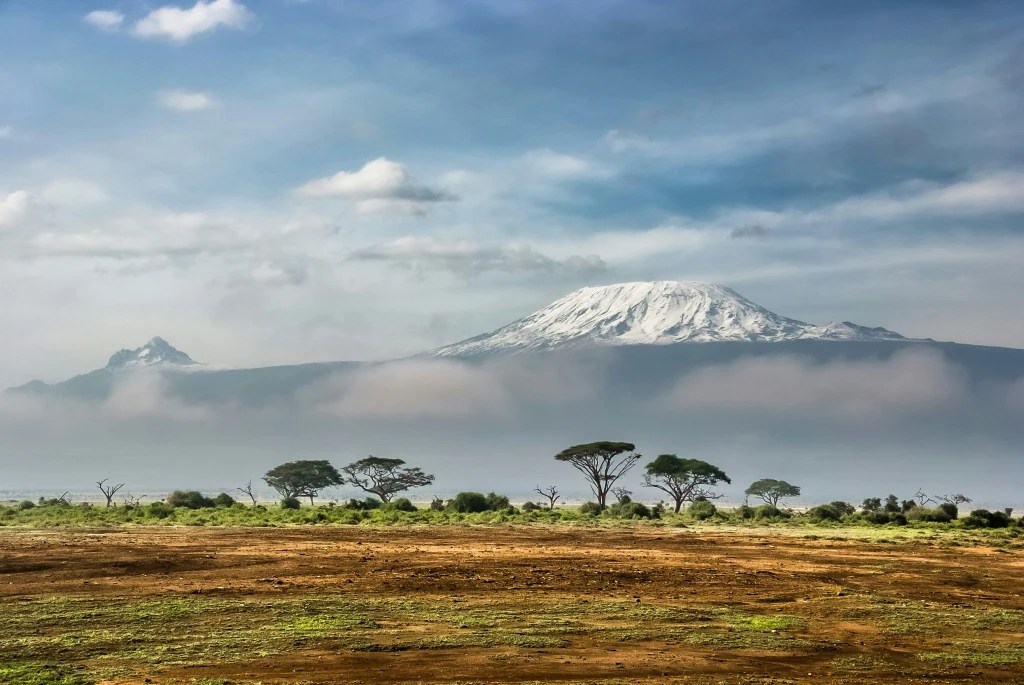
Conquering Kilimanjaro: A Journey to the roof of Africa

Nestled in the heart of East Africa, Tanzania is a land of stunning landscapes and

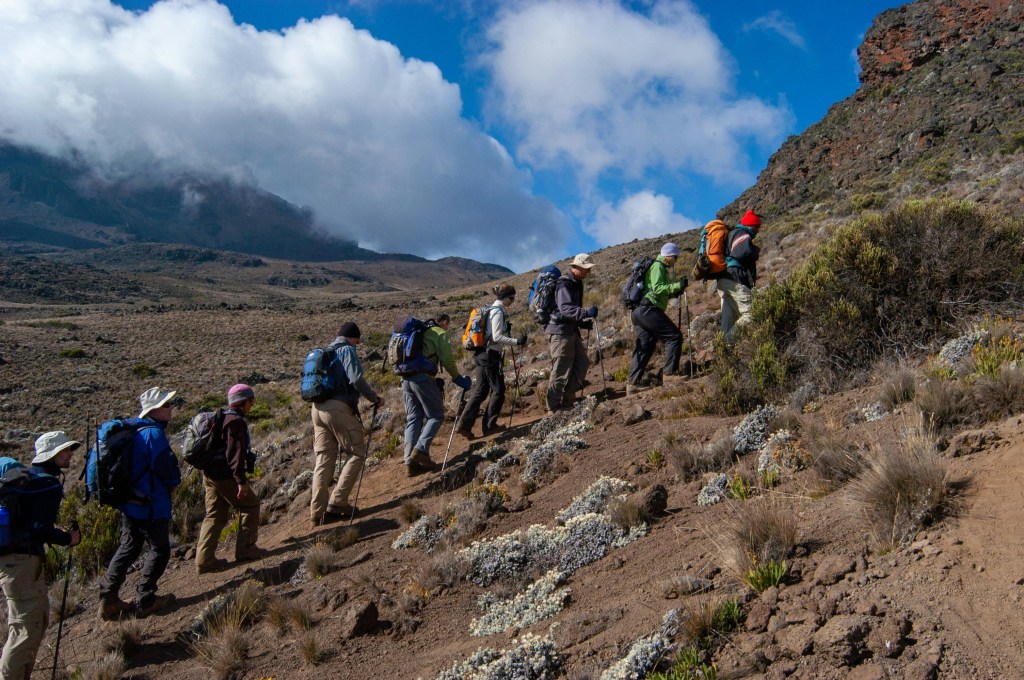
diverse cultures. One of its most iconic landmarks is Mount Kilimanjaro, the highest

peak in Africa and the tallest freestanding mountain in the world. Climbing Kilimanjaro is

a bucket-list adventure for many, offering a challenging yet rewarding experience that

showcases the natural beauty of Tanzania.

The Adventure Begins

For those seeking a taste of adventure and a glimpse into the natural wonders of

Tanzania, climbing Mount Kilimanjaro is an experience like no other. The journey begins

in the town of Moshi, located at the foothills of the mountain. Here, climbers gather their

gear, meet their guides, and prepare for the trek ahead.

mount kilimanjaro

The Route to the Summit

There are several routes to choose from when climbing Kilimanjaro, each offering its

own unique challenges and scenic views. The most popular route is the Marangu

Route, known as the "Coca-Cola Route" due to the availability of soft drinks along the

way. This route is favored for its relatively gentle slopes and comfortable sleeping huts.

Another popular route is the Machame Route, also known as the "Whiskey Route" for its

more challenging terrain. This route is known for its stunning scenery, including lush

rainforests, alpine meadows, and dramatic landscapes.

A Test of Endurance

Climbing Mount Kilimanjaro is a test of physical and mental endurance, requiring

climbers to acclimatize to the altitude as they ascend. The higher you climb, the thinner

the air becomes, making each step more challenging than the last. However, with the

help of experienced guides and a slow and steady pace, most climbers can reach the

summit successfully.

A View from the Top

Reaching the summit of Mount Kilimanjaro is an unforgettable experience. Standing at

Uhuru Peak, the highest point on the mountain, climbers are rewarded with panoramic

views of the surrounding plains and distant peaks. The sense of accomplishment and

awe-inspiring beauty of the landscape make the journey to the top well worth the effort.

Words from Those Who Have Conquered Kilimanjaro

"I have climbed Mount Kilimanjaro twice, and each time has been a truly transformative

experience. The beauty of the mountain and the warmth of the Tanzanian people make

it a journey I will never forget." – Sarah, United States

"Reaching the summit of Kilimanjaro was one of the most challenging and rewarding

experiences of my life. The sense of accomplishment and the stunning views made

every step of the journey worth it." – Filbert, Tanzania

Conclusion

Climbing Mount Kilimanjaro is not just a physical challenge; it is a journey of self-

discovery and a chance to experience the beauty of Tanzania in a unique way. Whether

you are an experienced climber or a novice adventurer, Kilimanjaro offers an

unforgettable experience that will stay with you long after you have descended from its

snowy peak. So, lace up your boots, pack your sense of adventure, and embark on a

journey to the roof of Africa.

By Vanessa Mwingira

Women strength: winnowing 300 Kgs a day for $ 10, yet able to own a house!

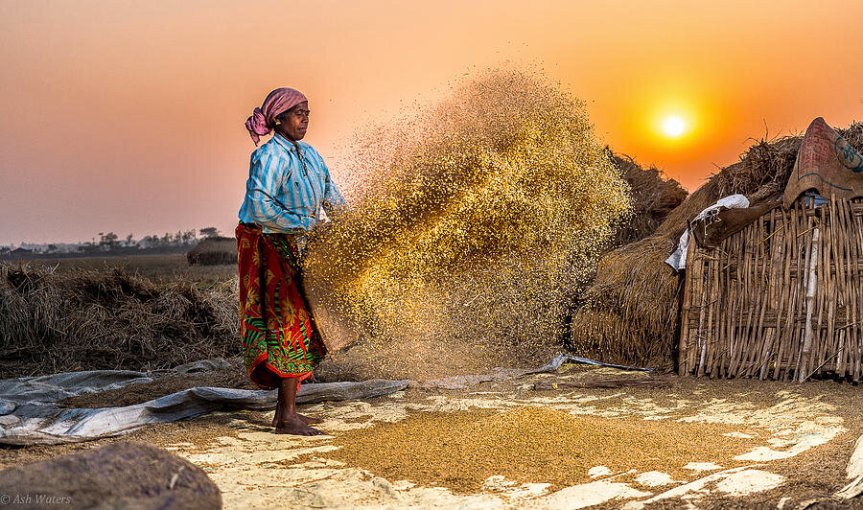
Winnowing is the process of separating the heavier components from the lighter components of a mixture by wind or by blowing air using a winnowing basket.

There may be the official denial of the current drop economic status in Tanzania but the citizens’ recitation of ‘Maisha magumu’ referred to ‘life is hard’ is unquestionable. However; while the majority of people are completely stuck; complain and wondering how they will cope with the president Magufuli slogan of hapa kazi tu effects, others spend the same 24 hours a day blessing, to figure-out and work on all the opportunities that show up. In a country like Tanzania it is hard to imagine if winnowing could make a living as a reliable job, because it is a must have kitchen equipment to every household in the country, thus no one can real hire an individual for that task…but it is happening.

image2.jpg

What is winnowing?

Winnowing is the process of separating the heavier components from the lighter components of a mixture by wind or by blowing air using a winnowing basket. It is essential to separate them in order to obtain clean grains that can be used in the eating purpose. Winnowing is widely used in almost every house in Tanzania especially when dealing with grain and all types of cereals.

Mama Leah is a resident of Kimara in Dar es Salaam. She and her husband have involved in cereal business for 8 years now. They order several sacks of rice and beans from the farmers at Temeke by a wholesale price and sell to individual customers by a retail price at Kisutu market. Explaining their experience in the business, Mama Leah said persistence is the only capital that they hold on to, to become who they are today.

15293349_yllYeNoaRh0oUcrz8PS82yohs0nicqKNBZUuI0z6R4k.jpg

“The money flow that was familiar before our eyes has disappeared long time ago and there is no hope without persistence. The profit we make does not equate the value of life we are living…but we cannot stop. She said. Despite of facing several challenges Mama Leah and her husband were able to build a 3 bedrooms house and pay their 2 children’s school fees in less than 8 years. Nevertheless, Mama Leah revealed that in the recent years, the main business has gone down and that many of them have invested their time doing the uncomfortable activities like winnowing. Found her in the middle of winnowing; she revealed to the magazine that, it was not from her shop rather she is doing a part time. “This beans sack contains 100 Kgs, and I do it for a fellow vendor (because we have no customers during holidays like this refers to Eid el Fitr and I am idle) who pays me 8000/- per a sack. There is a good number of fellow women as you can see who make their living out of this senseless job, and the maximum we do in a day is 300 Kgs of winnowing either beans or rice. It is a hard work but it pays off if you persevere”. She lamented. Furthermore Mama Leah said almost all the fellow vendors about 50 of them; participate in a marry-go-round play popularly known as upatu, which motivates them to work even harder because each one of them is required to pay 5000/- everyday. After one week, one person receives 1,750,000/- and the process continues. The entire Kisutu vendors have shifted their businesses following the market renovation and Mwendokasi construction, something that has affected their selling out of losing many customers.

By Khadija Amri

Swahili Wood Décor

Swahili wood décor is a company that deals with interior and exterior designing of anything that involves woodwork. It was founded in December 2018 and is owned by Emmanuel Samuel.

Swahili wood decor is a company that deals with interior and exterior designing of anything that involves woodwork. It was founded in December 2018 and is owned by Emmanuel Samuel. He was still a student when he began this line of work and now it has grown into a very well-known company.

In the beginning Swahili wood décor did not have a specific space for work and so they were mainly found through social media. That did not last for long because they now have headquarters in Mikocheni, Dar -Es -Salaam in Tanzania. 

This company was started to help people get there vision to become real on what they needed. Different carpentry skills are used to create items, furniture and even buildings just as the customer wants. The act of making these visions come true was so as to save the people time to go around in shopping malls and stores looking for what they need. With making wood into items the certainty of durability is higher than the ones being bought from malls. Swahili wood décor is famous in making lamps, chandeliers, mirrors, wall clocks and many others items.

49704151_540408333124761_2137181073723883520_n.jpg
49344880_540408376458090_5698813829559877632_n.jpg
49716238_540408403124754_4693425130175463424_n.jpg

In less than a year, the company was able to work on big projects in and out of Dar es Salaam. They worked in Kahama, Mwanza and also Geita. They designed different buildings using wood as their main material such as bars, shops and others. Furthermore, their biggest project was done in Dar es Salaam where they designed the Instanbul Turkish Restaurant outside of Mlimani City complex mall. The restaurant was done in perfection.

This New Year, Swahili wood décor has captured the interest of customers from other countries. As the saying goes “the first step towards getting somewhere is to decide you are not going to stay where you are”, and the step this company took was to spread its wings to other countries starting with South Africa. With all the achievements it has got this last year, we can’t wait to see more of their designs in many other different settings.

By Edna Deus